








Discover how Polaroid and Fujifilm Instax define today’s instant photography comeback and what to consider before you click the shutter.
The Return of Instant Photography
Here you’ll understand why instant photography is roaring back — blending nostalgia, creativity, and that tactile joy of holding an image seconds after it's taken.
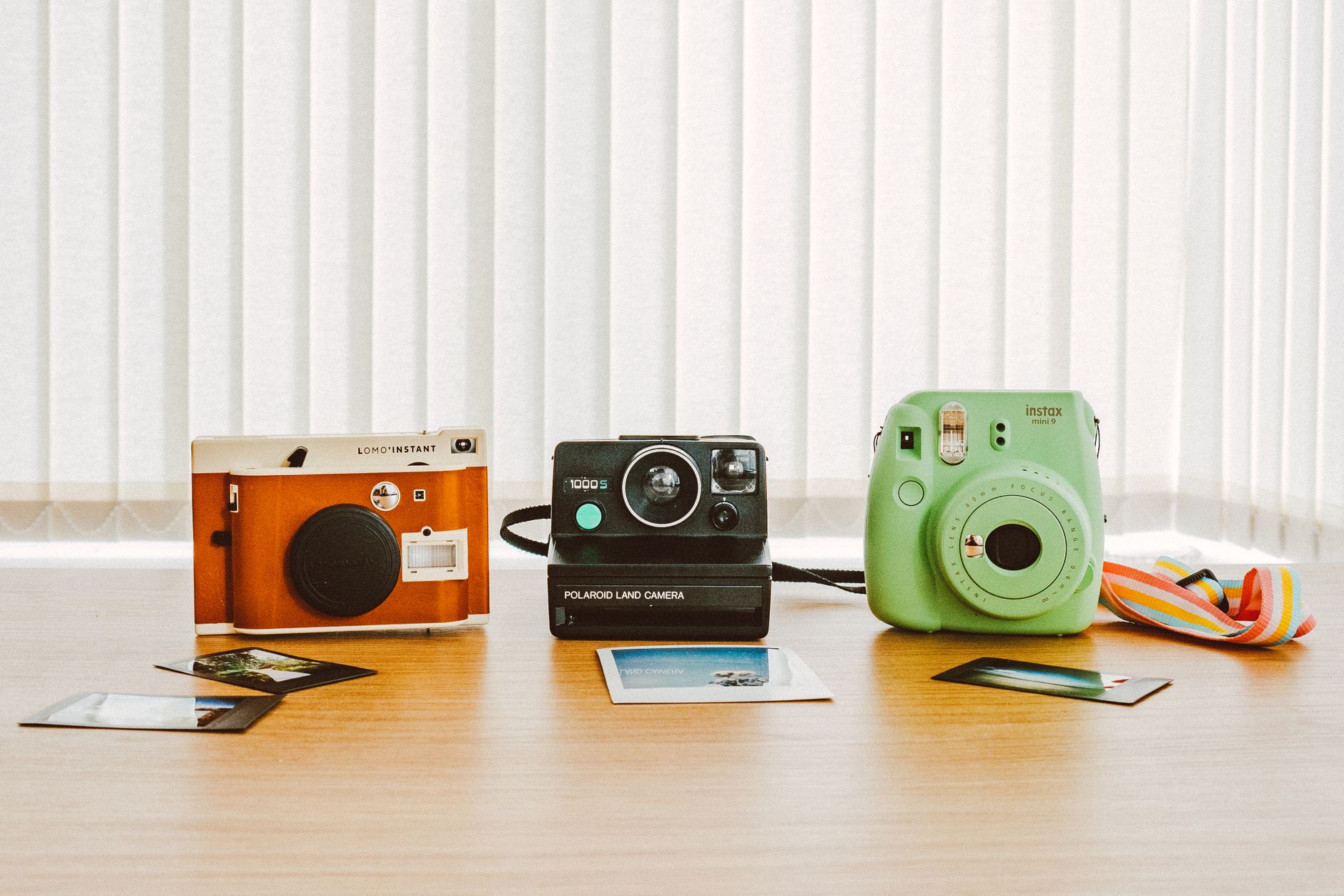
When Edwin Land introduced the first Polaroid camera in the late 1940s, it revolutionized how people captured memories. For decades, instant film symbolized freedom, creativity, and the pleasure of seeing moments materialize before one’s eyes. Then came the digital era — convenience took over, and the magic of waiting vanished.
Now, in our hyper-digital world, that sense of magic is returning. Young photographers, artists, and nostalgic collectors are reopening film packs, craving imperfection and texture. Watching a photo fade into existence still feels nothing short of cinematic.
I still remember watching my first Polaroid develop — a beach snapshot that emerged from misty gray to warm sunlit hues. That patience built anticipation, something our instant-scroll culture rarely offers today.
- Identify your “why”: creativity, nostalgia, or tangible storytelling.
- Research models before buying; each brand’s film delivers different results.
- Source pre-owned instant cameras to stay sustainable.
Polaroid vs. Fujifilm Instax: The Key Differences
This section compares format, tonality, usability, and overall feel between the two instant giants.
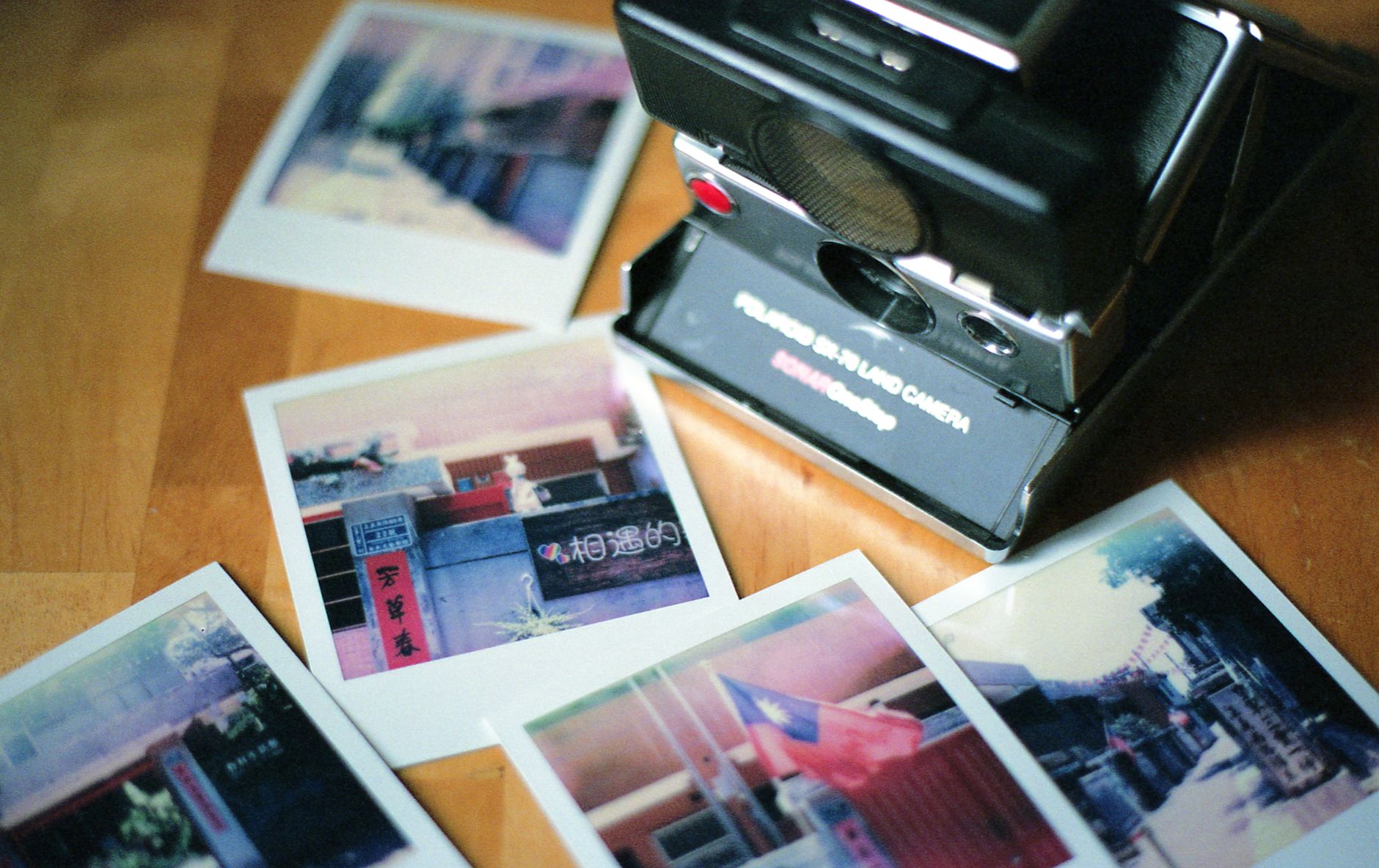
Place a Polaroid and an Instax photo side by side, and their personalities emerge immediately: Polaroid’s muted, artistic charm versus Instax’s bright, reliable polish. It’s less about competition and more about what mood you want to evoke.
| Name | Best for | ISO/Spec | Look/Result | Latitude/Usability | Notes |
|---|---|---|---|---|---|
| Polaroid Originals (i-Type, SX-70) | Artistic shoots, experimental tones | Approx. ISO 160 | Soft contrast, dreamy pastels | Manual exposure possible | Larger frame; slower developing |
| Fujifilm Instax Mini / Square / Wide | Casual, social, everyday photos | Approx. ISO 800 | Crisp colors, consistent brightness | Automatic exposure & flash | Compact and quick-developing |
Pros
- Polaroid: large frames encourage display-worthy prints.
- Instax: instant-speed development and affordability.
- Both inspire hands-on creativity and tangible keepsakes.
Cons
- Polaroid film can be temperamental with temperature and light.
- Instax’s smaller prints may feel limiting for artistic framing.
- Compare film dimensions carefully; larger doesn’t always mean better for travel.
- Look for manual exposure options if experimenting with lighting effects.
How to Care for Instant Film and Cameras
Learn essential care habits so your instant cameras and prints last decades, not just seasons.

Instant film is sensitive to heat, cold, and light. Keep unopened packs in a cool, dry environment — ideally refrigerated — but never frozen. Once loaded, shoot the pack within a few weeks for consistent color stability.
- Store film in cool, dry spaces (fridge, never freezer).
- Let photos develop on a flat surface — handle only after a minute or two.
- Clean rollers gently with a soft, lint-free cloth after every few packs.
- Replace batteries in classic Polaroid cameras with brand-compatible versions.
Once, I accidentally touched a still-developing print; a perfect handprint remained forever in the sky portion. Annoying then, but later it felt like art — a reminder that analog magic often thrives in its imperfections.
Creative Inspiration with Polaroid and Instax Shots
Dive into ways to turn your instant prints into keepsakes, décor, and creative storytelling tools.

The tactile nature of instant photos makes them perfect for art displays and emotional storytelling. Whether you’re building a travel wall, gifting friends, or combining digital and analog workflows, creativity flows from your fingertips — literally.
- Start a daily photo journal: one instant image, one caption.
- Design collages for cozy interiors or event decor.
- Blend instant prints with your digital albums for multi-format storytelling.
- Repurpose developed shots as thoughtful greeting cards or memory tags.
Once, I arranged my favorite Instax photos from a cross-country trip into a road-map collage. Visitors always paused, tracing the journey; it turned an ordinary wall into a living scrapbook.
Want to boost your setup? Visit our collection to find useful photography accessories for care and display ideas, or discover vintage and SLR film cameras to complement your toolkit.
Quick Decision
- Choose Polaroid if you love vintage charm, large square prints, and experimental color tones.
- Go with Fujifilm Instax Mini for quick, bright snapshots and easy sharing.
- Balance both: Polaroid for art projects, Instax for events and social fun.
- Always test a camera’s rollers before buying second-hand to ensure smooth film ejection.
FAQs
- Which is better: Polaroid or Fujifilm Instax?
- Polaroid delivers larger prints with artistic tones, while Instax offers smaller, vivid photos with reliable exposures. The right choice depends on how you want your memories to feel.
- Are Polaroid and Instax films interchangeable?
- No — each uses distinct film sizes and chemical formulas. Always match film to your camera model.
- How long do instant photos from Polaroid last?
- Stored away from sunlight and humidity, Polaroid prints can remain vibrant for decades.
- What accessories improve Fujifilm Instax photography?
- Try close-up lenses, neck straps, filters, or mini tripods to expand your creative range and stability.
Start Your Instant Adventure
Ready to start your instant adventure? Browse pre-owned Polaroid and Instax cameras now and find the one that fits your story.