








What Makes Vintage Portrait Lenses Special
This section explores how older optics add emotion and depth beyond pure sharpness—why imperfections sometimes make better portraits.
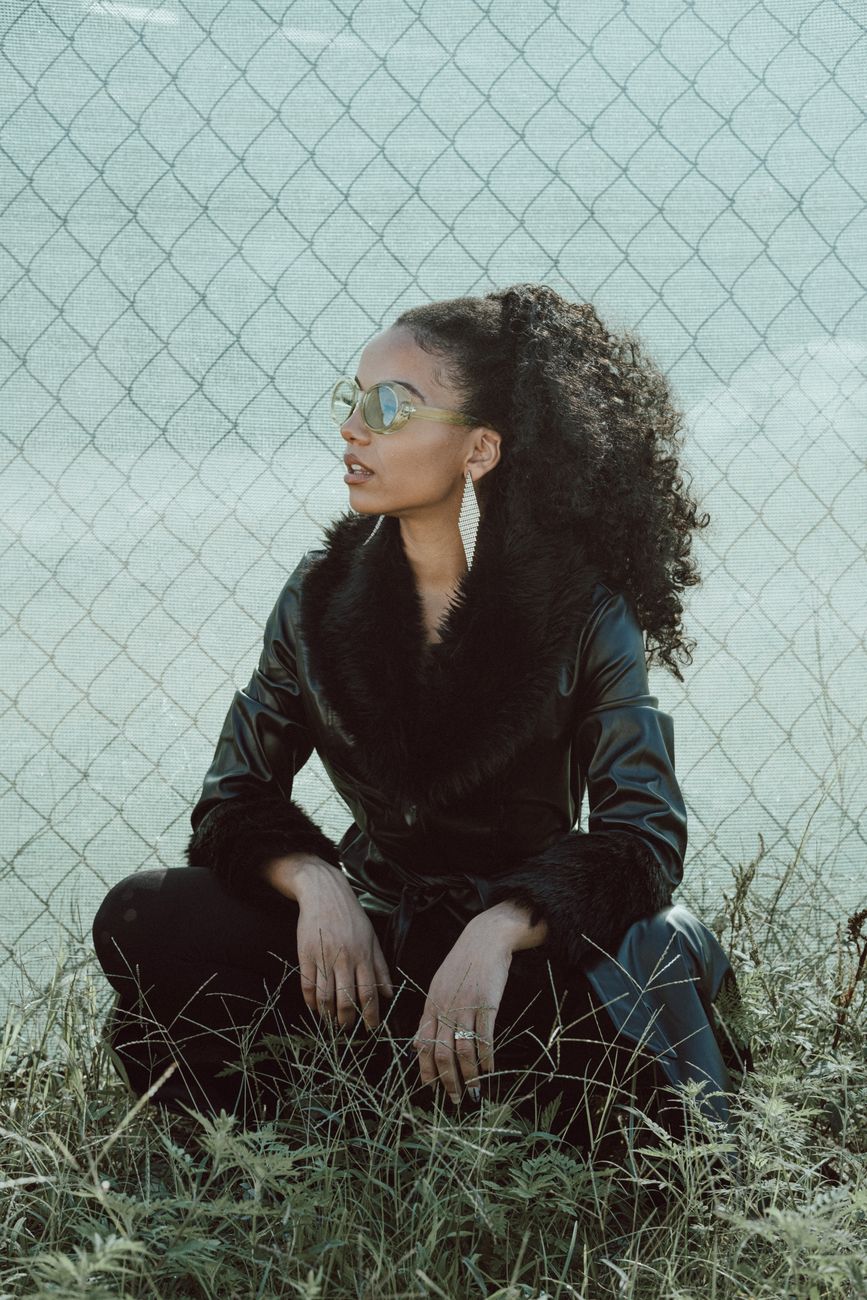
Many photographers discover the magic of vintage portrait lenses the moment they see how softly they render skin and light. Unlike modern “clinically sharp” lenses, classic optics like the Helios 44 or Zeiss Planar were designed with glass formulas and coatings that prioritize mood over mathematical precision.
When I first shot a portrait session using a 1970s Helios 44, I expected sharp results but got something entirely different — a swirl of creamy bokeh that made my subject glow against the background. That surprise convinced me that character can outshine perfection.
Pros
- Unique optical “character” with organic-looking blur.
- Soft rendering ideal for emotive, cinematic portraits.
- Affordable way to achieve distinctive results.
Cons
- Manual focus requires practice for moving subjects.
- Older coatings may introduce flare and color shifts.
- Inspect lens elements for haze or fungus before use.
- Test wide open to reveal character bokeh.
- Compare rendering between vintage and modern lenses in the same lighting.
When Modern Portrait Lenses Take the Lead
Learn where new technology wins: precision, speed, and control when every pixel matters.
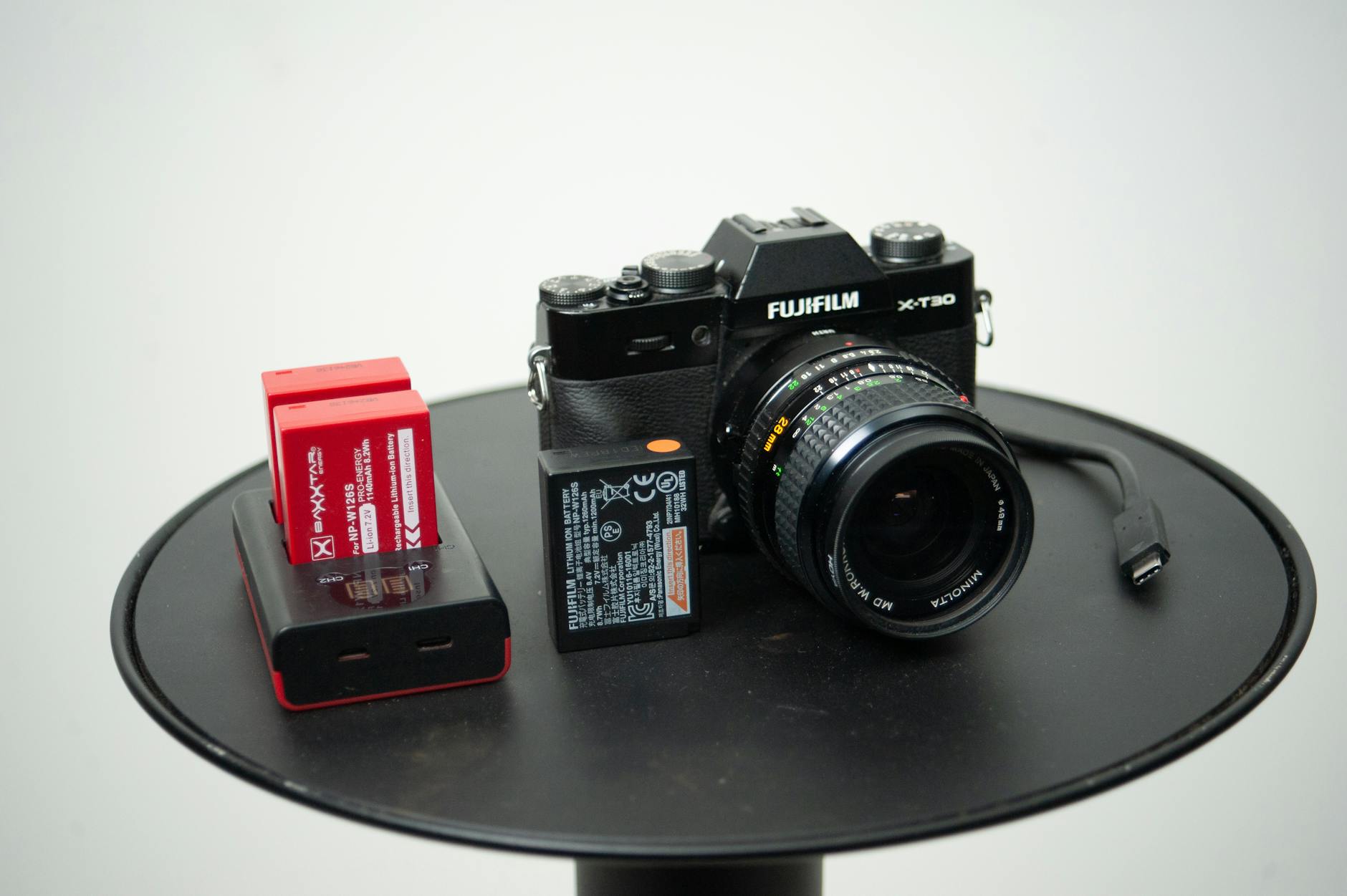
Modern 50mm and 85mm primes stand out for consistency. Their autofocus, edge-to-edge sharpness, and accurate color grading are unbeatable when clients expect flawless files. During a corporate shoot, I once tried a vintage Canon FD for its poetic flare—but constant focus retries cost valuable time. Switching back to a modern lens restored the pace and reliability the project needed.
Pros
- Accurate autofocus and image stabilization.
- Minimal chromatic aberration at wide apertures.
- Neutral color rendering ideal for studio workflows.
Cons
- Sometimes too “clean” for expressive portrait styles.
- Higher cost compared to reused vintage options.
- Verify autofocus accuracy before high-pressure shoots.
- Choose weather-sealed lenses for outdoor portraits.
| Name | Best For | Spec | Look / Result | Latitude / Usability | Notes |
|---|---|---|---|---|---|
| Helios 44 | Artistic, dreamy portraits | 58mm f/2 | Swirling bokeh, soft center focus | Manual only | Affordable entry into vintage look |
| Zeiss Planar | Timeless portrait work | 50mm f/1.4 | Balanced contrast, classic tones | Manual focus precision | Favored by analog purists |
| Modern 85mm Prime | Professional studio and outdoor headshots | f/1.4–1.8 | Crisp, neutral rendering | Autofocus, weather-sealed | Excellent for consistency |
Adapting and Maintaining Old Lenses for Today’s Cameras
Discover how to mount and care for vintage lenses so they sing on modern digital bodies.
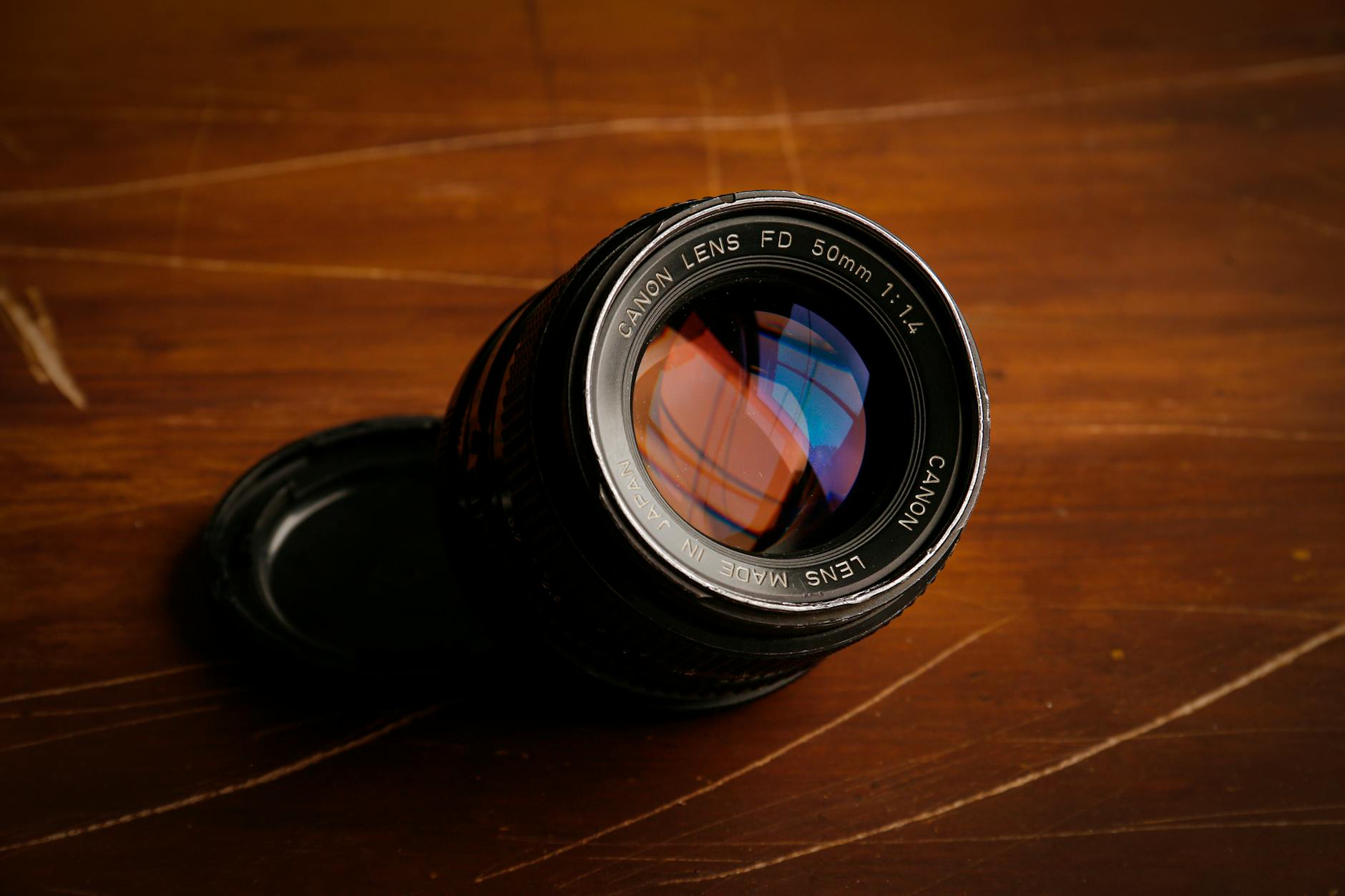
Adapters make the bridge between classic mounts and new systems stunningly simple. With the right gear, an M42 or Nikon AI-S lens feels right at home on mirrorless bodies from Sony or Fuji. This sustainable reuse means you can keep iconic craftsmanship alive without adding new manufacturing impact.
- Use a proper adapter to maintain infinity focus.
- Clean coatings gently—avoid solvents.
- Store lenses in a dry place to prevent fungus.
Adapting an older Canon FD lens to my mirrorless camera completely changed my workflow. Manual focus slowed me down—in a good way—forcing intention and connection with the subject. It reminded me that sustainability in photography isn’t just environmental—it’s creative discipline.
Explore ways to Discover photography accessories designed to complement your adapted setup.
Creative Portrait Ideas with Vintage Glass
This section shares artistic scenarios where old glass truly outshines high-tech optics.
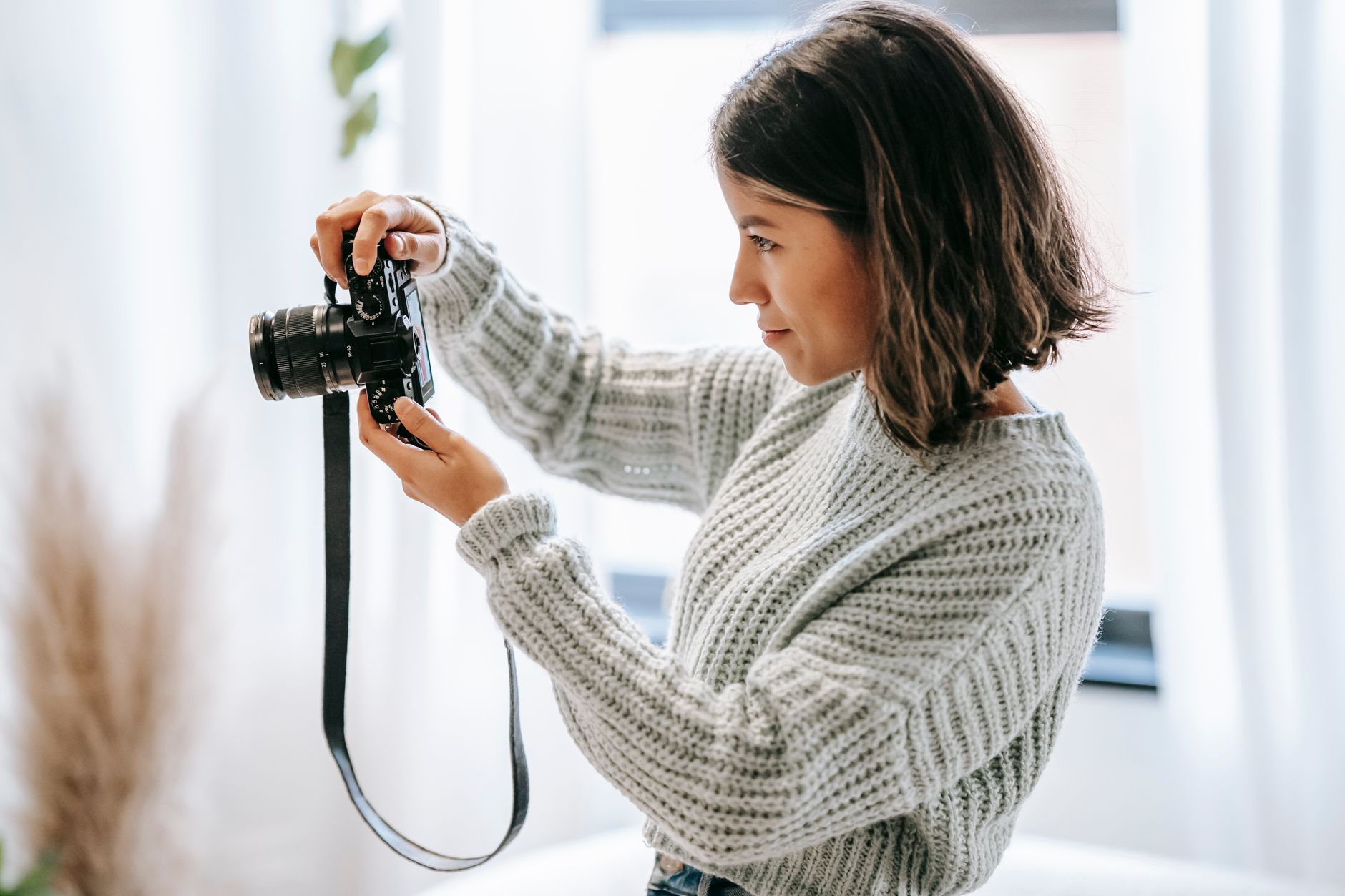
When creative mood outweighs technical expectations, retro portrait glass truly shines. Highlighting flare or swirly bokeh from a Helios 44 can make your subject feel enveloped by their environment—a poetic connection between light and identity.
- Shoot into the light to emphasize flares and glow.
- Open apertures wide to reveal each lens’s character.
- Try black and white portraits to amplify nostalgia.
I once captured a backlit portrait where golden flare curved like a brushstroke across the frame. No modern lens could have replicated that blend of imperfection and magic. Those unrepeatable quirks are what define each piece of classic glass.
Ready to experiment? Browse our collection of camera lenses and see how creative reuse can redefine your style.
Quick Decision: Old vs. Modern Portrait Gear
- Pick vintage lenses when you want mood, softness, or cinematic nostalgia.
- Pick modern lenses when accuracy and client-ready results matter most.
- Mix both styles for a hybrid workflow—use vintage for ambient portraits, modern for controlled sessions.
- Adapting old glass extends lens life and supports sustainable photography.
FAQs
- Why do vintage lenses create unique portrait looks?
- Because of their optical design and coatings, vintage lenses often produce softer contrast and distinctive bokeh that add depth and mood.
- When are modern portrait lenses a better choice?
- They outperform in settings requiring autofocus precision, consistent color, and crisp resolution—like commercial or studio shoots.
- How do old lens coatings affect bokeh?
- Earlier coatings diffuse light differently, creating flare and softer contrast that influence the shape and smoothness of background blur.
- Are vintage lenses worth buying for portraits?
- Yes, if you value creative character over perfect sharpness. They’re affordable, sustainable, and offer unmatched personality when cared for properly.
Start Experimenting with Character
Shop vintage portrait lenses and start experimenting today.
Bring new life to timeless equipment and reshape your portrait storytelling through sustainable craftsmanship.