



Learn exactly how professionals test an analog camera before resale—step by step, with the same internal checklist our technicians use daily.
Why Camera Testing Matters for Every Film Photographer
This section explains why professional testing is essential and how it protects your creative investment.
Film photography relies on mechanical precision. Every exposure counts, and a single fault can waste an entire roll. When you test an analog camera before shooting, you’re confirming that light, timing, and movement align perfectly — just as the photographer intended.
Skipping proper testing can lead to overlapping frames, inconsistent exposures, or dead meters that throw off every shot. For second-hand cameras, especially, a thorough inspection ensures you start shooting with confidence rather than troubleshooting on your first outing.
We once had a visitor bring in a thrift‑store SLR, excited to shoot their first roll. Unfortunately, the shutter curtains stuck halfway through the sequence, ruining half the frames. A routine pre-check would have caught the dried lubricant right away.
Our Step-by-Step Analog Camera Testing Checklist
This section walks through each stage of our internal inspection—exactly what we do before any camera enters the sales shelf.
- ☑ Inspect camera body and viewfinder for damage or debris.
- ☑ Dry-fire shutter at varying speeds; listen for irregularity.
- ☑ Compare light meter readings against a handheld meter.
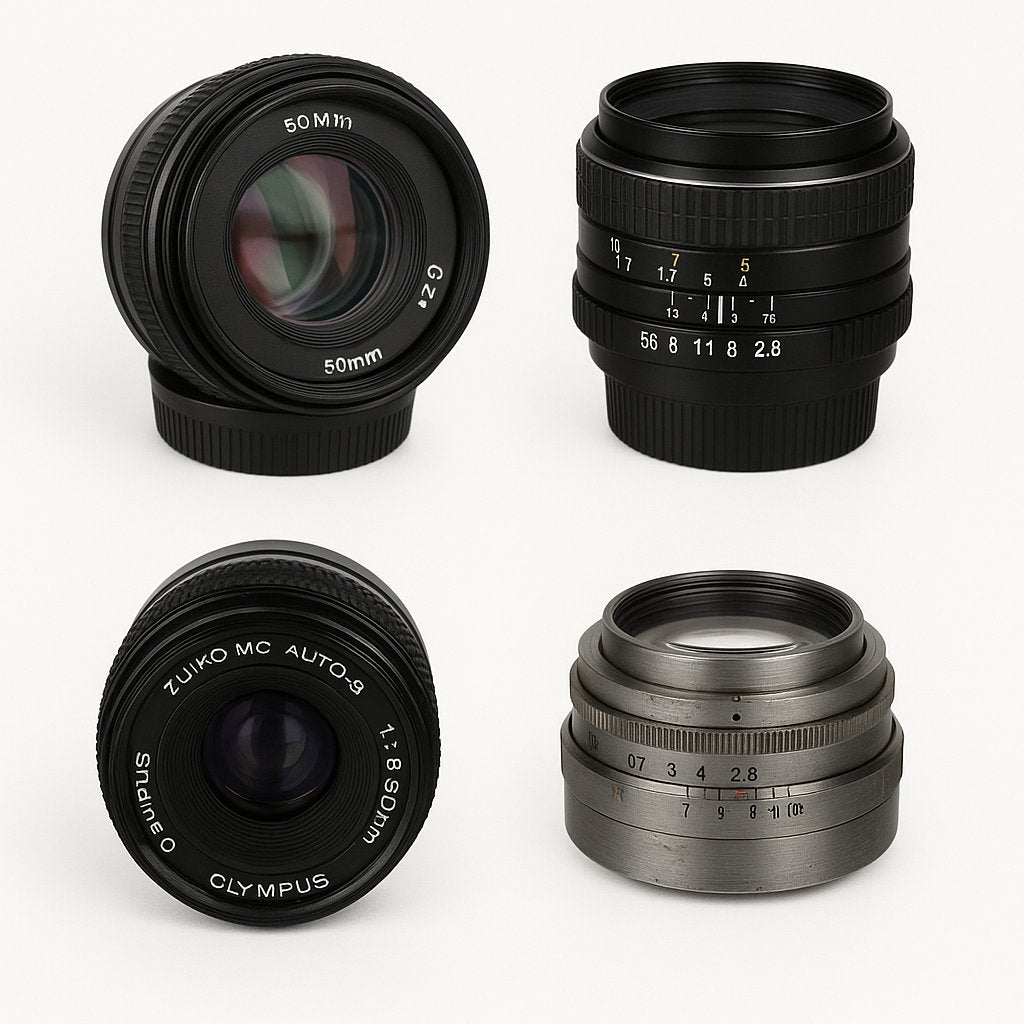
- ☑ Examine lens elements for dust, haze, fungus, or oil on blades.
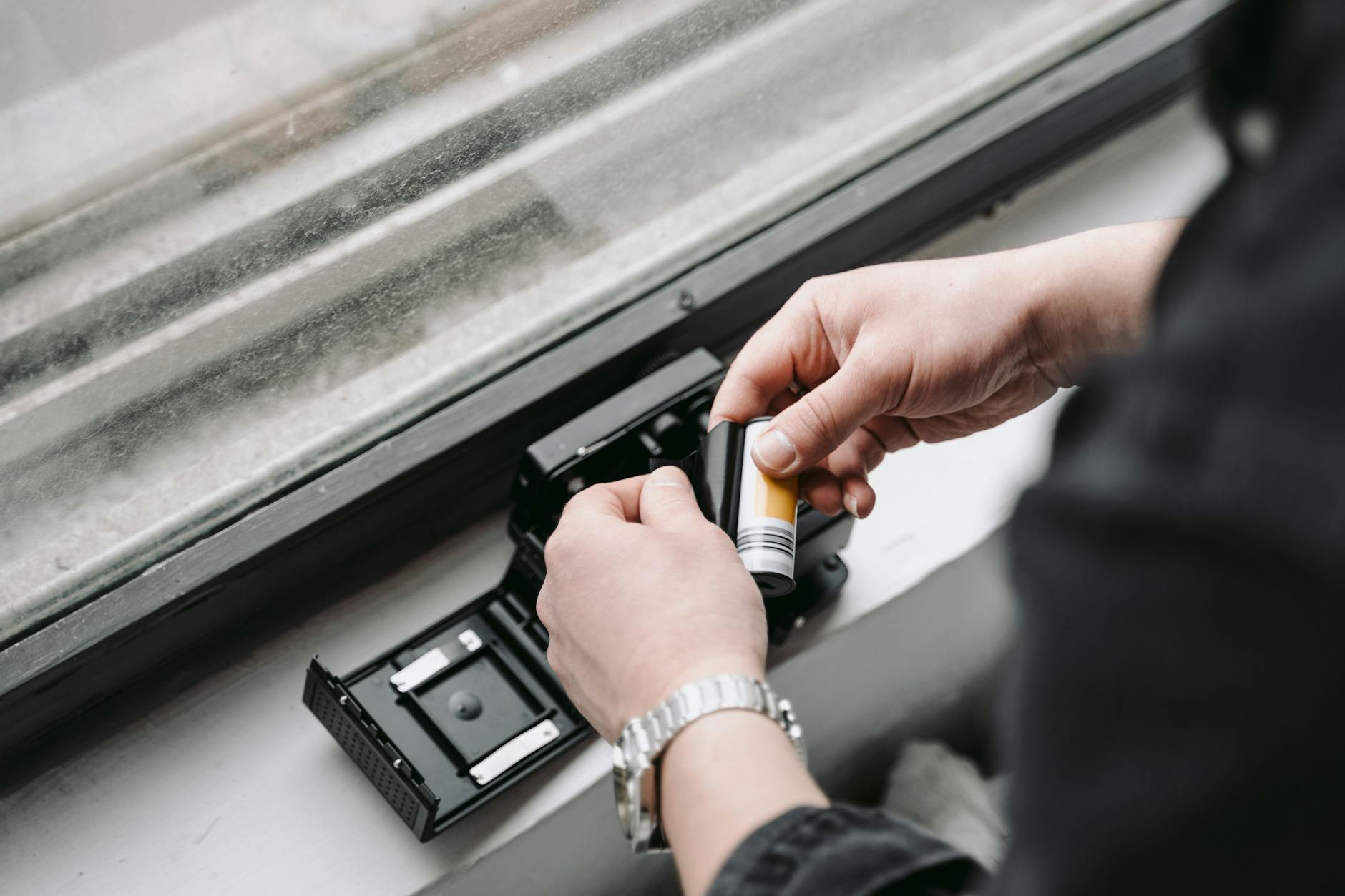
- ☑ Load a dummy film roll to test advance, rewind, and frame counter.
Our technicians record every check and note even minor quirks. For example, we once found a focal-plane shutter running nearly half a stop fast — a detail invisible to the ear but revealed under timing tests. Fixing it brought exposures back to true.
Tools and Techniques We Use in Professional Tests
This part showcases the specialist gear used to ensure consistency and calibration across cameras.
- Shutter speed testers (some digital, others smartphone‑connected) verify timing accuracy within a small tolerance.
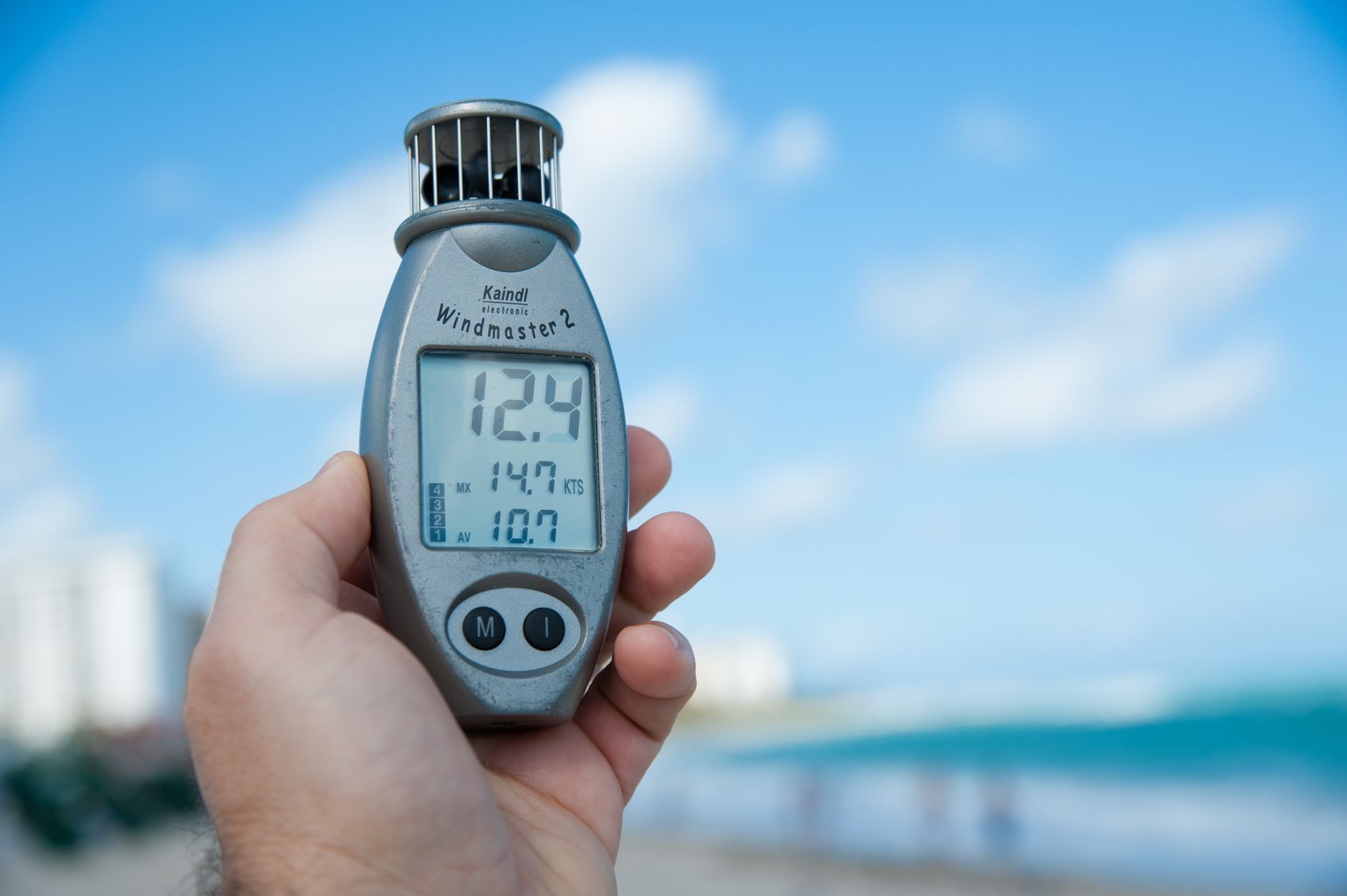
- Reference light meters are used to calibrate built‑in meters under identical lighting conditions.
- Magnifiers and flashlights help detect dust or fungus inside the mirror box or behind the focusing screen.
- Bench cameras with known specs act as controls—if another body deviates, the tester spots it immediately.
Behind the scenes, our workbench looks like a small lab: cameras lined up, shutter testers glowing, lenses uncapped under LED strips. This controlled environment lets us spot subtle flaws that field tests might miss.
How Our Testing Process Builds Buyer Trust
This section explains how documentation and transparency create a better second-hand buying experience.
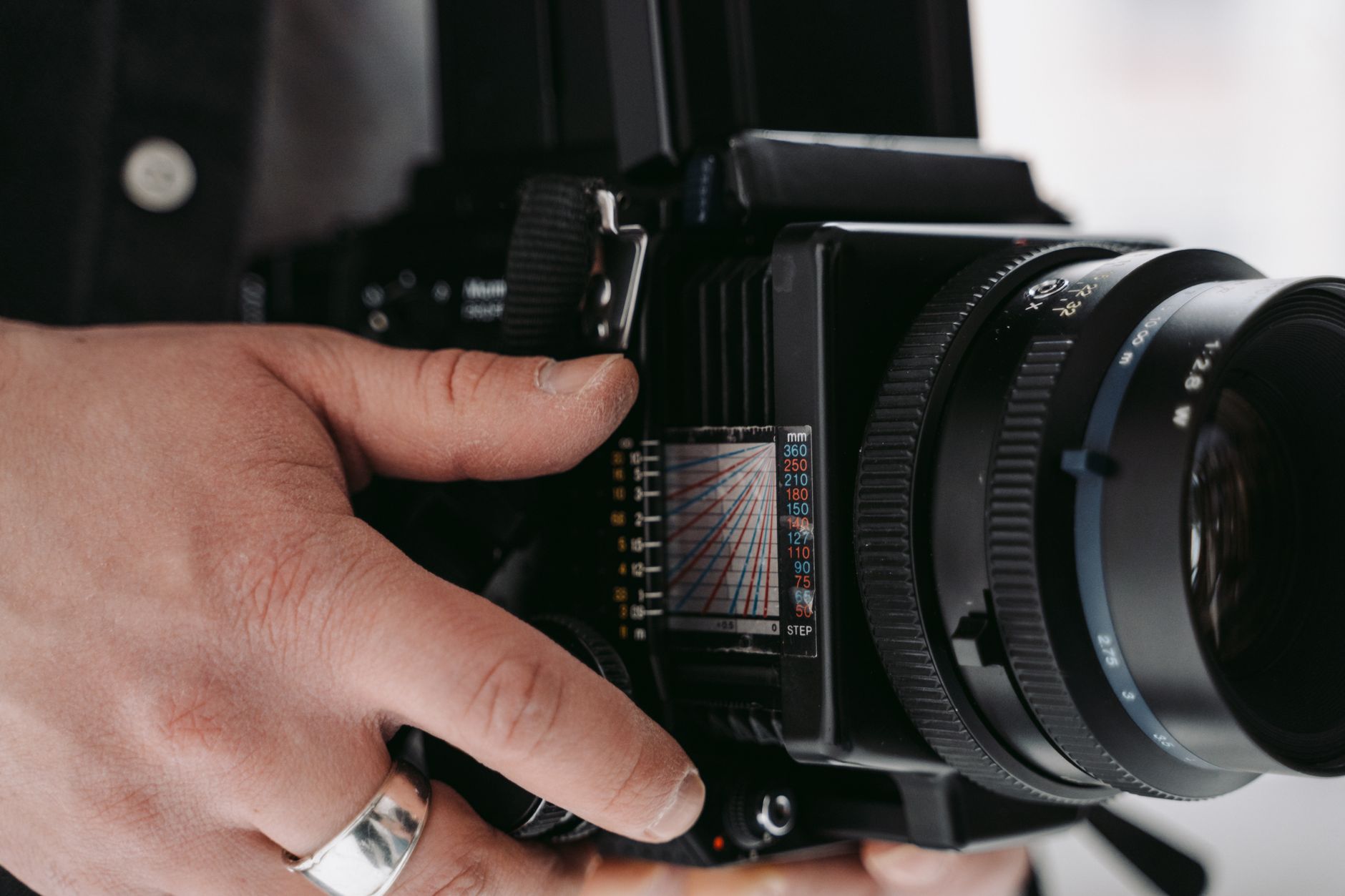
Every tested camera comes with a detailed note describing shutter timing, meter reliability, and lens clarity. These records give buyers confidence that they’re not just purchasing nostalgia—they’re investing in functionality verified by experts.
We’ve seen that trust translate directly into creative success: one client chose a tested Nikon FM from our collection. Their first roll captured crisp, contrasty landscapes across all exposures—a perfect match of reliability and artistry.
| Name | Best for | ISO/Spec | Look/Result | Latitude/Usability | Notes |
|---|---|---|---|---|---|
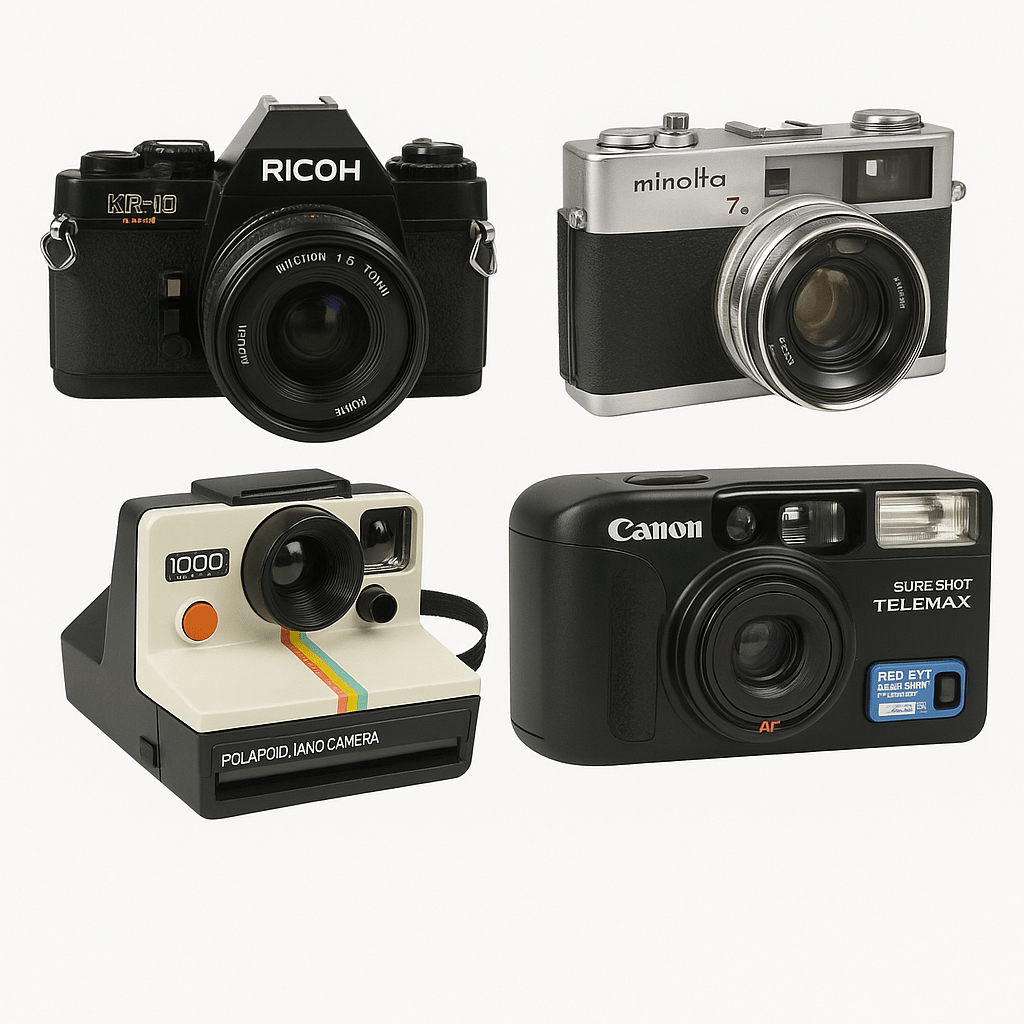
| SLR Film Camera | Manual focus precision | 35mm | Sharp details, meter reliability | Wide control with manual settings | See browse SLR film cameras |
| Compact Rangefinder | Street photography | 35mm | Quiet shutter, fast framing | Medium manual flexibility | Lightweight for travel |
| Medium Format | Portraits, landscapes | 120 film | High resolution, creamy depth | Slower workflow | Demands precise winding |
Pros
- Documented test reports assure buyers of mechanical soundness.
- Restored cameras extend the lifespan of vintage equipment.
- Transparent grading builds trust in second-hand markets.
Cons
- Full testing adds preparation time before resale.
- Some rare models require specialized parts for accurate calibration.
Where to Buy Certified Tested Analog Cameras
This final section helps you source reliable, pre-tested cameras.
At Dutch Thrift, each listing includes a transparent condition report and the results of our in‑house testing. You can shop tested analog cameras or find camera lenses for analog bodies—all certified to meet our standards.
Quick Decision Guide
- Beginners: Start with a tested compact rangefinder—auto exposure, easy handling.
- DIY enthusiasts: Pick a mechanical SLR with manual adjustments for full control.
- Professionals: Opt for a serviced medium format for maximum image quality.
- Collectors: Choose rare limited editions tested safe for light leaks and shutter wear.
Frequently Asked Questions
- What steps are included in an analog camera test?
- Visual inspection, shutter and film advance checks, light meter comparison, and lens cleaning verification are part of the standard process.
- How can I check shutter and light meter accuracy?
- Use a shutter speed tester or a smartphone app for timing, and compare meter readings with a properly calibrated handheld meter.
- What tools do I need to test an analog camera?
- A flashlight, magnifier, dummy film roll, shutter tester, and reliable light meter cover most basic tests.
- How do professionals inspect second-hand analog cameras?
- They follow a fixed checklist, note results, verify shutter timing, and ensure fungus-free optics before approval for sale.
- Can I test my analog camera at home without special equipment?
- Yes. Listen to shutter speeds by ear and examine the lens visually, but for accurate timing, consult a testing service.
Ready to Shoot with Confidence?
Explore pre-tested analog cameras that passed our quality checklist and start your next film roll with total peace of mind.