








Buying second-hand gear can save money and cut waste—but only if you know how to test it properly. Here's your step-by-step guide for 2025.
Why Test a Second Hand Camera Flash in 2025?
You’ll learn why checking a second hand flash matters before buying, saving you time and disappointment later.
Buying second hand saves money, reduces e-waste, and extends the life cycle of equipment. But camera flashes are delicate electronic devices whose condition can vary widely.
A photographer once shared how they grabbed a bargain flash online without testing. On their first wedding shoot, the flash refused to fire past the second shot—leaving them in the dark, literally. A simple pre-purchase test could have avoided that embarrassment.

Essential Tools You Need Before Testing
You’ll discover the bare minimum you need to start testing a flash safely and effectively.
- Fully charged AA or proprietary batteries compatible with the flash
- A camera body with a hot shoe port or compatible wireless trigger
- A clean flat surface to perform your inspection

Step-by-Step Process to Test a Used Camera Flash
You’ll get a safe, practical workflow for fully testing a second-hand flash—and knowing when to walk away.
- Visual inspection: Check for corrosion in the battery chamber, cracks, or burn marks on the casing.
- Power on: Insert fresh batteries. Power it on and listen for irregular noises or smells.
- Trigger test: Use the test button and also fire from the camera hot shoe to confirm triggering.
- Measure recycle time: At full power, fire a flash, then time how long until the ready light returns.
- Light consistency: Fire several shots at varying output levels and check for consistent color and brightness.
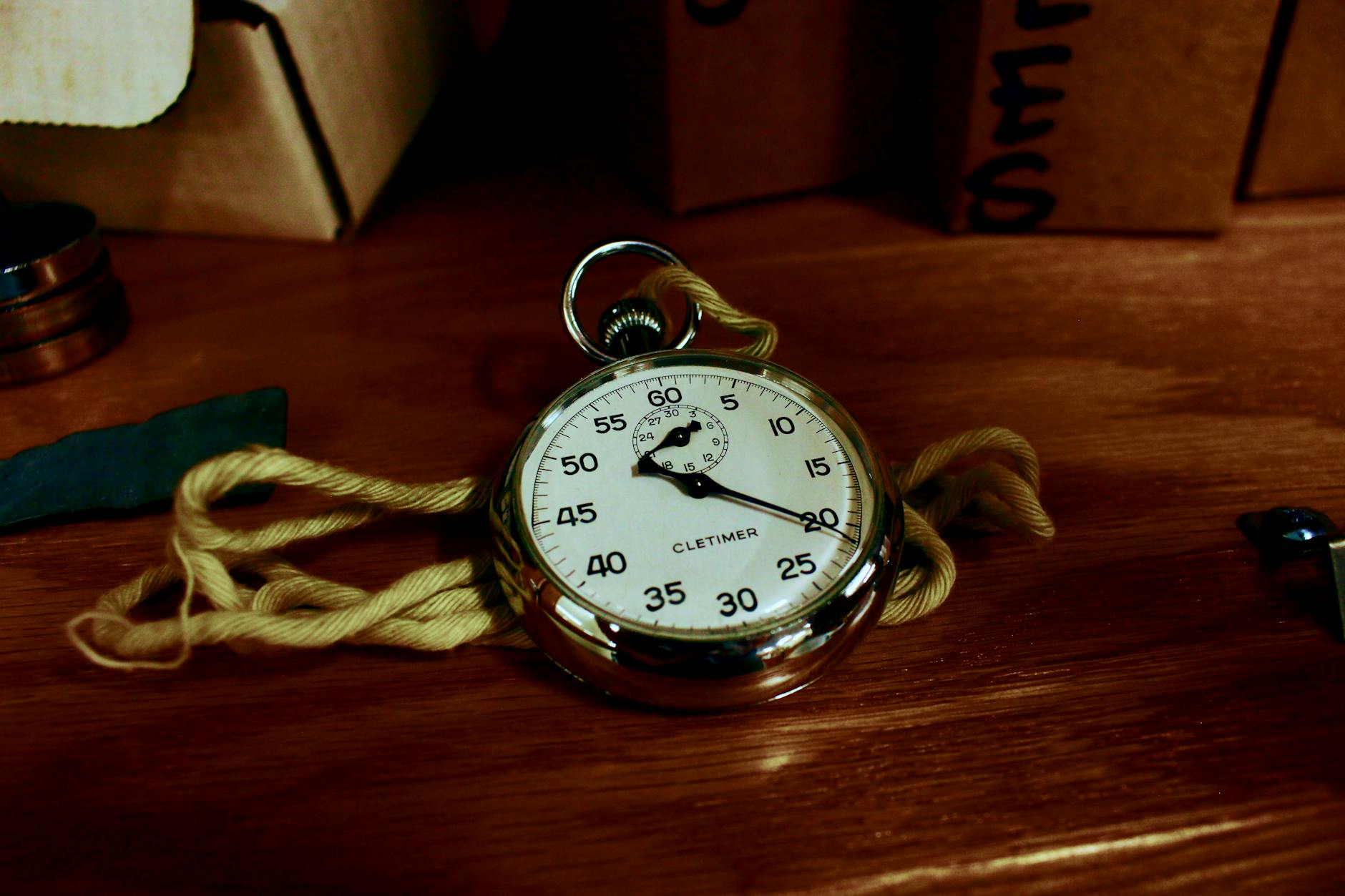
One buyer reported discovering an older flash model that looked fine externally but, during testing, took a full 15 seconds to recycle. That discovery prevented a frustrating purchase.
Safety Tips When Testing Flash Units
You’ll learn how to protect yourself and your gear while testing potentially old or unstable hardware.
- Avoid touching capacitor areas or internal parts—high-voltage risks exist.
- Let the unit cool between multiple full-power tests.
- Always remove the batteries immediately after finishing.
Signs the Flash Might Not Be Worth Buying
You’ll learn the red flags that should make you walk away from a purchase.
- Unusual buzzing, smoke, or burnt smell on power-up
- Recycle times longer than expected
- Inconsistent or absent firing despite full charge
- Evidence of rough amateur repair (glue, tape, etc.)

Final Thoughts: Buy Used Gear with Confidence in 2025
You’ll leave with confidence to shop sustainable, second-hand camera flashes with knowledge and care.
By following a structured test, you lengthen the service life of your gear and reduce waste. Reputable shops specializing in photography accessories or DSLR cameras often pre-check flashes, giving buyers added peace of mind. The more you practice these checks, the more confident you’ll feel purchasing used equipment responsibly.
Quick Decision: Should You Buy That Used Flash?
- If it passes visual and recycle tests with ease: buy confidently.
- If recycle times drag: consider passing.
- If smoke, smell, or misfires appear: skip immediately.
- If minor cosmetic wear only: generally safe to purchase.
FAQs
- How do I test a second hand camera flash in 2025?
- Inspect physically, power with correct batteries, test fire, measure recycle time, and confirm consistent light output.
- What steps ensure a used camera flash is safe?
- Check the casing, only use proper batteries, avoid internal tampering, and allow cooling between firings.
- Can I check flash recycle time on a second hand unit?
- Yes. Fire at full power and time until the ready light illuminates, repeating across several shots for consistency.
- Which settings confirm proper flash firing in 2025?
- Trigger at different power levels, confirm hot shoe sync, and use your camera’s shutter release to validate performance.
- What are common deal-breakers when buying a used flash?
- Severe corrosion, burnt smells, inconsistent light output, long recycle times, or visible overheating signs.
```