


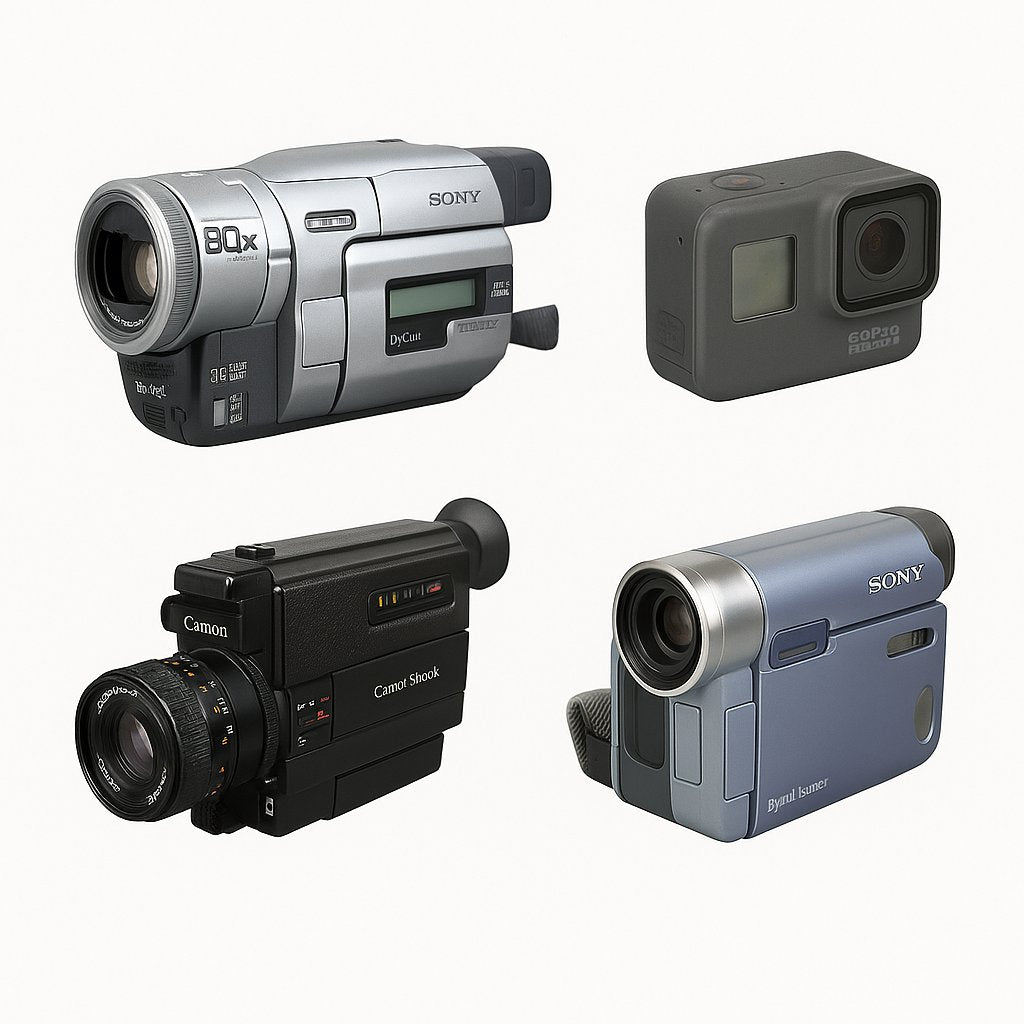

Finding the right second-hand film scanner in 2025 is both a technical and emotional choice. This guide compares resolution, usability, and archival reliability to help you preserve your negatives with confidence.
Why Resolution Matters in Film Negative Scanning
Here, we explore how DPI affects film detail, archival longevity, and output quality for different needs.

A film negative is full of microscopic detail. Resolution—the scanner’s DPI—determines whether that detail translates into the digital file. The difference between 2400 DPI and 4000+ DPI can make or break future usability of your scans.
- ✔ Consider minimum 2400 DPI for casual scanning
- ✔ Aim for 4000+ DPI for archival purposes
- ✔ Confirm the scanner’s optical (not interpolated) resolution
Many photographers have learned this the hard way. Years ago, I scanned old family negatives at low resolution to save disk space. Later, when I wanted large prints, the detail was gone for good. Future-proof your scans now—you can’t re-shoot history.
Best Used Film Scanners in 2025 With High Resolution
This section compares popular second-hand models still respected for sharpness, DPI, and reliability in 2025.

Dedicated film scanners like the Nikon Coolscan series or the Plustek OpticFilm line remain popular on the used market in 2025. Flatbed scanners like the Epson V850 are still consistent performers but often trade sharpness for versatility.
| Name | Best for | Spec | Result | Usability | Notes |
|---|---|---|---|---|---|
| Nikon Coolscan 5000 | Archival scans | 4000 DPI optical | Sharp, high detail | Moderate learning | Excellent reputation |
| Plustek OpticFilm 8200i | Dedicated film use | 7200 DPI claimed | Impressive sharpness | User-friendly | Still supported software |
| Epson V850 Pro | Hybrid scanning | Up to 4800 DPI | Great balance | Easy workflow | Flatbed flexibility |
When buying used, resolution claims can be misleading. Always verify whether it’s genuine optical DPI. Check film holders for wear and test software compatibility before purchase.
- ✔ Validate model specs before buying used
- ✔ Inspect for worn trays or film holders
- ✔ Test scanning software compatibility
Pros
- Dedicated film scanners deliver superb DPI and sharpness
- Flatbeds offer multi-format versatility
- Used prices are more sustainable than new
Cons
- Some used units may lack software drivers
- Film holders wear down with age
- Dedicated units typically slower scan speeds
How to Maintain Resolution Quality on a Used Scanner
Learn how to keep your second-hand scanner delivering sharp, high-resolution results year after year.

- ✔ Clean scanner optics with anti-static cloth
- ✔ Avoid scanning with dust on negatives
- ✔ Calibrate colors using scanner tools or third-party software
I once rushed through scanning dusty negatives. The result? Hours spent cleaning files in software. A quick pre-scan dusting now saves me endless frustration and keeps the resolution intact.
Practical & Creative Uses for High-Resolution Film Scans
High DPI scans unlock creative opportunities beyond just archiving, from big art prints to preserving family memories.
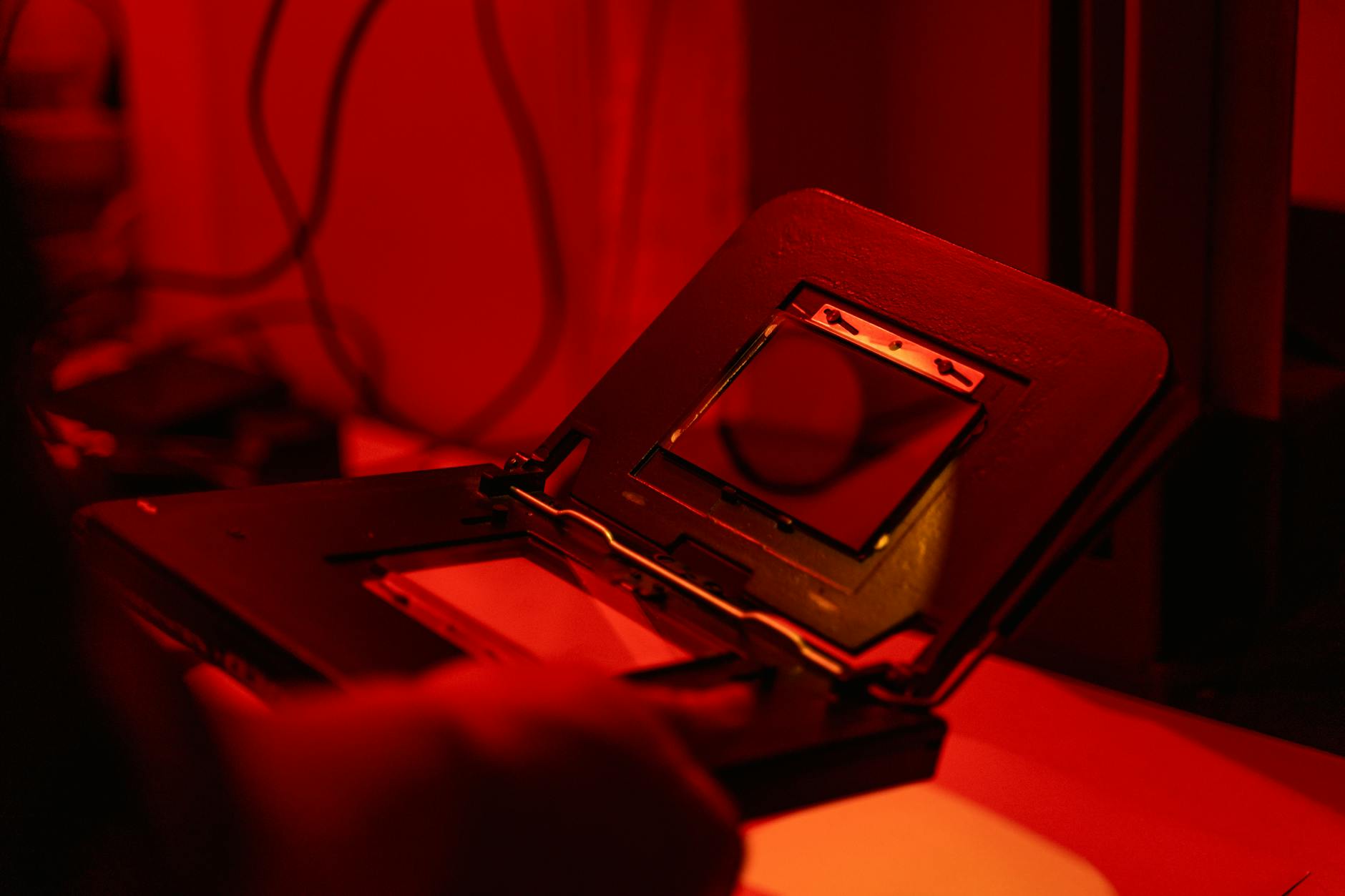
- ✔ Save scans in TIFF for quality
- ✔ Create JPEG copies for quick sharing
- ✔ Backup files to multiple storage options
Imagine pulling out an envelope of family negatives from decades past. With a high-resolution scan, not only are they preserved against fading time, but also ready for beautiful enlargements, creative digital edits, or simply sharing online. Digital preservation extends the life of analog memories.
Quick Decision Guide
- Pick a Nikon Coolscan if you want archival sharpness and lasting reliability.
- Choose a Plustek OpticFilm for dedicated film scanning with modern software support.
- Go with an Epson V850 if you want versatile scanning of film and prints.
- Casual users can accept lower DPI—but archivists should never drop below 4000 DPI optical.
FAQs
- What are the best used film scanners for negatives in 2025?
- Nikon Coolscan, Plustek OpticFilm 8200i, and Epson V850 Pro are reliable used options with strong optical resolution.
- How does resolution affect scanned film negatives?
- Higher DPI captures more grain detail, enables larger prints, and supports true archival preservation.
- Which used scanners offer the highest DPI in 2025?
- Dedicated film scanners like Plustek OpticFilm often exceed 4000 DPI; top flatbeds like Epson V850 stay around 4800 DPI.
- Are used film scanners reliable for archival quality?
- Yes, provided the unit is well-maintained, has optical resolution above 4000 DPI, and includes working film holders.
- What’s better for negatives: flatbed or dedicated film scanners?
- Dedicated film scanners usually offer sharper scans. Flatbeds are versatile but may sacrifice some detail sharpness.
Get Started With Sustainable Scanning
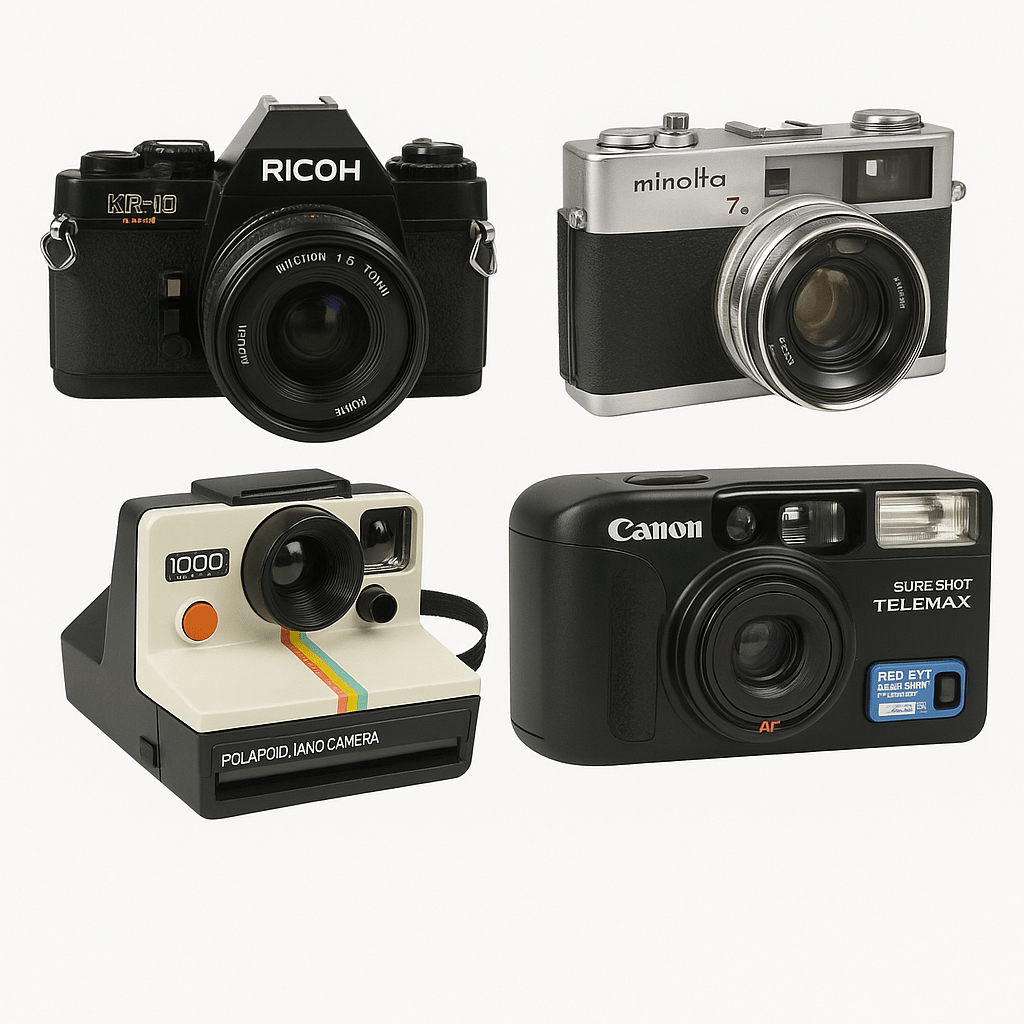
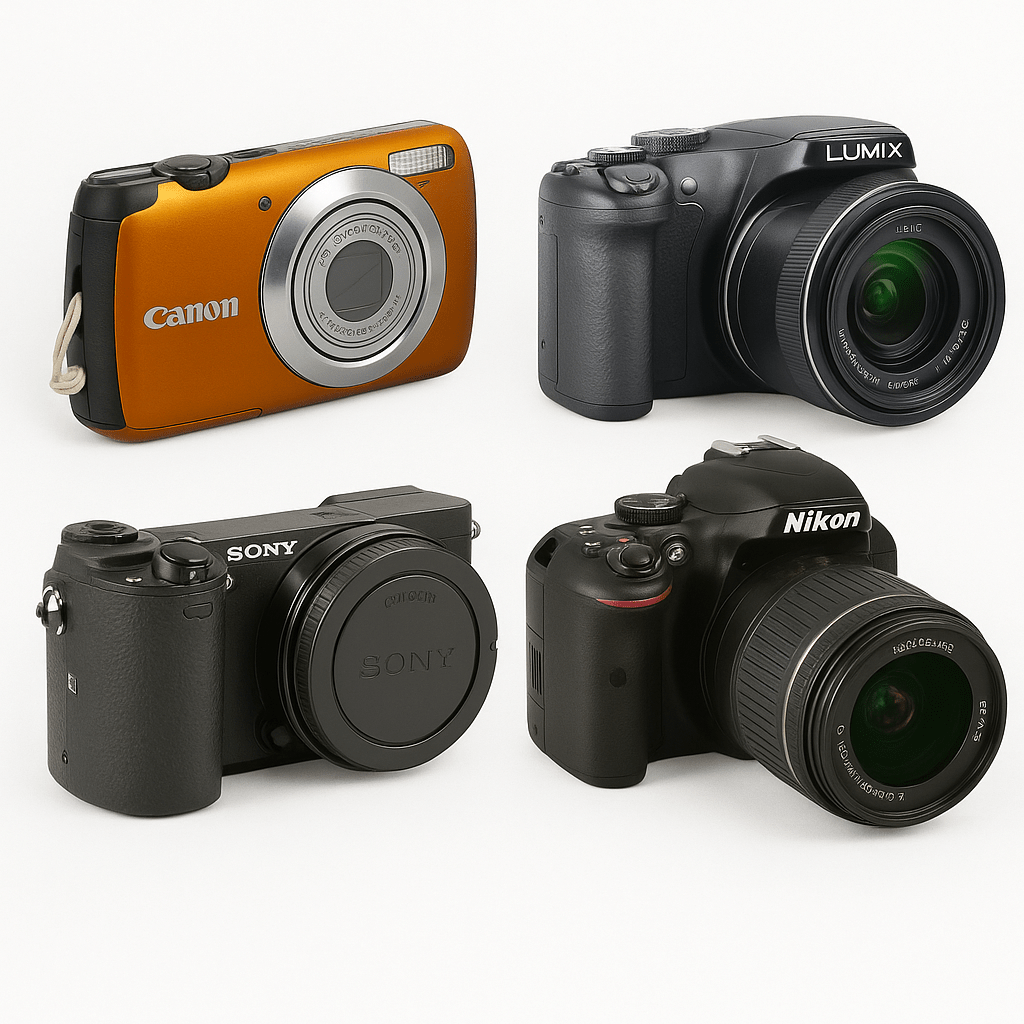
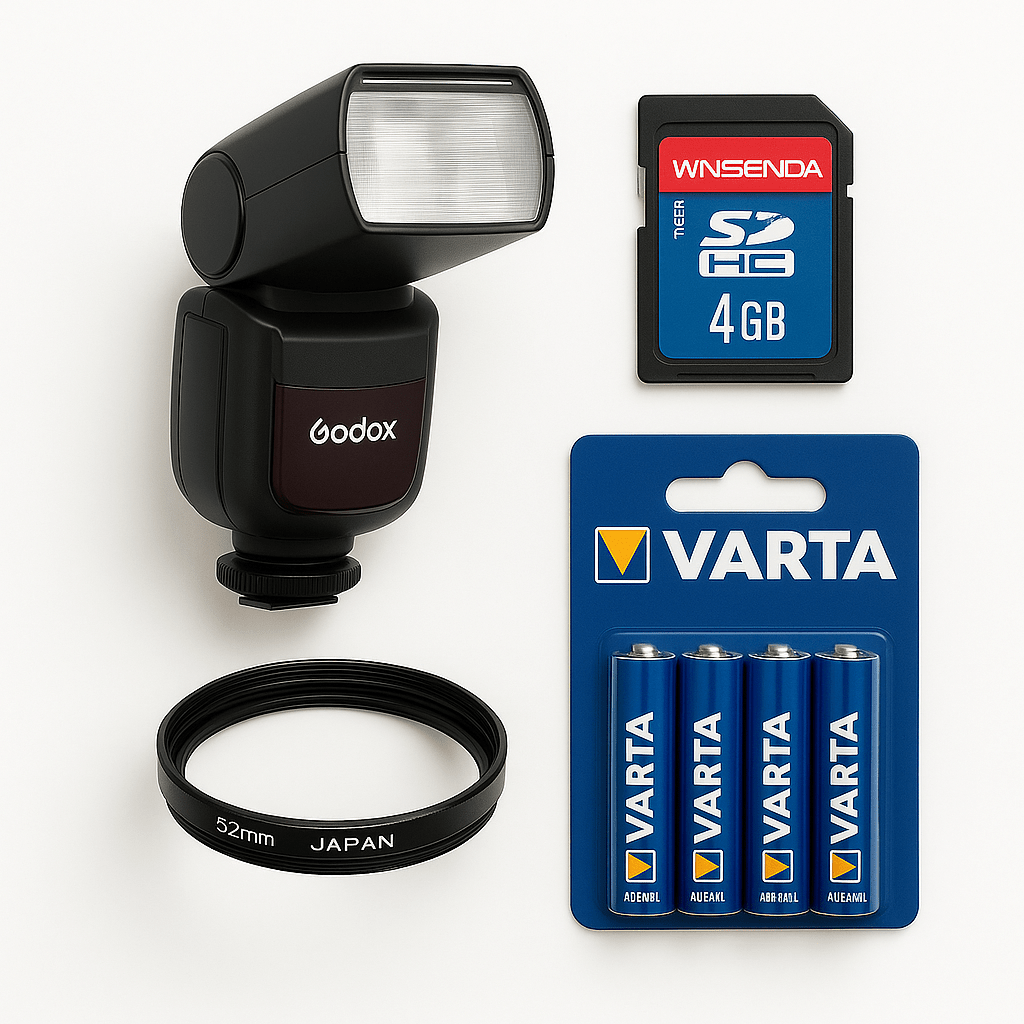
Explore our collection of second-hand gear to complement your film scanner. From SLR film cameras to Photography accessories and even Digital cameras, you’ll find trusted tools that keep film history alive—sustainably.