



A Brief History of the Canon Digital Ixus 70
A minimalist icon from the early digital era
The Canon Digital Ixus 70 arrived in the late 2000s, when compact digital cameras were finally small, stylish, and truly pocketable. With its flat, metal front plate and simple lines, it looked more like a sleek gadget than a traditional camera. For many people it was their first “real” digital camera—something you could carry every day without thinking about it.
Back then, this Ixus sat in the sweet spot between casual snapshot tools and bulkier enthusiast compacts. It was quick to power on, easy to understand, and produced saturated, contrasty files straight out of camera. That combination helped it become a favorite for holidays, nights out, and first experiments in photography.

I still remember the first compact digital I used: it lived in a jacket pocket, survived concerts and rainy walks, and somehow turned blurry, off-center moments into the sharpest memories of that era.
From everyday camera to creative cult favorite
In 2025, the Canon Digital Ixus 70 has shifted from mainstream gadget to niche creative tool. Its limitations—small sensor, modest resolution, simple controls—are now part of its charm. Many creators seek out older digital compact cameras like this one specifically for their imperfect, characterful rendering.
Core Technical Traits That Define Its Look
The CCD signature: color, contrast, and noise
The heart of the Canon Digital Ixus 70 is a small CCD sensor paired with Canon’s early digital processing. This combination gives images a punchy, almost film-like character: rich midtones, deep but not muddy shadows, and colors that lean warm and inviting. Highlights can clip in bright sun, but that hard edge is part of its “2000s digital” attitude.
Noise at higher ISOs is visible and grain-like rather than smooth, especially in low light. Used creatively—think neon-lit streets or night interiors—it adds texture instead of distraction.
Lens and handling traits
The built-in zoom lens covers the classic everyday range, from mild wide angle for street scenes to short telephoto for portraits. It won’t blur backgrounds like a large-sensor camera, but it keeps subjects and surroundings in context, which suits travel and documentary work.
Autofocus is simple and central; exposure modes are mostly automatic. This encourages composition and timing over technical tweaking. The compact body and straightforward buttons mean you can shoot one-handed and inconspicuously.

How to Use the Ixus 70 Creatively in 2025
Embrace straight-from-camera JPGs
One of the Ixus 70’s biggest strengths in 2025 is how finished its JPGs look without editing. Skin tones, skies, and city lights carry a distinct CCD glow that stands out on modern feeds flooded with ultra-clean smartphone images.
- Try direct-from-camera JPG posting for authentic texture.
- Shoot in good lighting to balance color and noise.
- Keep two charged NB-4L batteries ready.
- Use SD cards up to 4GB for best reliability.
Perfect for street, travel, and digital lo-fi aesthetics
The Ixus 70 is discreet enough for street photography: you can capture gestures, expressions, and fleeting scenes without drawing attention. On trips, it becomes a stress-free companion: no lenses to swap, no menus to navigate. Just point, frame, and click.
For creators exploring lo-fi and nostalgic aesthetics, the Ixus 70 saves time. Instead of stacking vintage filters in an app, you get a ready-made, early-digital baseline that already feels aged and tactile.
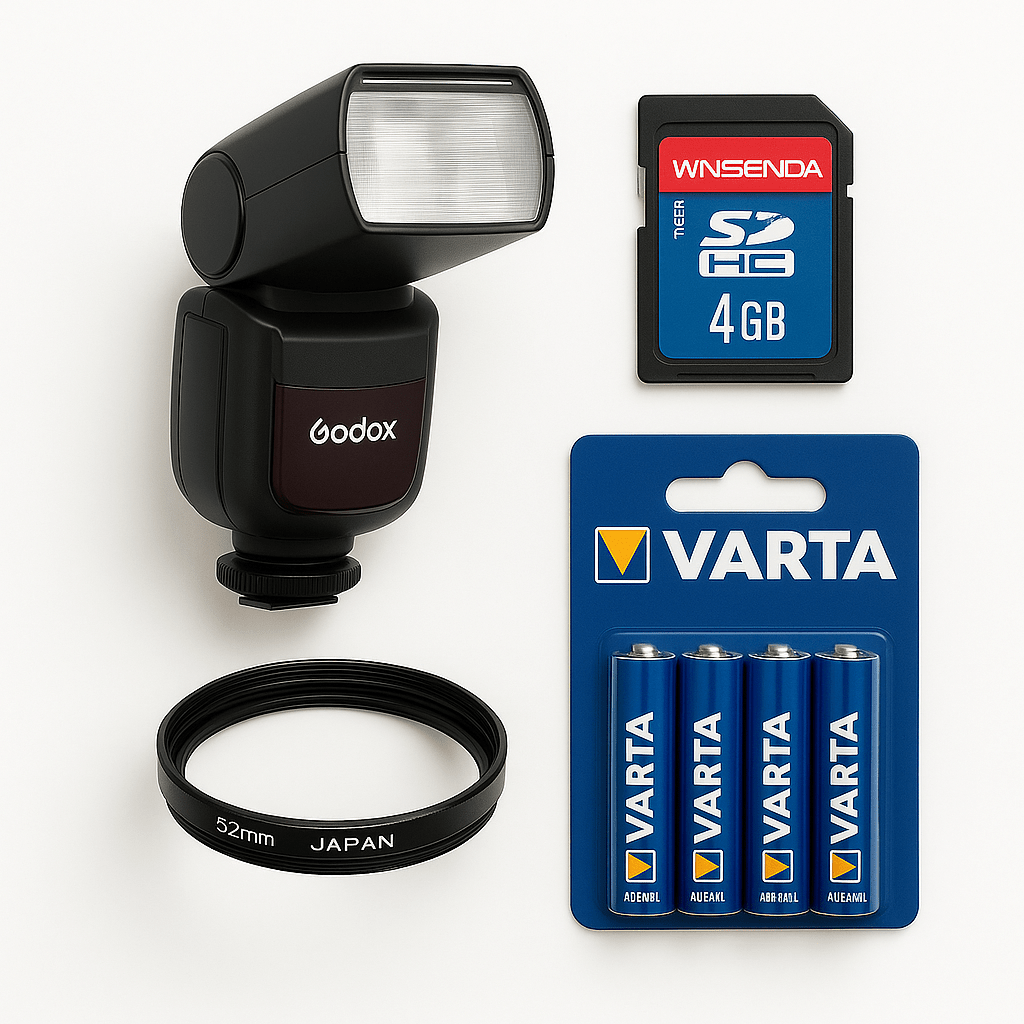
Want to expand your setup slightly? Pair the Ixus 70 with simple, lightweight photography accessories like a wrist strap, small pouch, or USB card reader to streamline your shooting and sharing routine.
Buying Guide for Second-Hand Canon Digital Ixus 70
What to check before you commit
Because every Canon Digital Ixus 70 is now a used camera, condition matters. A careful inspection helps you avoid surprises and extends the life of your new-old compact.
- ✅ Examine lens and screen for physical defects.
- ✅ Test shutter, flash, and menu operation.
- ✅ Confirm battery latch is intact.
- ✅ Shoot a plain surface test image for sensor dust.
Look closely for cracks near the corners, screws missing from the body, or a wobbly zoom mechanism. Minor cosmetic wear is normal, but mechanical damage can be harder to fix.
Batteries, memory cards, and long-term usability
The Ixus 70 uses NB-4L batteries. Original Canon packs are now aging, but third-party NB-4L replacements remain widely available and affordable. Having at least two charged batteries in your bag keeps the camera ready for spontaneous sessions.
For memory, SD cards up to 4GB offer the best reliability. These cards are more than enough for a day of shooting JPGs and help avoid compatibility issues sometimes seen with larger, newer cards.
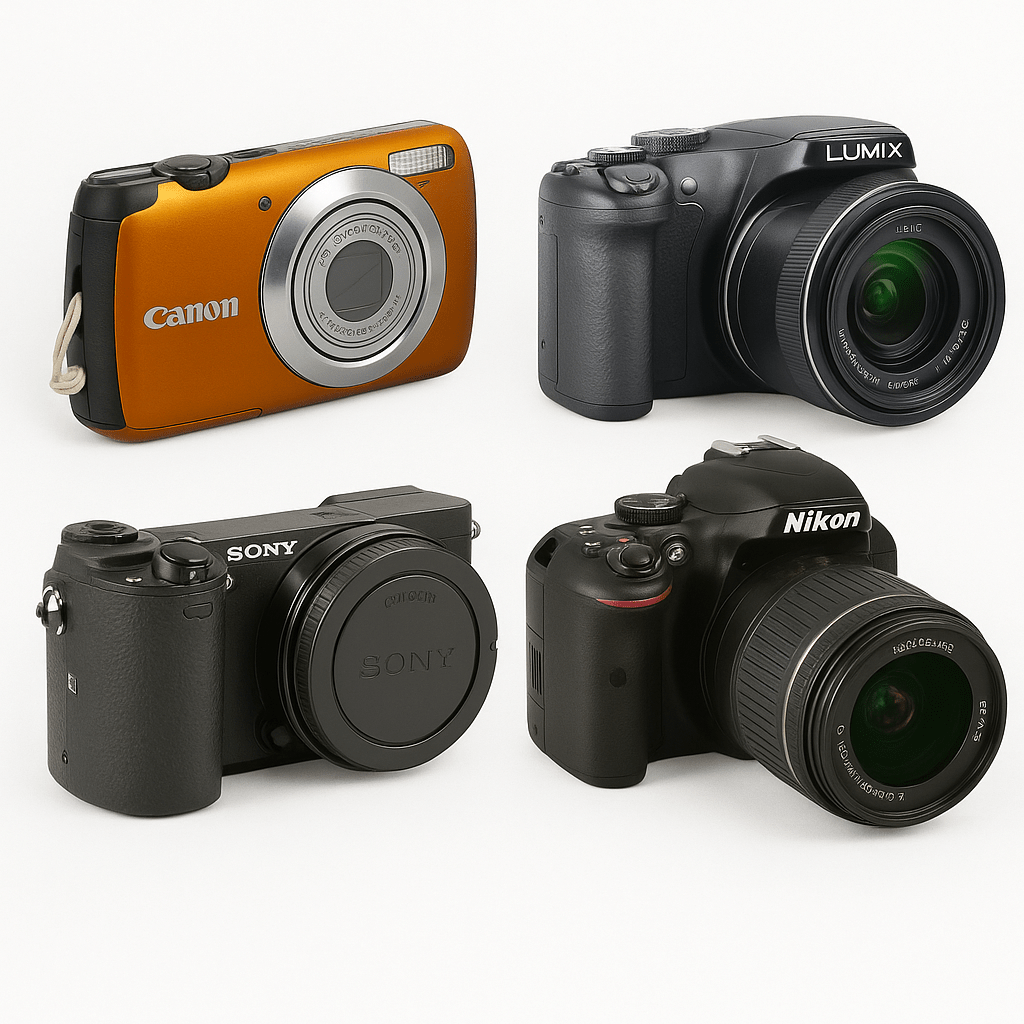
If you decide to branch out, consider exploring the broader point-and-shoot range. The Ixus 70 can be your entry point into a small collection of characterful digital compacts, each with its own rendering and quirks.
Why the Canon Digital Ixus 70 Still Matters Today
A sustainable, inspiring alternative to constant upgrades
In a world of yearly smartphone cycles and ever-larger files, the Canon Digital Ixus 70 offers something refreshingly modest. It reuses existing hardware instead of demanding new resources, aligning naturally with a more sustainable approach to photography gear.
Choosing a second-hand Ixus 70 means extending the life of a capable tool that might otherwise sit forgotten in a drawer or end up as e-waste. At the same time, you gain access to a distinct visual style that newer devices often struggle to imitate authentically.
Limits that fuel creativity
The Ixus 70’s constraints—fixed lens, compact sensor, simple controls—force you to prioritize timing, framing, and story over technical perfection. That mindset can refresh even experienced photographers who feel overwhelmed by options on modern cameras.
For beginners, it is an unintimidating way to learn the basics of light and composition. For seasoned creators, it becomes a pocketable sketchbook for visual ideas, ready whenever inspiration appears.
FAQs
Is the Canon Digital Ixus 70 still usable in 2025? Yes. With proper NB-4L batteries and compatible SD cards, it remains reliable and serves as an excellent creative tool for nostalgic digital effects.
What type of photography suits the Canon Digital Ixus 70 best? Street, travel, and creative documentary photography benefit most from its compact size, discreet handling, and saturated CCD look.
Are replacement parts and batteries easy to find? Third-party NB-4L batteries and used accessories are still widely available online and in vintage camera shops specializing in classic digital gear.
What should I check before buying a used Canon Digital Ixus 70? Inspect the lens and LCD, test shutter, flash, and button response, and make sure the battery compartment and latch are intact and secure.
Ready to experiment with this vintage digital classic—or discover similar compact gems? Explore carefully curated digital compact cameras and sustainable second-hand gear at DutchThrift.com.