



Introduction: The Olympus D-700 in a Modern Context
The Olympus D-700 is the kind of compact digital camera you might overlook at first glance. It is small, unassuming, and far removed from today’s spec-heavy mirrorless bodies and oversized smartphones. Yet in 2025, this camera has found a second life among photographers and creators who crave a slower, more intentional way of shooting—and a look that feels distinctly different from modern sensors.
With its CCD sensor, straightforward controls, and pocketable body, the D-700 invites you to stop scrolling through menus and start paying attention to light and timing. Whether you are rediscovering digital compacts or picking up a camera for the first time, the Olympus D-700 offers a refreshing mix of simplicity, nostalgia, and creative possibility.
Technical Overview: Compact Specs with Character
Compact design, essential controls
The Olympus D-700 was designed as an easy-to-carry, everyday digital camera. Its compact body slips into a jacket pocket or small bag, making it ideal for spontaneous shooting. A retractable lens extends when the camera powers on, and basic controls—zoom rocker, shutter button, mode dial—are placed where your fingers naturally fall.

CCD sensor and everyday performance
At its heart, the D-700 uses a CCD sensor—modest in resolution by modern standards, but more than enough for social media, small prints, and creative projects. Autofocus is simple but reliable in good light, with a built-in flash to help in darker scenes. This is not a camera built for technical perfection; it is designed for straightforward photography with minimal setup time.
Batteries and storage
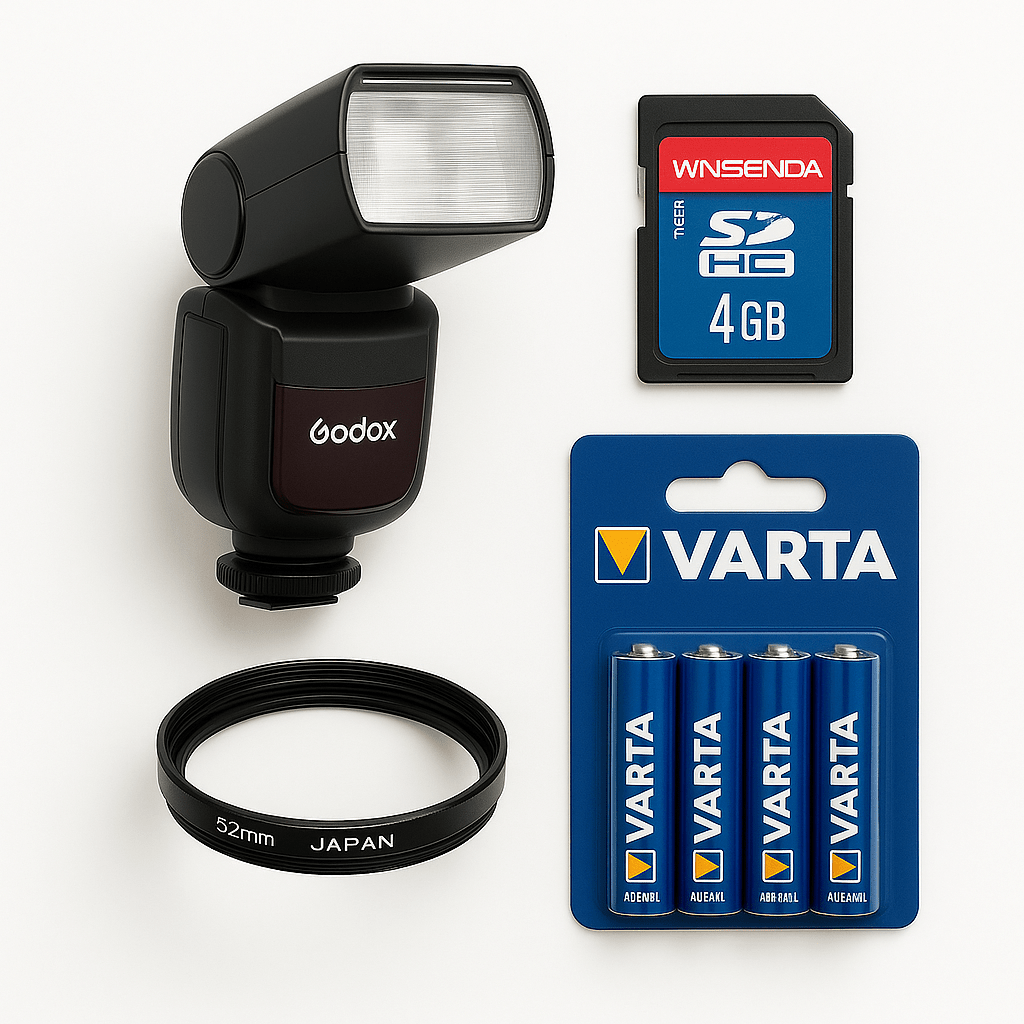
One of the D-700’s most practical features is its use of two AA batteries. You can keep a couple of spare NiMH rechargeables in your bag or pick up alkalines almost anywhere in the world. Storage is just as simple: the camera supports SD/SDHC cards up to 32GB, which are still easy to find and inexpensive.
Why Creators Still Love CCD: The D-700’s Distinct Look
A different digital texture
Modern CMOS sensors prioritize clean, noise-free files. The Olympus D-700’s CCD sensor, by contrast, has a subtle texture that many photographers now seek out. Colors can feel slightly denser and more “solid,” with a gentle highlight roll-off that gives scenes an almost print-like quality.
Walking through the city on a grey, overcast afternoon, the D-700 hanging from your wrist, you notice how the damp pavement and soft window light turn into a quiet mosaic of tones. The files are not clinically sharp, but the gentle grain, muted colors, and CCD shimmer create a mood your phone’s smooth, heavily processed images never quite capture.
Imperfections that inspire
At higher ISOs, the D-700 can show visible noise and a slight shift in color. Instead of fighting these quirks, many creators lean into them—using the camera for moody black-and-white, grungy night scenes, or lo-fi portraits. The imperfections become part of the story, much like light leaks or expired film.
Practical Uses in 2025: New Life for a Classic Compact
Street and everyday carry camera
The Olympus D-700 is well-suited as a discreet street camera. It is small, quiet, and looks harmless—people tend to relax around it. This makes it easier to capture candid moments, urban details, and daily life scenes without drawing too much attention.

Creative experiments and learning tool
For beginners, the D-700 strips photography back to fundamentals: framing, timing, and light. Without an overload of features, you can focus on composition and moment. For experienced photographers, it becomes a playful tool for experiments—shooting from the hip, trying unusual angles, or working on personal projects that don’t need ultra-high resolution.
Sustainable second camera
Choosing a second-hand Olympus D-700 keeps an older digital camera out of landfill and extends its life. It is a budget-friendly, eco-conscious way to add a characterful compact to your kit, complementing your main system camera rather than competing with it.
How to Find and Maintain a Great Second-Hand Olympus D-700
What to check before buying
A well-cared-for D-700 can still deliver years of use. When you are browsing second-hand listings or inspecting a camera in person, pay attention to a few key points:
- Inspect LCD for scratches or fading.
- Ensure lens extends smoothly and shutter opens fully.
- Check battery compartment for corrosion.
- Test SD card slot for proper function.
- Look for original strap or case for added collector value.
Simple maintenance for long life
Maintenance is mostly about gentle care. Wipe the body and lens barrel with a soft, dry cloth after use, especially if you have been shooting near the sea or in dusty areas. Remove the batteries if you are storing the camera for more than a few weeks to avoid leakage.
The LCD can be cleaned with a microfiber cloth designed for screens, and you can add a small stick-on protector if you want extra scratch resistance. Avoid harsh cleaners or excessive moisture—less is more when caring for older electronics.
Creative Shooting Tips for the Olympus D-700
Work with the light, not against it
The D-700 shines in good natural light. Use overcast days for soft, even portraits and city scenes; save direct sunlight for strong shadows and graphic compositions. Indoors, position your subjects near windows or bright lamps so you can keep the ISO low and avoid harsh flash.
Embrace the limitations
Rather than chasing perfection, lean into what the camera does best. Use its moderate resolution and CCD character for:
- Lo-fi travel diaries and visual journals.
- Black-and-white street series with visible grain.
- Color studies of everyday objects and textures.
Build a simple workflow
Transfer files with a card reader, make light adjustments (contrast, exposure, maybe a slight color tweak), and avoid heavy editing. Let the camera’s native look shine through—this is where the Olympus D-700 feels most authentic.
Conclusion: Embracing Imperfection with Digital Simplicity
In a world obsessed with ever-higher resolutions and endless features, the Olympus D-700 offers something quietly radical: enough. Enough quality to print, enough control to learn, and enough character to make your images stand apart. Its CCD sensor, compact body, and straightforward operation encourage you to slow down, see more, and worry less about perfection.
Whether you are a seasoned photographer looking for a creative sidekick or someone discovering digital cameras for the first time, the D-700 proves that an older compact can still feel fresh. Sometimes, the most inspiring tool is the one that does just a few things very well—and lets you handle the rest.
FAQs
Is the Olympus D-700 worth buying in 2025? Yes. It is especially appealing for creatives and photographers who appreciate CCD color, retro aesthetics, and simple, distraction-free photography workflows.
What batteries does the Olympus D-700 use? The D-700 runs on two AA batteries. For reliable performance and lower waste, use good NiMH rechargeables and a quality charger.
Can I still find SD cards compatible with the Olympus D-700? Yes. The camera supports SD/SDHC cards up to 32GB, which are still widely available and affordable. Always format the card inside the camera before shooting.
How can I clean or maintain my second-hand Olympus D-700? Regularly wipe the lens barrel and body, keep the battery compartment dry and free from corrosion, and clean the LCD with a soft microfiber cloth. Store the camera in a dry place and remove batteries if not in use for a while.
Ready to explore compact CCD cameras and more characterful gear? Browse our curated selection of digital cameras, discover unique point-and-shoot cameras, and complete your kit with sustainable photography accessories at DutchThrift.com.