



Introduction: The Canon Ixus 105 and Its Place in Digital Camera History
A pocket camera from the pre-smartphone era
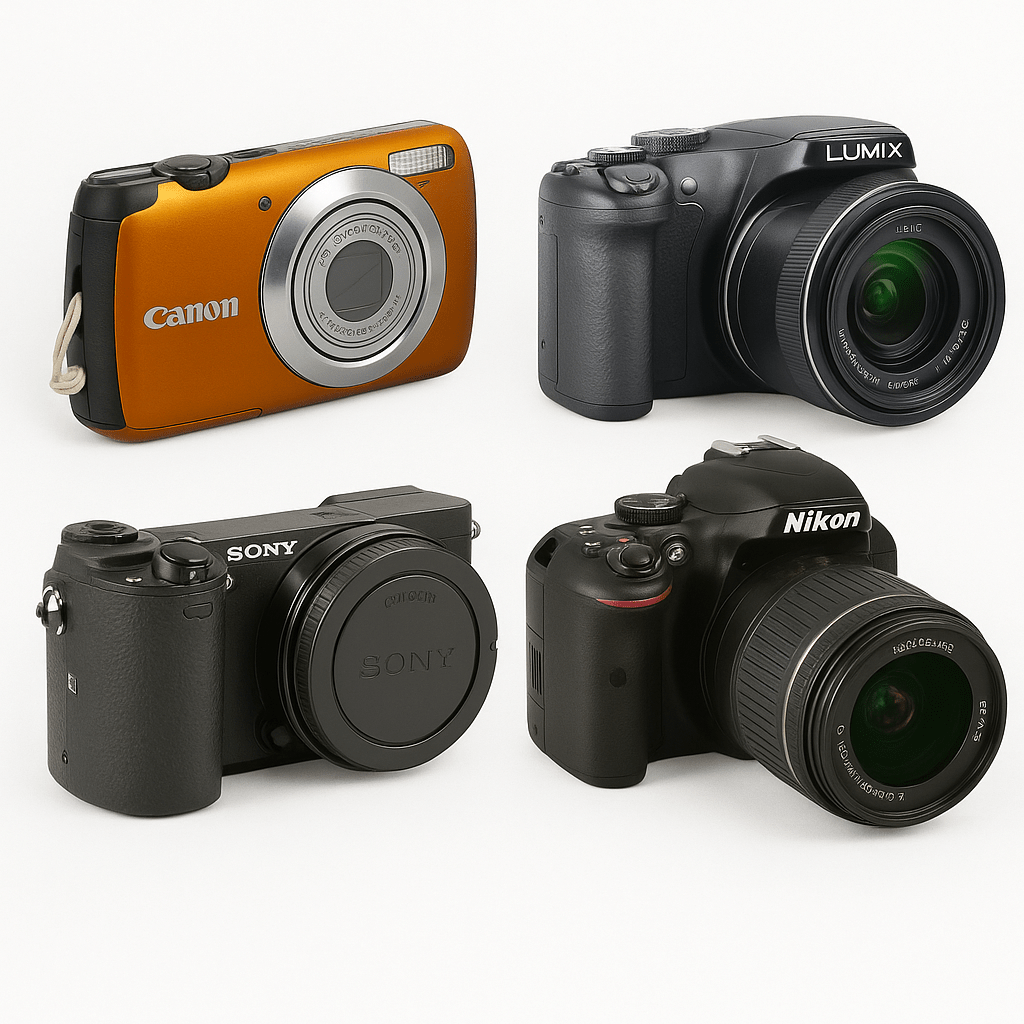
The Canon Ixus 105 arrived in the early 2010s, right at the moment when compact digital cameras ruled bags and jacket pockets. It was small, stylish, and designed for one thing: quick, effortless snapshots. Long before every phone had three lenses and computational tricks, a camera like the Ixus 105 was the most convenient way to document daily life.
Its formula was simple: a compact body, an automatic zoom lens, an easy menu system, and a bright LCD. You turned it on, framed a scene, and clicked. That immediacy—without filters, notifications, or distractions—is a huge part of why this camera still feels refreshing in 2025.
I still remember my first pocket digital camera: the thrill of seeing a photo instantly on that tiny screen, sharing it by passing the camera around instead of posting it online. The Canon Ixus 105 taps into exactly that sort of quiet joy.
Today, the Ixus 105 has quietly transformed from a mainstream gadget into a creative tool. Artists and nostalgic photographers seek out this kind of point and shoot camera precisely because it doesn’t behave like a phone. It has quirks, limitations, and a very specific look.

The Technical Character That Defines Its Look
Small sensor charm and a simple zoom
The Canon Ixus 105 uses a small CCD sensor paired with a compact zoom lens. On paper, that might sound modest compared to modern cameras, but this combination is exactly what gives it a distinct “digicam” character. Highlights clip a little sooner, shadows show a gentle grain, and colors take on a slightly punchy, sometimes nostalgic tone.
The lens is designed for everyday use: wide enough for group shots, with enough reach for casual portraits and details. It was never about clinical sharpness—its slight softness at the edges and the way it renders contrast are part of the signature aesthetic.
Getting the best Ixus 105 aesthetic
The way you shoot can bring out the best in this older sensor and lens:
- ✅ Shoot in bright daylight for smoother noise texture.
- ✅ Use built-in flash for iconic snapshot lighting.
- ✅ Keep aspect ratio at 4:3 for authentic retro framing.
- ✅ Combine footage with modern tools or retro LUTs.
Instead of fighting the camera’s limits, lean into them. The slightly noisy night shots, the hard flash indoors, and the compact framing all add up to something that feels real and unpolished—perfect for anyone tired of ultra-clean, algorithm-smoothed phone photos.

Creative Relevance in 2025: Why Artists Still Love It
The anti-perfect camera
In 2025, the Canon Ixus 105 is no longer competing on specs—it’s offering an experience. Many photographers intentionally reach for a camera like this when they want to escape the pressure of shooting “perfect” high-resolution images. The Ixus 105 gives you fast, imperfect, honest files that feel more like snapshots than polished content.
That makes it ideal for:
- Documenting nights out or parties with punchy flash images.
- Loose travel diaries, where portability matters more than pixel count.
- Experimental video clips with a distinctly early-digital look.
- Mixed-media projects, where photos may be printed small, collaged, or reworked.
Blending old capture with new tools
Files from the Ixus 105 slot easily into modern workflows. You can transfer them to a laptop, apply retro LUTs, or sequence short clips into lo-fi music videos. The key is not to over-edit. Preserve that early-2010s feel—slightly crunchy noise, strong on-camera flash, and the classic 4:3 frame.
Buying Second-Hand: What to Look for in a Good Canon Ixus 105
Key checks for a reliable digicam
Because the Canon Ixus 105 is an older model, choosing a good second-hand copy is essential. A well-kept camera can keep shooting for years; a neglected one may have subtle issues that only show up after purchase.
Use this checklist when evaluating a used Ixus 105:
- ✅ Lens extends smoothly without grinding.
- ✅ Flash capacitor charges and fires correctly.
- ✅ Buttons and dials are responsive.
- ✅ Battery door and ports intact.
- ✅ LCD clear of deep scratches.
Take a few test photos if possible: one in bright daylight, one indoors with flash, and a short video clip. Check for unexpected lines on the image, strange colors, or intermittent shutdowns.
Buying second-hand through a specialist store that understands older digital cameras also means the camera is checked, cleaned, and described honestly—reducing surprises and extending the life of gear that deserves a second chapter.
Accessories and Modern Integration
Memory cards and power
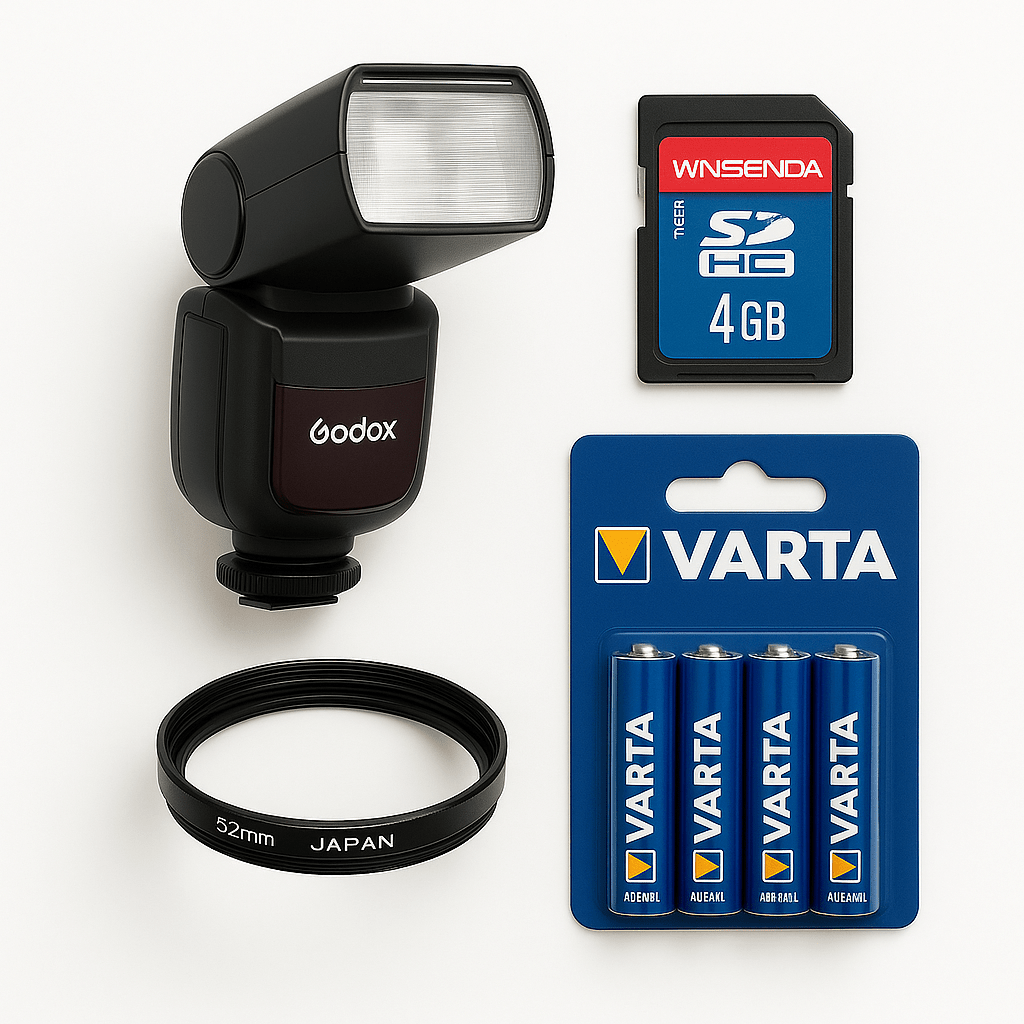
Even though the Canon Ixus 105 is from an earlier era, it works smoothly with many current accessories. For storage, SD or SDHC cards up to 32GB are ideal. This capacity is more than enough for thousands of photos and plenty of short video clips. For the best compatibility and reliability, avoid SDXC cards.
Pair the camera with a good-condition battery and, if possible, an external charger. Keeping a spare battery in your bag means you can treat the Ixus 105 as a main snapshot camera for a full day out.
Carrying, connecting, and complementing your kit
A compact wrist strap or small case from the photography accessories range will protect the camera body and lens from knocks. For transferring files, a simple USB card reader is usually faster and more convenient than connecting the camera directly.
The Ixus 105 also plays well alongside more serious gear: many photographers keep it in a jacket pocket as a “visual notebook” while their main camera stays in the bag. The relaxed, point-and-shoot feel can inspire bolder compositions and more spontaneous moments.
Conclusion: Compact Creativity That Lasts
The Canon Ixus 105 may no longer be a spec-sheet champion, but that’s exactly why it feels so liberating in 2025. It strips photography back to framing, timing, and the joy of pressing a physical shutter. Its CCD sensor, humble zoom lens, and built-in flash combine into a look that phones can only imitate with filters.
As a second-hand purchase, it’s affordable, sustainable, and surprisingly relevant. Treated with care, it becomes a pocket-sized sketchbook for light—perfect for nostalgic snapshots, creative experiments, and anyone who wants to feel that early-digital magic all over again.
FAQs
Is the Canon Ixus 105 still worth buying in 2025? Yes. For creative or nostalgic photography, the Ixus 105 offers an authentic digital look, tactile simplicity, and a very low cost of entry compared to modern cameras.
What memory cards work best in the Canon Ixus 105? Use SD or SDHC cards up to 32GB for reliable operation. Larger SDXC cards may not be fully compatible and are unnecessary for this camera’s file sizes.
How can I achieve the signature digicam aesthetic with the Ixus 105? Embrace its strengths: shoot bright scenes in 4:3 format, use the built-in flash for that classic snapshot feel, and accept noise as part of the charm rather than trying to remove it entirely.
What are common issues to check when buying second-hand? Inspect how smoothly the lens extends and retracts, confirm the flash charges and fires, check the LCD for deep scratches or lines, and make sure all buttons respond consistently.
Curious about giving a classic compact a new life? Explore more second-hand digital cameras, browse our point and shoot selection, and round out your kit with sustainable photography accessories at DutchThrift.com.