


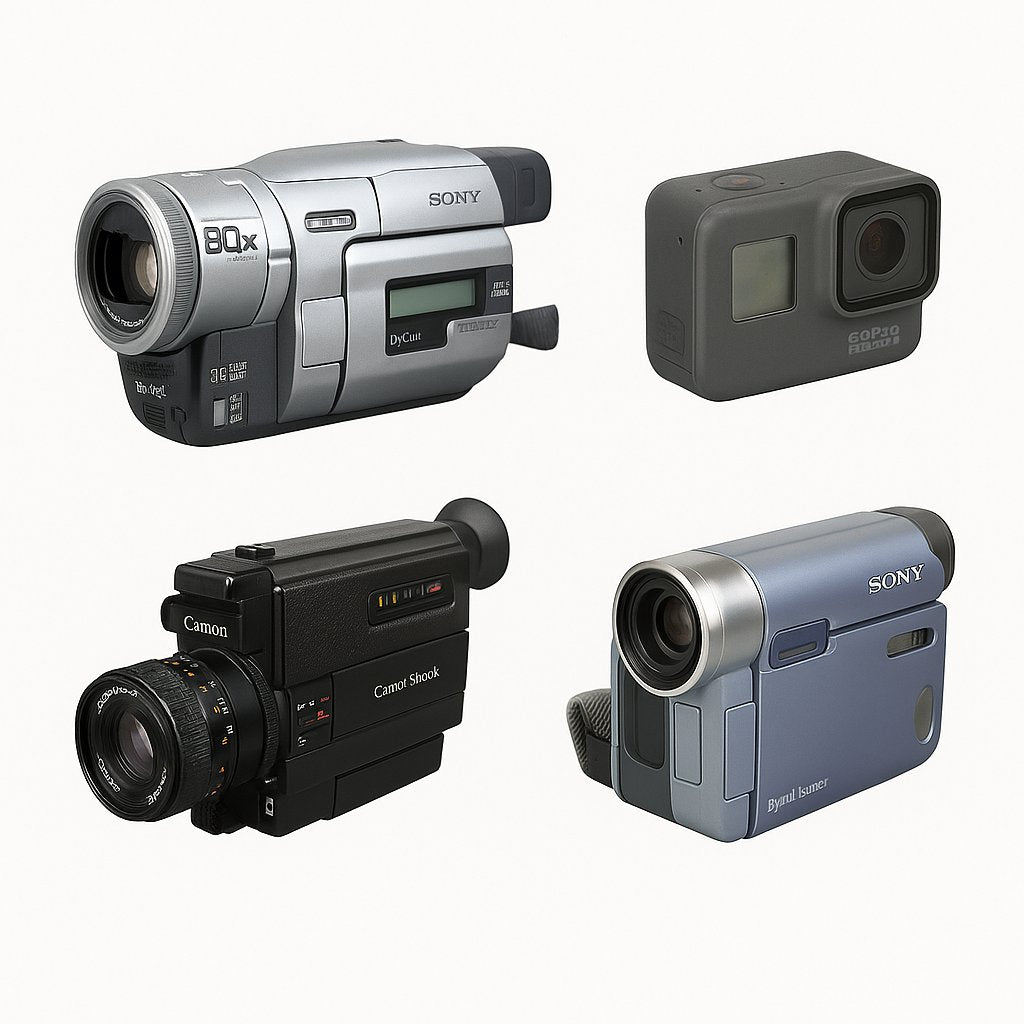

A Compact from a Transitional Era
The Panasonic Lumix DMC‑FS12 comes from a fascinating moment in digital photography: compact cameras were mature, reliable, and genuinely pocketable, yet smartphones had not fully taken over everyday shooting. With its 12.1 MP CCD sensor and straightforward design, the FS12 captures that era’s balance between simplicity and quality.
Unlike today’s feature‑packed devices, this is a camera that does a few things well. Switch it on, frame your scene, half‑press to focus, and shoot. No complex menu trees, no constant firmware updates. For many photographers, that stripped‑back experience is precisely why an older compact like the FS12 still has a place in a modern kit.
The first time I picked up a truly simple digital compact, I stopped worrying about settings and started noticing light: how it slipped across a café table, how a cloudy sky muted colors, how backlight turned people into silhouettes. The camera became less of a machine to manage and more of a quiet excuse to look carefully.
Design and Build: Simple, Tactile, and Pocketable
Minimal controls, maximum portability
The Panasonic Lumix DMC‑FS12 is built around ease of use. A slim metal body, clear buttons, and a small mode dial keep everything intuitive. It slips easily into a jacket pocket or small bag, making it ideal for casual street photography, travel notes, or family snapshots.

The buttons have a positive, clicky feel, and the zoom rocker gives you smooth control over framing. The rear LCD is bright enough for framing and reviewing images, even if it cannot match modern high‑resolution screens. For many users, the tactile simplicity is refreshing—especially compared to shooting with a phone.
Everyday durability
While not weather‑sealed, the FS12 is robust enough for daily use if you treat it with respect. A small wrist strap and a soft pouch will go a long way towards keeping this compact in good shape.
What the 12.1 MP CCD Sensor Brings to Your Images
CCD character and color
At the heart of the Lumix DMC‑FS12 is a 12.1 MP CCD sensor. Compared to today’s CMOS sensors, CCDs often render color and tonal transitions with a smoother, more “vintage” feel. Many photographers appreciate this for portraits, street scenes, and everyday details that look a touch softer and more nostalgic.
To get the best from this sensor, work within its strengths:
- Keep ISO between 100 and 200 for clean images.
- Shoot JPEGs in natural light for richer color.
- Avoid direct harsh light to prevent blown highlights.
- Examine the lens for haze or scratches.
- Test zoom and focus before purchase.
- Verify battery contacts are clean.
- Ensure LCD displays images clearly.
At low ISO, files are more than sharp enough for small prints, photo books, or sharing online. Pushing the ISO higher introduces noticeable noise and loss of detail, but that can be part of the charm if you lean into a grainy, lo‑fi aesthetic.

Modern Creative Uses for the Panasonic Lumix DMC‑FS12
A low‑pressure creative sketchbook
In a world of high‑resolution, multi‑lens phones, the FS12 feels liberating. Its fixed zoom range and simple autofocus push you to work within limits: move your feet, wait for the right moment, and trust the camera. Many creators now use older compact cameras like this as “visual sketchbooks”—a way to gather ideas without the intimidation of a large system camera.
Digital lofi and vintage aesthetics
The FS12 is also a great fit for digital lofi, daily vlogging snippets, or social media projects that embrace a non‑perfect look. The slight CCD color shift, the limited dynamic range, and occasional highlight clipping all add to a nostalgic mood that can be hard to fake with filters.
Buying Second‑Hand: What to Look For
Essential checks before you commit
When shopping second‑hand—whether on DutchThrift or elsewhere—the condition of a compact camera matters more than the specs. For the Lumix FS12, pay particular attention to:
- Lens: Check for haze, fungus, or deep scratches by shining a small light through the glass.
- Zoom mechanism: Cycle the zoom fully in and out to ensure it moves smoothly without grinding or error messages.
- Autofocus: Focus on nearby and distant subjects and confirm the camera locks focus quickly.
- Buttons and dial: Press every button and rotate the mode dial—sticky or unresponsive controls may signal past damage.
- LCD: Look for dead pixels, discoloration, or severe scratches that affect viewing.
- Battery and charger: Confirm that the camera powers up reliably and that a compatible charger is included.
Why buy used from a specialist?
Buying from a dedicated second‑hand store like DutchThrift adds peace of mind. Cameras are checked, cleaned, and described accurately, and you can often find compatible photography accessories—cases, chargers, and memory cards—in one place.
Keeping and Using the FS12 in 2025
Power, storage, and workflow
The good news: batteries and chargers are still available. Generic DMW‑BCF10 batteries work well for everyday use, and simple SD cards make storage straightforward. Transfer images via a card reader and back them up just as you would with any other digital camera.
In practice, this makes the FS12 easy to integrate into a modern workflow. Shoot, copy to your computer or tablet, and do light editing in your preferred app if needed.
Care for longevity
To keep the FS12 running smoothly, store it in a dry place, avoid extreme temperatures, and clean the lens gently with a microfiber cloth. Occasionally remove the battery for long‑term storage and make sure contacts remain free of corrosion.
Why the Lumix DMC‑FS12 Is Still Worth Keeping
No, the Panasonic Lumix DMC‑FS12 will not out‑resolve modern mirrorless cameras, and it will not compete with flagship phones in low light. But that is not the point. What it offers is a focused, distraction‑free shooting experience and a gentle CCD rendering that still feels satisfying in 2025.
As a pocketable companion, a starter camera for a new photographer, or a creative tool for those who enjoy limitations, the FS12 has plenty of life left. In many ways, choosing a well‑cared‑for second‑hand compact like this is also a sustainable decision: you extend the life of perfectly capable gear instead of buying new.
If you are curious about the particular magic of small CCD compacts, the Lumix DMC‑FS12 is an inviting, affordable way to explore it.
FAQs
Is the Panasonic Lumix DMC‑FS12 good for beginners? Yes. It is fully automatic with an intuitive interface, so you can learn composition and exposure basics without being overwhelmed by settings.
Can you still find batteries and chargers for the FS12? Yes. Generic DMW‑BCF10 batteries and compatible chargers are widely available online and work reliably with second‑hand units.
Does the FS12 take good pictures by 2025 standards? While it cannot match the sharpness or dynamic range of modern cameras, its CCD sensor delivers a unique tone and vintage style that many creators find pleasantly nostalgic.
What should I check before buying a second‑hand Lumix FS12? Inspect the lens, zoom mechanism, buttons, and screen, and ensure the battery and charger are included and functioning for the best value.
Ready to give a classic compact a second life? Explore our curated selection of second‑hand compact cameras, browse our wider range of digital cameras, and complete your kit with sustainable photography accessories at DutchThrift.