


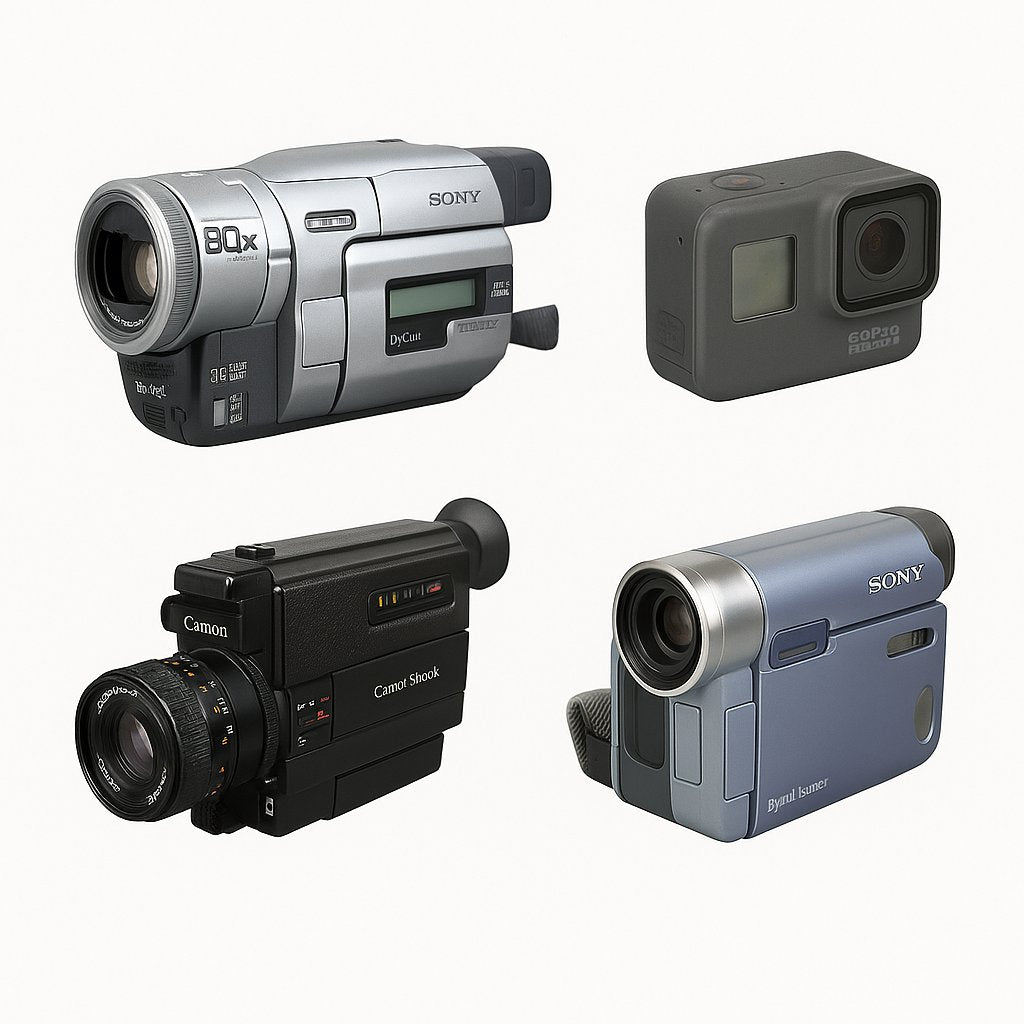

Introduction: The Olympus VG-120 in a Modern Context
The Olympus VG-120 is a compact camera from 2011 that feels surprisingly at home in 2025. In a world of huge smartphone sensors and complex mirrorless systems, this slim point-and-shoot brings something different: simplicity, a CCD sensor look, and the freedom of leaving your phone in your pocket.
For creators who enjoy second-hand digital cameras, the VG-120 offers a low-cost route into dedicated photography. It strips shooting back to framing, timing, and light, while still being capable enough for travel, family events, and everyday visual storytelling.
I still remember my first simple digital camera: tiny sensor, slow autofocus, barely any controls. Yet those limits made every shot deliberate. I learned to wait for the right light, to move my feet instead of zooming, and to embrace the little imperfections that gave each photo character.
Background: The VG-120’s Place in Olympus History
Olympus in the Compact Camera Era
Released around 2011, the Olympus VG-120 sat in the brand’s budget-friendly compact line. It was designed as a slim, stylish everyday camera for people who wanted more than a basic phone but less complexity than a system camera.
While Olympus is best known for its OM film cameras and later Micro Four Thirds mirrorless bodies, the company also produced a wide range of accessible point and shoot cameras. The VG-120 is part of that legacy: a straightforward snapshot tool, with a CCD sensor that now feels pleasantly nostalgic.

Why It Still Matters Today
In 2025, the VG-120 is not about specifications or speed. Its relevance lies in character: the way it renders color, the slightly crunchy detail, and the joy of using a truly pocketable camera you don’t have to baby.
Key Technical Features and Real-World Performance
Core Specs in Everyday Use
The Olympus VG-120 offers a compact zoom lens and a CCD sensor tuned for casual photography. While it won’t compete with modern flagships, it still produces pleasing images when treated with care, especially for prints, photobooks, and social media.
- ✅ Set ISO to 100 or 200 for clean daylight shots
- ✅ Aim to expose for highlights to protect bright areas
- ✅ Keep a wrist strap attached – lightweight body easily slips
- ✅ Store images on Class 10 SD/SDHC cards up to 32 GB
- 🔎 Test zoom and shutter responsiveness before buying
- 🔋 Check battery life and charging connection
- 📸 Inspect lens glass and LCD for major damage
- 💾 Verify SD card slot functionality
In real-world use, keeping sensitivity low and watching your exposure makes the most of the VG-120’s sensor. Bright days, window light, and simple compositions are where this camera feels most at home.

Practical Uses for Creators in 2025–2026
Everyday and Travel Photography
The VG-120 is a strong match for city walks, travel days, and family gatherings. It’s small enough to live in a jacket pocket and unintrusive enough that friends and strangers relax in front of it.
Think of it as a visual notebook: grab quick scenes, textures, and candid portraits without worrying about interchangeable lenses or large camera bags.
Social Media and Creative Projects
The slightly imperfect CCD look translates surprisingly well to modern feeds. With a little post-processing, VG-120 images can feel like a mix of early digital nostalgia and contemporary color grading. It’s a great tool for zines, scrapbooks, and lo-fi content series.
How to Evaluate a Used VG-120 Before Buying
Physical Inspection Checklist
Because the Olympus VG-120 is an older compact, condition matters more than specs. When you handle a used copy, move slowly and test each part:
- Look closely at the front lens for scratches, haze, or fungus.
- Check the rear LCD for deep scratches or large dark spots.
- Power the camera on and off several times to ensure reliability.
- Zoom the lens from wide to telephoto and back, listening for unusual noises.
- Fire several shots to confirm the shutter and focus are responsive.
Battery, Storage, and Accessories
The VG-120 uses a compact rechargeable Li‑50B battery. When buying second-hand, ask whether an original or compatible battery and charger are included, and how long the battery roughly lasts per charge.
Insert a known-good SD or SDHC card (up to 32 GB, Class 10 recommended) and confirm the camera reads and writes files correctly. A faulty card slot can turn a bargain into a headache.
Modern Workflows and Post-Processing Tips
Transferring Photos in 2025
The Olympus VG-120 predates built-in Wi-Fi. Instead, it relies on straightforward physical transfer methods:
- Remove the SD card and use a card reader with your laptop or tablet.
- Or connect the camera via USB cable, if you prefer direct transfer.
Once on your device, you can back up to cloud storage or an external drive, just as you would with files from any other camera.
Editing for a Contemporary Look
Shooting at low ISO and exposing carefully gives you the best starting point. From there, modern editing tools can refine the VG-120’s output:
- Adjust white balance to tame color casts from indoor or mixed lighting.
- Add a light contrast curve while preserving highlights for a filmic feel.
- Apply subtle grain to blend any CCD noise into a cohesive texture.
- Resize and sharpen specifically for web or social platforms.
Pairing a modest camera like this with good photography accessories—such as a wrist strap, case, and reliable SD cards—keeps it practical for daily use.
Conclusion: Compact Creativity Rediscovered
The Olympus VG-120 is not a spec monster, and that is exactly its charm. As a second-hand compact in 2025, it invites you to slow down, keep things light, and rediscover the pleasure of simple photography. Paired with modern editing tools and a mindful shooting style, this 2011 gem still has plenty to offer to today’s creators.
If you’re drawn to the character of CCD sensors and the convenience of a truly pocketable camera, the VG-120 is a compelling, sustainable choice that keeps good gear in use and out of landfills.
FAQs
Is the Olympus VG-120 still reliable for everyday photography? When it’s in good working condition, the VG-120 remains dependable for daylight and travel photography. It’s best suited to well-lit scenes, simple snapshots, and casual creative projects rather than demanding low-light or action work.
Can the VG-120 connect to smartphones or computers easily? The VG-120 does not have wireless connectivity. You transfer files by removing the SD card and using a card reader, or by connecting the camera to a computer with a USB cable. Both methods are simple and widely supported in 2025.
Where can I find batteries and accessories for the Olympus VG-120? The camera uses the Li‑50B rechargeable battery, which is still available from various brands. Compatible chargers, SD/SDHC cards, wrist straps, and protective cases are all standard accessories and easy to source.
Why do photographers still seek cameras with CCD sensors? Many photographers appreciate CCD sensors for their distinctive color rendering and organic texture. Compared to modern CMOS sensors, CCD images can feel slightly more “cinematic” or nostalgic, which suits creative projects, lo-fi aesthetics, and experimental work.
Ready to explore more compact and characterful gear? Browse our curated second-hand digital cameras, discover other point and shoot cameras, and complete your kit with sustainable photography accessories at DutchThrift.com.