


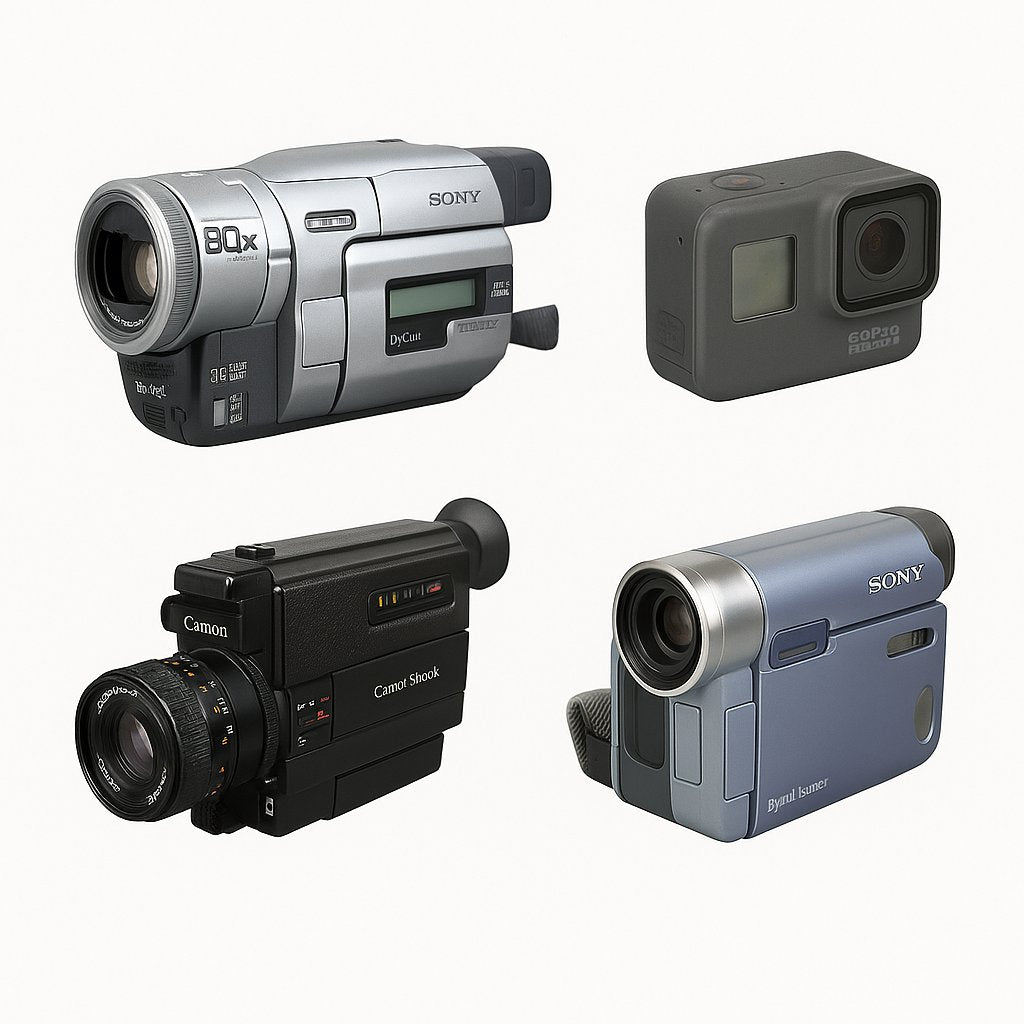

A Brief Look at the Olympus T-100
The Olympus T-100 is a straightforward, entry-level digital compact from the era before smartphones took over casual photography. It offers a simple zoom lens, small CCD sensor, and fully automatic controls in a pocketable body. No manual exposure, no RAW files, no complex menus—just point, shoot, and enjoy the results.
For today’s photographers, a used T-100 sits in an interesting space: it is both a budget-friendly starter camera and a creative tool for those who want an authentic, early-digital aesthetic without filters or presets.

My first point-and-shoot changed everything: suddenly everyday moments—coffee on the table, bikes by the canal, friends at sunset—became little stories I could carry in my pocket.
Technical Simplicity with Character
Automatic operation, minimal decisions
The Olympus T-100 is designed for full automation: the camera sets the shutter speed, aperture, and ISO for you. Scene modes cover the basics—portrait, landscape, night, and macro—so you only need to choose the rough situation you’re in.
There’s no obsession over specs here. Instead, the T-100 offers consistency and ease. It powers on, the lens extends, you frame on the LCD, and you press the shutter. That’s the full workflow.
CCD sensor and nostalgic digital tone
The heart of the T-100 is its CCD sensor, which gives a distinct color palette and highlight roll-off compared with modern CMOS sensors. Colors tend to be punchy yet slightly muted in contrast, with a subtle digital grain when light levels drop.
In a world of ultra-clean smartphone photos, this character stands out. The T-100’s JPEG files can feel like an instant time capsule, especially in street scenes and everyday documentary work.
Why the Olympus T-100 Appeals in 2025
A budget-friendly creative tool
In 2025, the Olympus T-100 is not chasing technical perfection. Instead, it appeals to photographers and artists who value constraint. The limitations of the camera—fixed zoom range, modest resolution, and basic autofocus—encourage you to focus on timing, composition, and story.
Paired with a simple editing style, the files from the T-100 can look unapologetically digital, which is exactly what many creatives are seeking for zines, poster designs, and social media projects.
A sustainable, second-hand choice
Buying a used T-100 keeps a perfectly capable camera in circulation and out of landfill. Instead of another new gadget, you get a durable, compact device that has already proven its longevity.
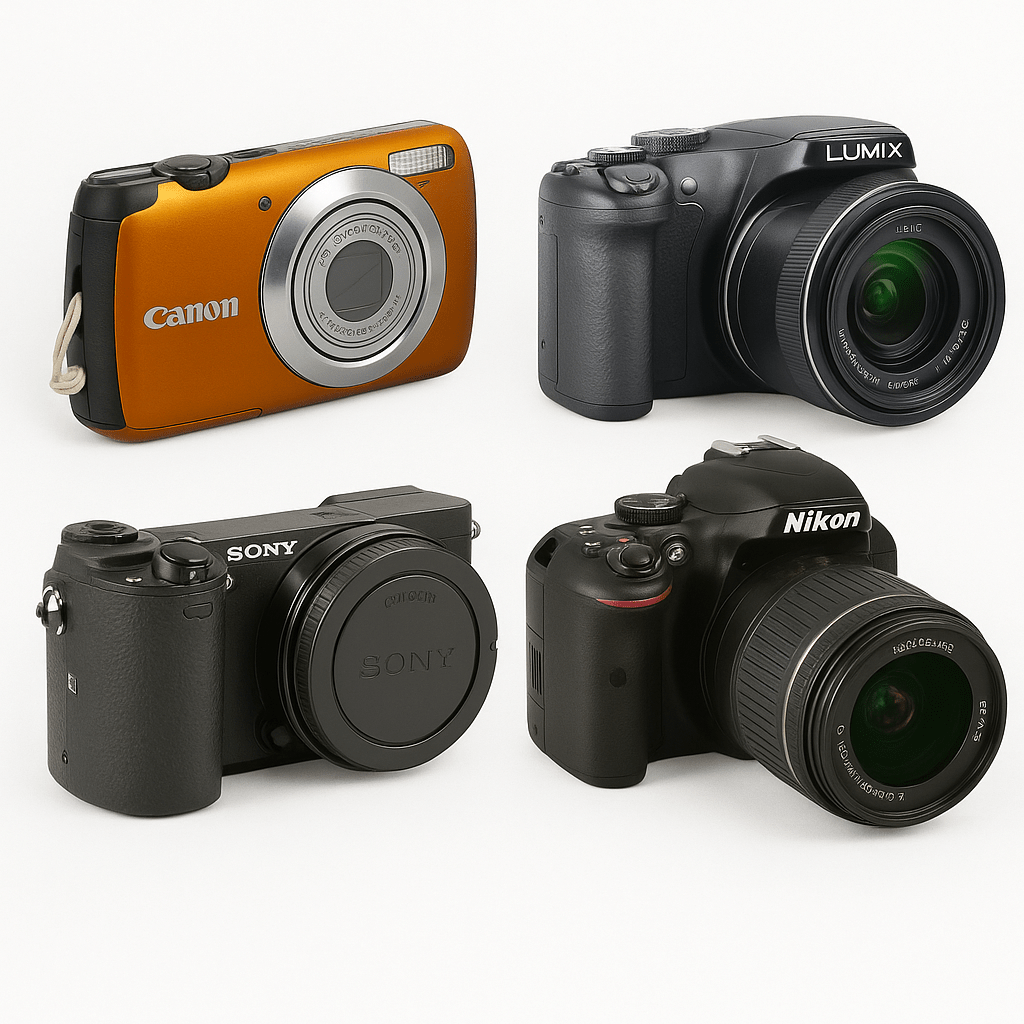
If you enjoy browsing older digital compact cameras, the T-100 is a solid candidate for a “carry everywhere” pocket camera.

Practical Uses and Creative Workflows
Everyday snapshots and family moments
The Olympus T-100 is ideal for daily life: picnics, city walks, holidays, and spontaneous portraits. Its lightweight body makes it easy to toss into a bag or pocket, and its discreet appearance draws less attention than a large DSLR.
Lo-fi digital aesthetics and personal projects
Many photographers are rediscovering early-2000s digital looks. The T-100 delivers this naturally:
- Slightly crunchy detail and noise in low light.
- Bold colors in bright sun without heavy sharpening.
- A subtle, retro digital texture even before editing.
Transfer the JPEGs via SD card, then apply only minimal adjustments—gentle contrast, small color shifts—to preserve that nostalgic character.
Basic video and time capsules
While limited compared with modern video cameras, the T-100 can still record simple clips. Set it on a small tripod for family events, casual vlogs, or behind-the-scenes footage. The low resolution and straightforward sound become part of the charm—more home video than cinematic masterpiece.
Buying a Used Olympus T-100: What to Check
Functional checks before you commit
When you are considering a used Olympus T-100, it’s worth going through a short checklist to avoid surprises later:
- Lens extends and retracts smoothly.
- LCD free of dead pixels or delamination.
- Flash fires consistently.
- Battery holds charge for 10–20 shots.
- SD slot accepts card without error.
- Check battery door for durability.
Image quality tests
Take a handful of test photos in different situations: daylight outdoors, indoors with flash, and a close-up object. Review them on a computer rather than only on the camera’s LCD to check for unexpected soft corners, sensor spots, or strange color shifts.
Essential Accessories for Smooth Shooting
Memory cards, batteries, and power
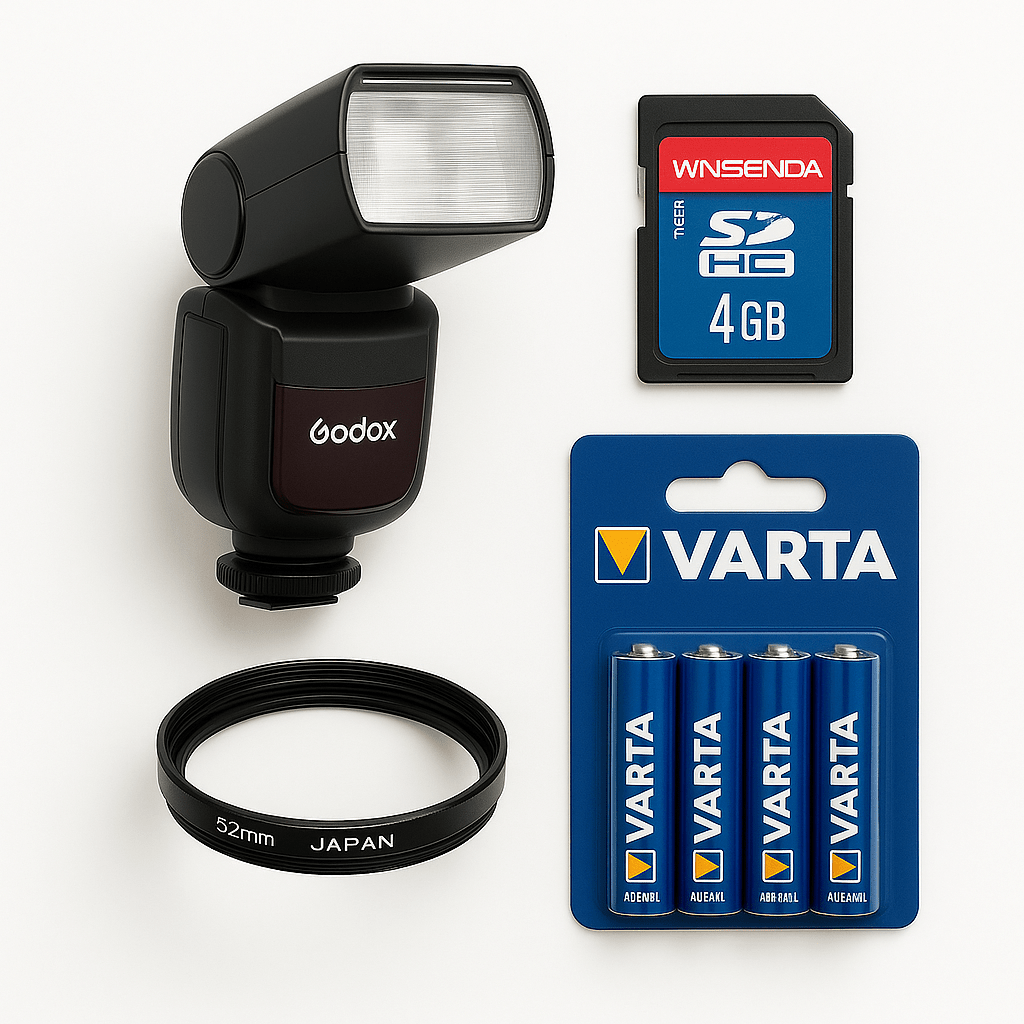
The Olympus T-100 uses SD and SDHC cards, typically up to 32GB. Larger, modern SDXC or UHS-II cards can be unreliable, so sticking with modest-capacity SD/SDHC is safer and more than enough for JPEG-only shooting.
For power, the camera takes an LI-70B battery. Third-party replacements are easy to find, and pairing them with a simple universal charger gives you a reliable setup for day trips.
Support and extras
To get the best out of the T-100, especially in low light or for video, a few small additions help a lot:
- Shoot in bright natural light for best results.
- Keep ISO low to maintain color accuracy.
- Use a small tripod for video or low light shots.
- Transfer JPEGs via SD card and edit subtly for retro texture.
Most of these items can be found among general photography accessories and will work across several cameras, not just the T-100.
Rediscovering the Joy of Limitations
The Olympus T-100 is not about chasing megapixels or advanced autofocus. Its value lies in the way it slows you down and simplifies your decisions. You frame a scene, trust the camera, and accept the imperfections as part of the image’s personality.
In an era of feature-heavy gear, picking up a small, used compact like the T-100 can feel surprisingly freeing. Whether you’re learning photography for the first time or looking for a fresh creative spark, this humble camera offers a charming, sustainable way to see the world anew.
FAQs
Is the Olympus T-100 still usable in 2025? Yes. It works well for casual and creative photography, especially in good light. Its older CCD technology gives photos a distinct, nostalgic look that many people now seek out deliberately.
What memory cards work with the Olympus T-100? The T-100 supports SD and SDHC cards up to 32GB. For best compatibility, avoid newer SDXC or UHS-II cards, which may not function reliably.
Can I replace the Olympus T-100 battery easily? Yes. The camera uses a compatible LI-70B battery, and third-party versions plus universal chargers are widely available and affordable.
What makes the Olympus T-100 unique today? Its CCD sensor, simple operation, and naturally nostalgic digital tone make it appealing to artists and photographers exploring retro styles without relying on filters.
Ready to experiment with this style of photography? Explore more used point-and-shoot cameras and find a compact companion that fits your everyday life.