



A Compact Classic: Background on the Olympus OM10 Quartz
The Olympus OM10 Quartz sits in a sweet spot of 35mm camera history: compact, reliable, and refreshingly simple. Designed as a more accessible sibling to the professional OM-series bodies, it brought Olympus’s elegant design and optics to a wider audience of film shooters.
The “Quartz” in its name refers to the quartz-timed electronic shutter, which offers more accurate, consistent exposures than many purely mechanical cameras of its era. Instead of overwhelming you with controls, the OM10 Quartz focuses on intuitive aperture-priority operation, letting you concentrate on composition and timing rather than wrestling with settings.
The first time you pick up a vintage SLR like the OM10, the weight, cold metal, and gentle resistance of the shutter release change everything. The tactile click of the aperture ring and the smooth travel of the focus throw slow you down—in a good way. Every frame starts to feel intentional rather than disposable.
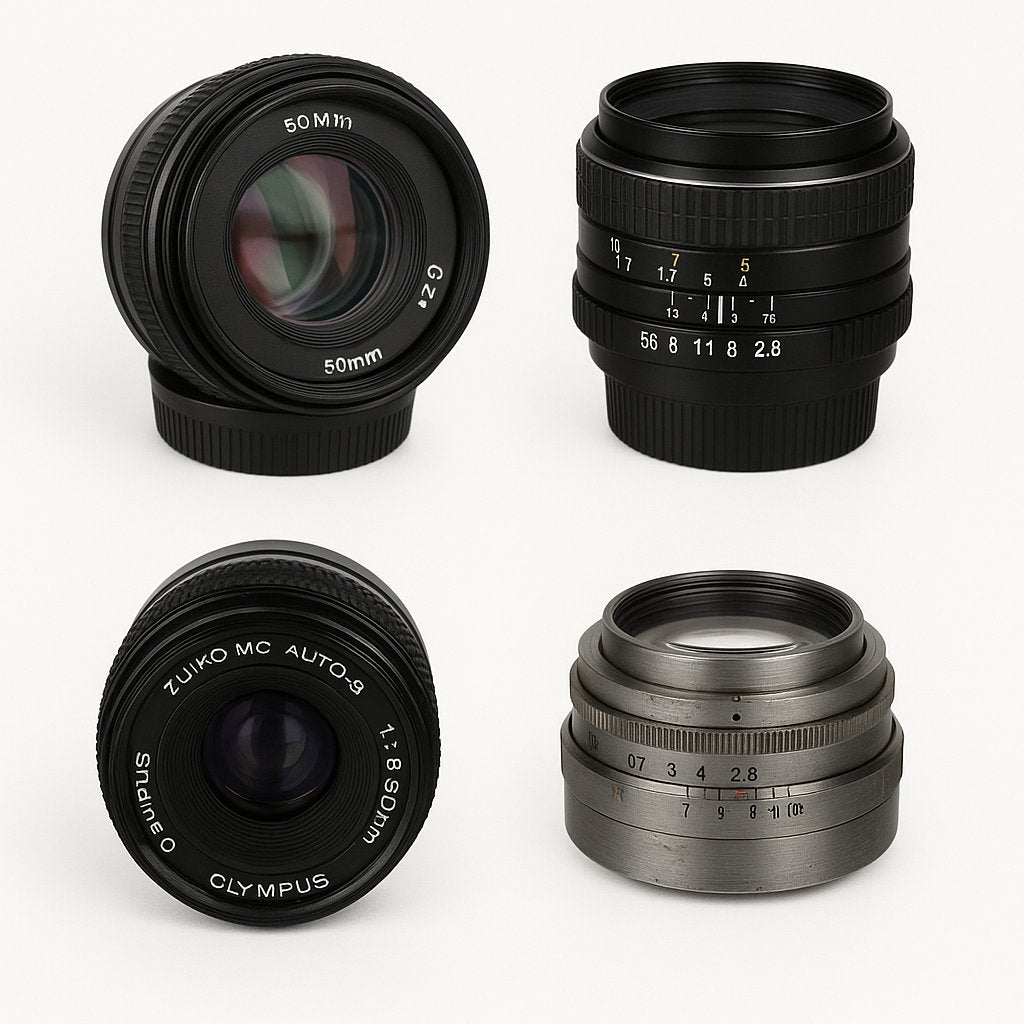
Paired with the Zuiko 50mm f/1.8 lens, the OM10 Quartz becomes a versatile everyday companion: light enough to carry everywhere, yet capable of producing images with a timeless, characterful look.

Core Features and Shooting Experience
Compact body, big capabilities
The OM10 Quartz inherits the slim, ergonomic OM-series design. The body is noticeably smaller than many other SLR film cameras, making it comfortable for long days of shooting on the street or while traveling.
- 35mm SLR with Olympus OM mount
- Quartz-timed electronic shutter
- Aperture-priority autoexposure as standard
- Bright optical viewfinder with clear exposure indication
The 50mm f/1.8: a classic normal lens
The bundled 50mm f/1.8 lens is where the magic happens. At f/1.8 it offers shallow depth of field and smooth background blur for portraits, while stopped down to f/5.6–f/8 it becomes razor sharp for landscapes and everyday scenes.
The manual focus ring is well-damped, allowing precise focusing even in low light. The aperture ring clicks confidently into place, encouraging you to think about how each f-stop will affect the mood and depth of your image.

Metering and quartz-timed shutter
With fresh SR44 or LR44 batteries installed, the OM10 Quartz offers reliable metering and shutter timing. In aperture-priority mode, you set the aperture on the lens and the camera selects the appropriate shutter speed automatically, shown in the viewfinder.
Why It Still Matters for Modern Film Shooters
A gentle learning curve for beginners
For photographers coming from digital, the OM10 Quartz is an inviting way to enter the world of analog. You keep control over aperture and focus, but let the camera assist with shutter speed. This hybrid approach teaches the fundamentals without overwhelming you.
Its compact size also makes it less intimidating than chunky pro bodies. Paired with a single prime lens, it encourages you to move, experiment with angles, and think more about timing and light.
Timeless results with a sustainable twist
Choosing a used OM10 Quartz and 50mm f/1.8 is not only budget-friendly—it is inherently sustainable. Extending the life of high-quality vintage gear reduces the demand for new production and keeps classic cameras in circulation rather than on a shelf.
Essential Buying Guide for a Used Olympus OM10 Quartz
What to bring and what to check
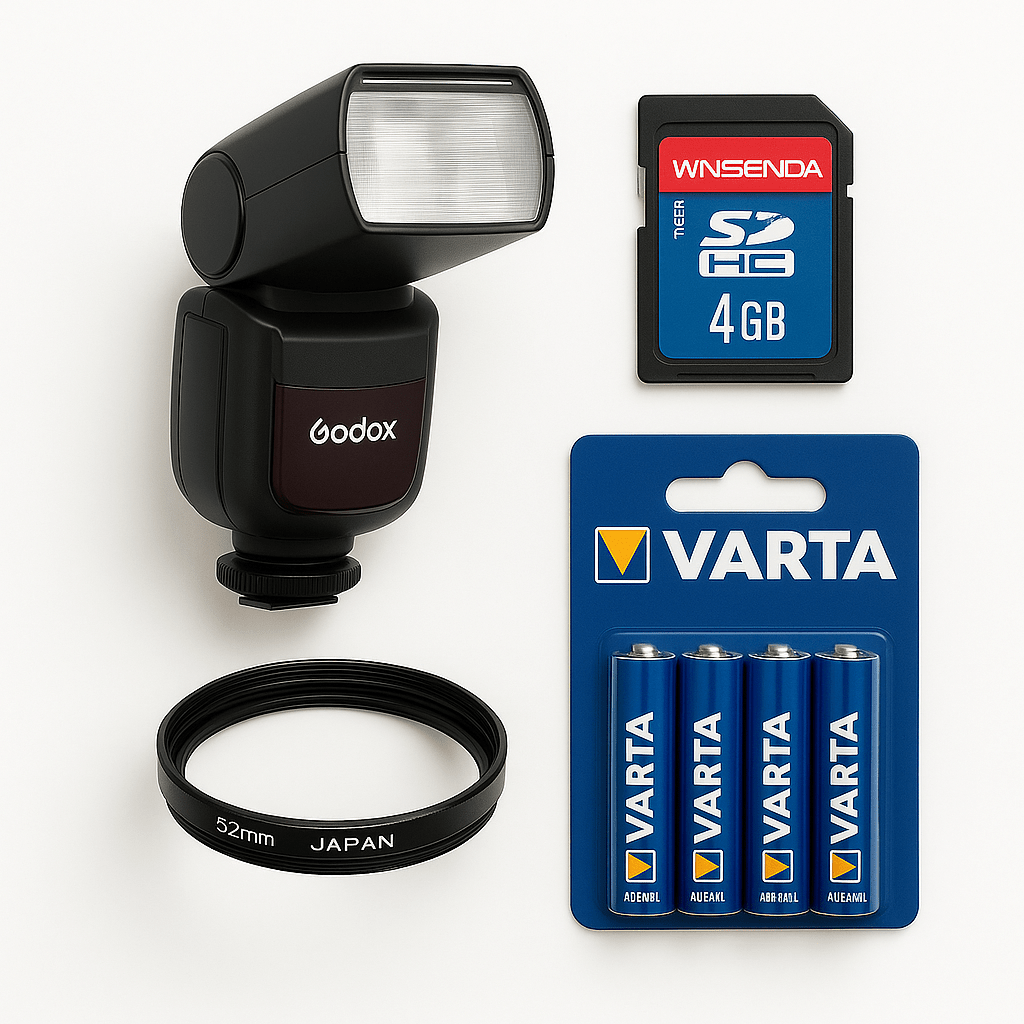
When inspecting a used OM10 Quartz in person, a little preparation goes a long way. Bring a set of fresh SR44 (or LR44) batteries so you can properly test the camera’s electronics and shutter behavior.
- ✅ Bring SR44 batteries to test the meter and shutter.
- ✅ Verify smooth shutter action across speeds.
- ✅ Look for clean optics and intact foam seals.
- ✅ Ensure the film advance and rewind levers operate fluidly.
Body condition
Inspect the top and bottom plates for dents or heavy brassing, which may indicate rough use. Test the shutter release, film advance lever, and rewind crank; they should feel smooth and positive, not gritty or stiff. Check inside the film chamber for corrosion or broken parts.
Lens condition
Hold the 50mm f/1.8 up to a light and look through it from both ends. You want clean glass with minimal dust, no haze, and no fungus. Rotate the focus ring from minimum to infinity—focus should be even and smooth, without grinding or play.
Testing exposure and metering
With batteries installed, look through the viewfinder and half-press the shutter release. The meter should respond as you point from bright to dark areas, and as you change your aperture. Dry-fire the camera at different shutter speeds and listen for a change in timing.
Creative Ways to Use the Olympus OM10 Quartz Today
Street and everyday storytelling
The combination of small body and 50mm field of view makes the OM10 Quartz ideal for street and documentary-style shooting. Aperture priority helps you react quickly, while the bright viewfinder keeps you connected to the scene.
Portraits with character
Open the 50mm f/1.8 wide and let backgrounds melt away. On color negative film, you get a soft, nostalgic look; on black-and-white, the lens renders smooth tones and crisp subject separation. Manual focus forces you to connect with your subject and slow down, often leading to more authentic portraits.
Experimenting with film stocks
The OM10 Quartz pairs beautifully with everything from punchy color films for travel to grainy black-and-white stocks for moody, low-light scenes. Because the camera is so straightforward, it becomes a stable platform for exploring how different films respond to light and exposure.
Conclusion: A Bridge Between Eras
The Olympus OM10 Quartz with 50mm f/1.8 lens is much more than an entry-level film camera. It is a compact, thoughtfully designed tool that connects the tactile joy of analog photography with the needs of modern shooters who value simplicity and sustainability.
Whether you are taking your first steps into film or adding a nimble second body to your kit, the OM10 Quartz rewards careful use with images full of character. And because it uses the Olympus OM mount, it opens the door to a whole ecosystem of classic camera lenses and creative possibilities.
If this kind of hands-on, intentional photography appeals to you, exploring the wider world of analog cameras can be an inspiring next step.
FAQs
Does the Olympus OM10 Quartz work without batteries? No. The OM10’s quartz-timed shutter and metering require SR44 or LR44 batteries for correct operation.
Can I shoot fully manual with the Olympus OM10 Quartz? Only with the Manual Adapter accessory, which enables control over shutter speeds manually.
What lens mount does the OM10 Quartz use? It uses the Olympus OM mount, compatible with Zuiko lenses and modern adapters for many mirrorless systems.
Is the OM10 suitable for beginners? Yes. Its aperture-priority autoexposure and compact design make it an accessible introduction to 35mm photography.
Ready to start (or continue) your film journey? Explore our curated selection of analog cameras and camera lenses to find a sustainable, second-hand setup that fits your style.