



A Brief History of Kodak ColorPlus 200
Kodak ColorPlus 200 (135‑36) is one of those humble films that quietly survived digital disruption. Marketed as an affordable, consumer‑grade color negative film, it was designed for family snapshots and everyday cameras rather than studio work. Yet, in the hands of modern photographers, it has become a beloved “always‑in‑the‑bag” stock.
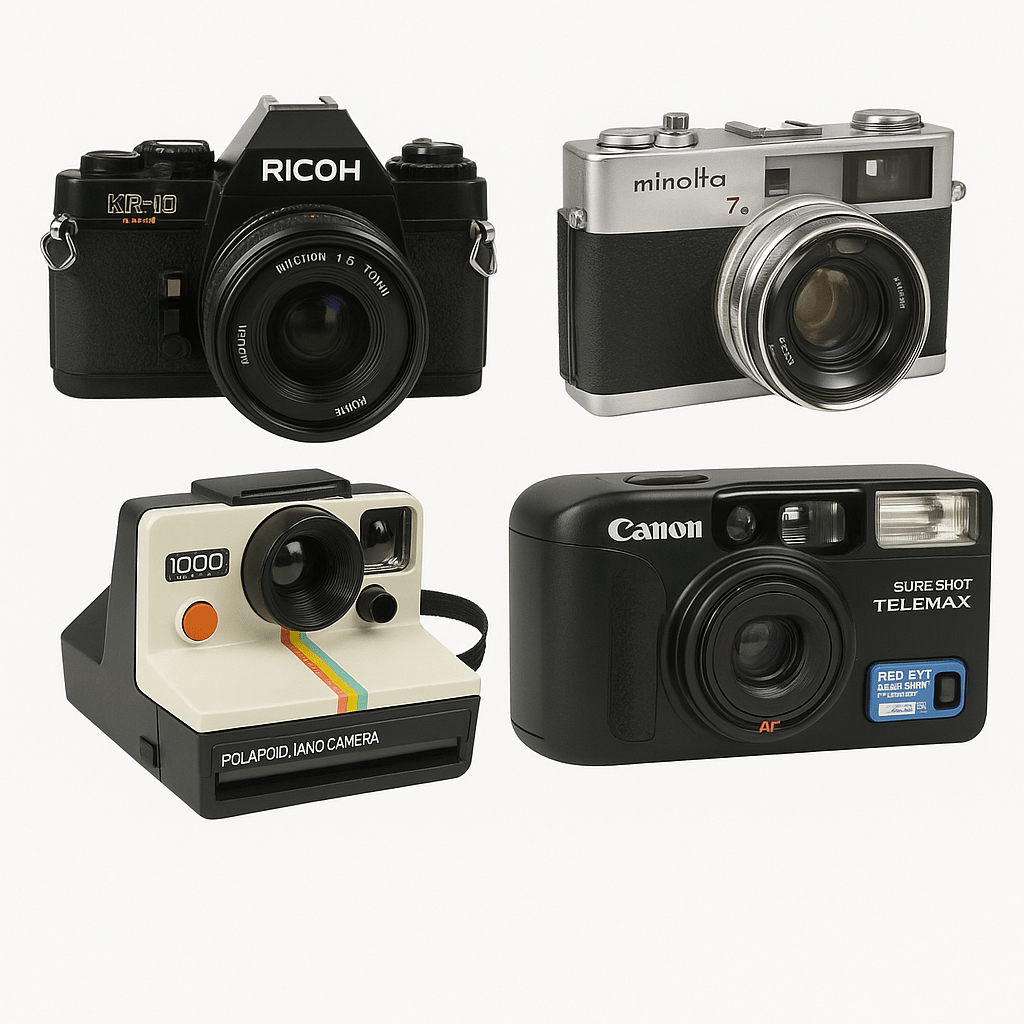
ColorPlus draws on Kodak’s long heritage of color negative emulsions. It is often considered a sibling to Kodak Gold, with a slightly different palette and a strong emphasis on ease of use. Where some films demand perfect metering, ColorPlus is designed for the real world: cheap point‑and‑shoots, slightly leaky thrift‑store bodies, and well‑used SLR film cameras that have seen decades of shooting.
As analog photography has resurged, ColorPlus 200 has found a second life. Creators appreciate its mix of reliability and character, making it an accessible entry point into 35mm film that still offers a distinctly “film” look.
The first time I rediscovered a forgotten roll of ColorPlus at the bottom of a camera bag, the developed photos felt like opening a time capsule from a softer era: sun‑bleached afternoons, slightly faded colors, and a quiet, honest warmth that no preset could imitate.
Key Characteristics and Shooting Personality
Warm, Friendly Color Palette
ColorPlus 200 is known for its warm bias. Skin tones lean inviting and natural, skies take on a soft cyan, and foliage appears richer rather than hyper‑saturated. The look is nostalgic without being overly vintage, making it excellent for everyday storytelling.
Forgiving Exposure & Fine Grain
With an ISO rating of 200, ColorPlus strikes a balance between detail and flexibility. It tolerates minor exposure errors gracefully, especially when overexposed slightly, and its grain structure remains fine enough for large prints or high‑resolution scans.
Checklist for Best Results
- ✔ Set ISO manually to 200 (or 100 for softer look)
- ✔ Overexpose by +1 stop for smooth highlights
- ✔ Use C‑41 processing or home kits
- ✔ Store film in a cool, dry place before use
- ✔ Scan at high resolution to preserve film character
- ✔ Look for sealed rolls without dents or rust
- ✔ Verify expiration date and batch code
- ✔ Avoid heat‑ or moisture‑damaged stock
- ✔ Choose reputable sellers with cold storage
Modern Creative Uses for ColorPlus 200
Everyday Life, Travel & Street
ColorPlus 200 thrives in good light. It is ideal for city walks, weekend trips, and documenting daily rituals. The warm palette flatters skin and architecture alike, and the moderate contrast keeps detail in both faces and backgrounds, even in mixed lighting.
Portraits with Character
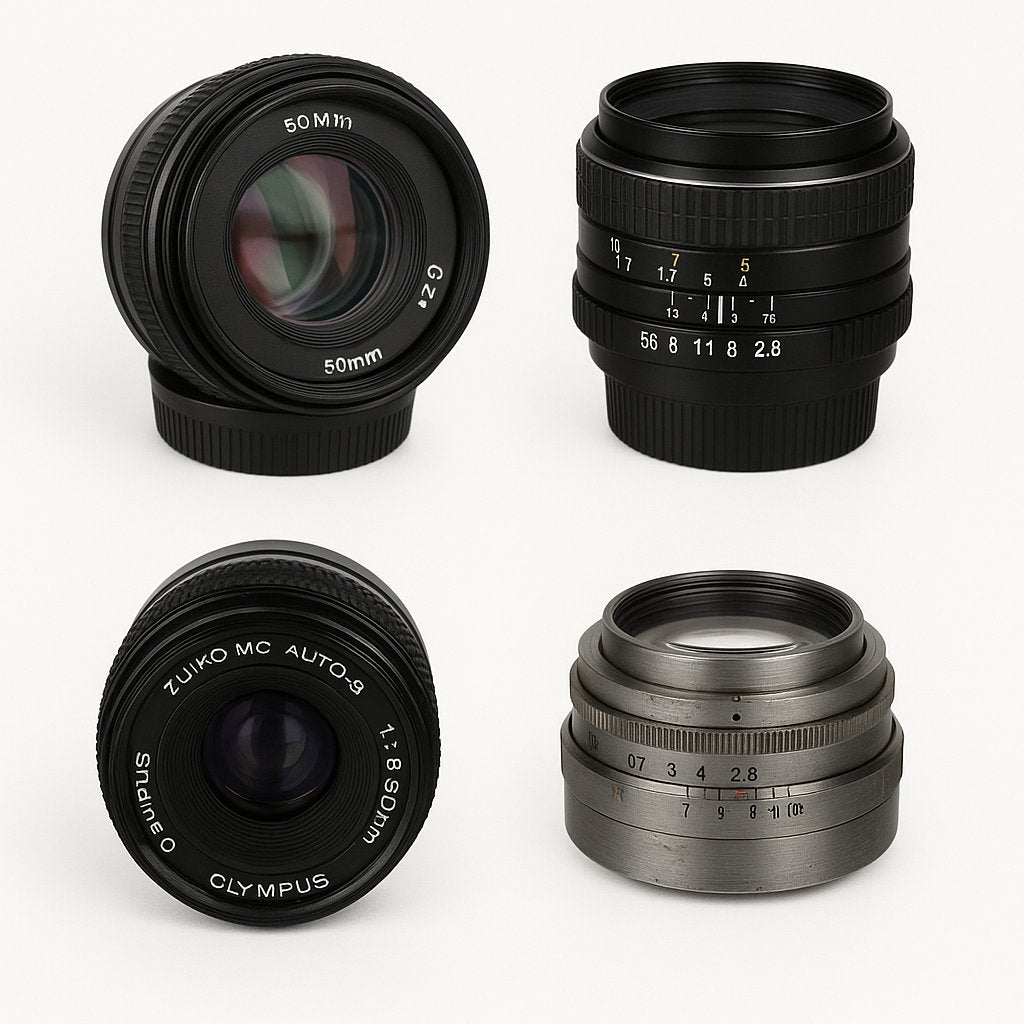
In portraits, ColorPlus softens harsh light and adds gentle warmth. Combined with a 50mm or 85mm lens on classic analog cameras, it gives an approachable, human look that digital often struggles to replicate without heavy editing.
Experimental Scanning & Hybrid Workflows
Digitally scanning ColorPlus negatives opens up further creative control. You can keep the traditional warm look or gently adjust color balance for cooler tones while still preserving film grain and highlight roll‑off. This makes ColorPlus an excellent bridge between analog capture and digital editing.
Practical Shooting Tips & Recommended Setups
Recommended Cameras & Lenses
ColorPlus 200 works flawlessly in almost any 35mm camera: from compact point‑and‑shoots to fully manual SLR film cameras. For a balanced setup, combine it with a 35mm or 50mm prime around f/1.8–f/2.8 to handle indoor light and shallow depth of field.
Exposure Strategies
Set your camera’s ISO to 200 in bright conditions. For a softer, pastel look, some photographers rate ColorPlus at ISO 100 and meter accordingly. Overexposing by about one stop often yields smoother highlights and cleaner shadows.
Workflow & Handling
ColorPlus uses the ubiquitous C‑41 process, so most labs can handle it quickly and cheaply. If you enjoy DIY, home C‑41 kits offer a repeatable, sustainable way to develop multiple rolls at once, especially when you shoot regularly.
How to Buy Kodak ColorPlus 200 Second‑Hand
What to Look For
Second‑hand film can be a budget‑friendly way to shoot more. Prioritize sealed, undamaged boxes and canisters. Check for dents, rust, or signs of moisture on the metal cassettes. Ask about storage history and look closely at expiration dates and batch codes.
Well‑stored, expired ColorPlus—especially film kept refrigerated—can still deliver beautiful, slightly mellowed colors that suit nostalgic projects.
Where to Buy Responsibly
Choose sellers who are transparent about storage and history and who specialize in analog gear. Shops that already curate sustainable, second‑hand photography accessories and cameras are more likely to understand how fragile film can be and treat it accordingly.
Why ColorPlus 200 Still Matters
In an age of ultra‑sharp sensors and endless editing tools, Kodak ColorPlus 200 reminds photographers that storytelling does not require perfection. Its charm lies in slight imperfections: the grain that shows through in the sky, the warm bias that gently flatters skin, the way overexposure glows rather than clips.
For beginners, it offers an accessible, forgiving way to learn analog exposure. For experienced shooters, it is a reliable everyday stock that keeps costs manageable while preserving the unmistakable feel of 35mm film. Whether you are loading a first thrifted camera or adding to a seasoned kit, ColorPlus 200 earns its place as a quiet classic.
FAQs
Is Kodak ColorPlus 200 good for beginners? Yes. It is forgiving, affordable, and works in nearly all 35mm cameras, making it ideal for learning manual exposure or testing analog workflows.
Can I still get Kodak ColorPlus 200 developed easily? Absolutely. It uses the standard C‑41 process offered by most labs and compatible with popular home development kits.
How should I store Kodak ColorPlus 200? Keep rolls in a cool, dry place or refrigerate them for long‑term storage, and always avoid humidity and direct heat to prevent color shifts.
Does expired ColorPlus still work? Expired rolls can still be very usable if stored cold, though you may see warm color shifts and reduced contrast—often a desirable vintage character for certain projects.
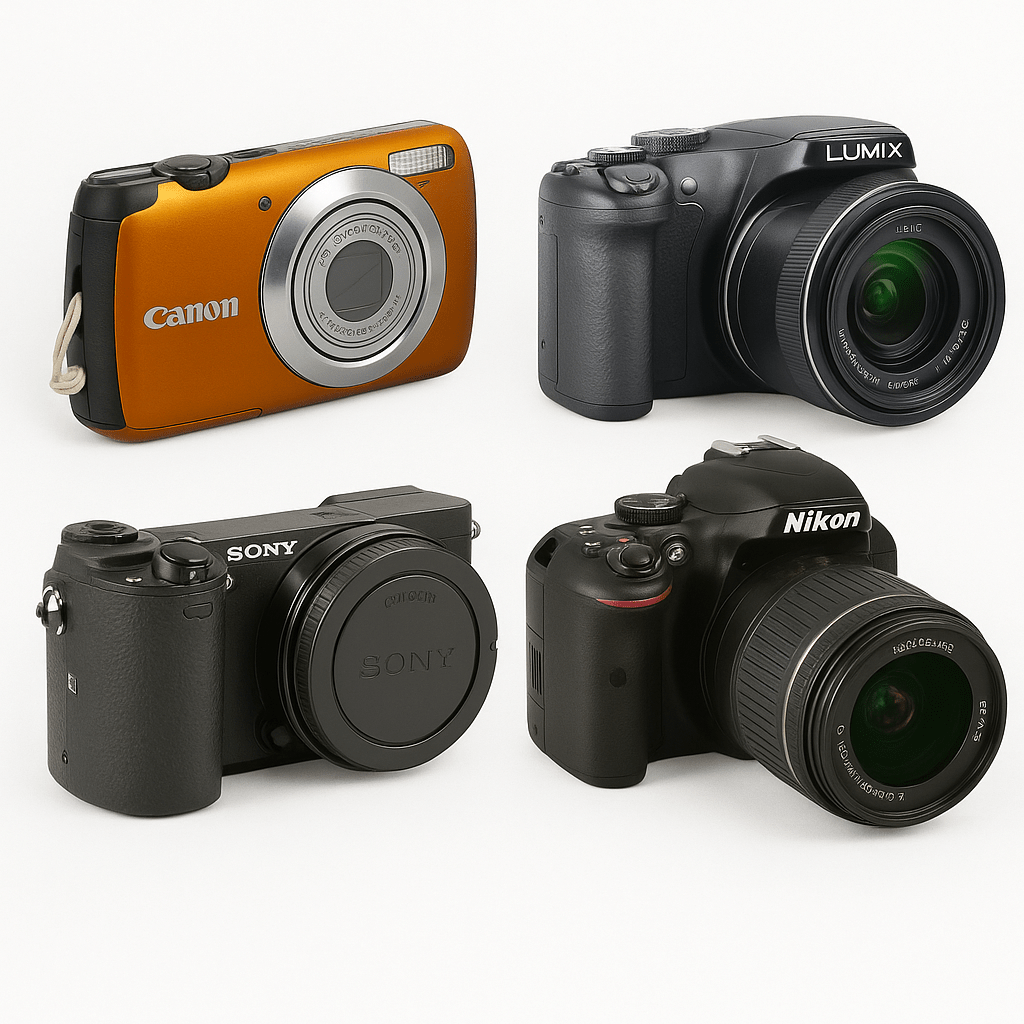
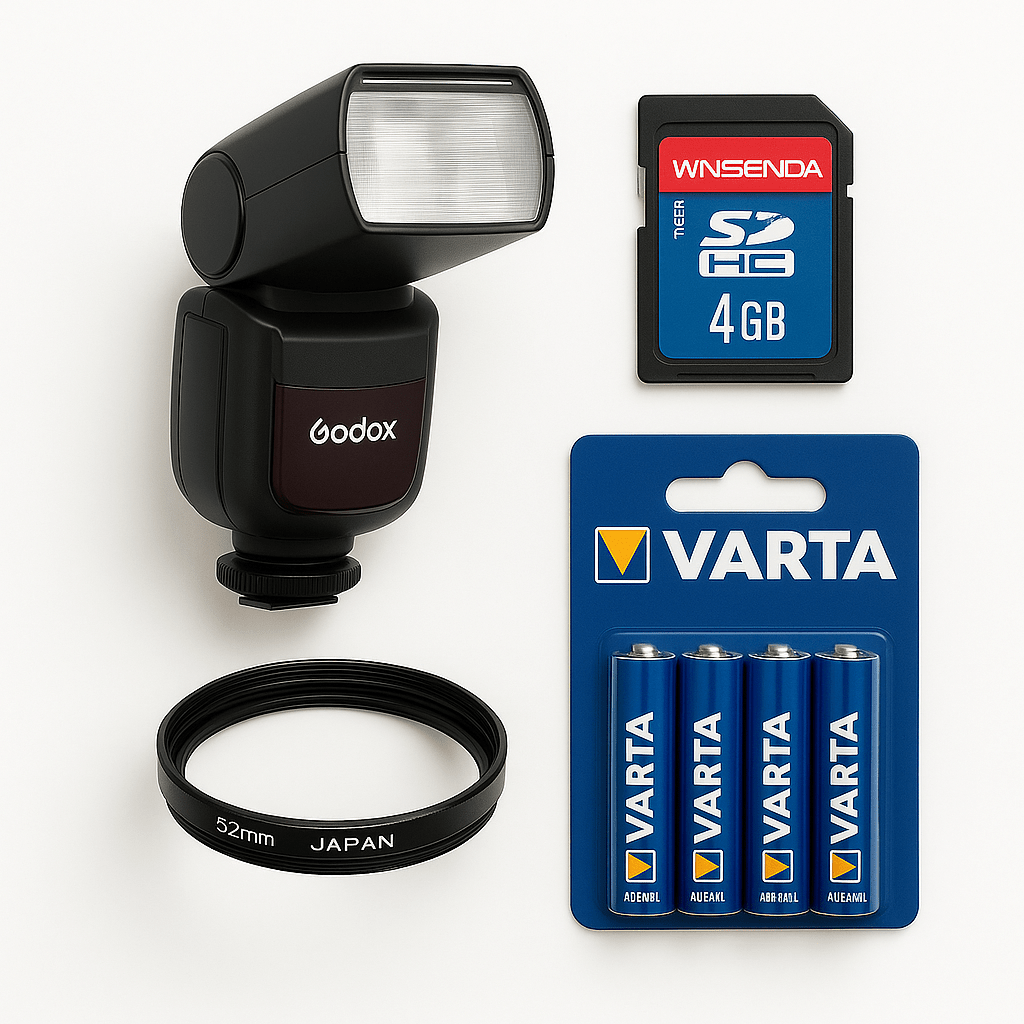
Ready to give Kodak ColorPlus 200 a home in your camera bag? Explore our curated selection of second‑hand analog cameras, trusted SLR film cameras, and sustainable photography accessories to build your perfect everyday film setup.