



A Brief History of the Fujifilm FinePix S602Z
The Fujifilm FinePix S602Z arrived at a turning point in digital photography. DSLRs were still expensive, compact cameras were gaining momentum, and “bridge” cameras like the S602Z were created to connect those two worlds. It offered serious manual control and a hefty body, but without the complexity or price of an interchangeable-lens system.
Fujifilm built the S602Z around a bright fixed zoom lens and a CCD sensor that quickly gained a reputation for punchy color and detailed files. For many photographers, this was their first taste of RAW shooting, manual focus rings, and chunky handgrips that felt closer to film SLRs than to pocket point-and-shoots.
The first time you cradle a bridge camera like the S602Z, you notice the weight and the knurled zoom ring under your fingers. It feels like a film SLR that just happens to light up when you half-press the shutter, blending clicky analog-style dials with the instant reassurance of a glowing LCD and histogram.

Key Technical Characteristics Explained Plainly
CCD sensor with a distinct look
The S602Z uses a CCD sensor, a technology that has mostly disappeared from modern consumer cameras. In practice, this means images often have a warm, contrast-rich character that many photographers describe as “painterly.” It’s less clinically sharp than modern CMOS sensors, but that’s exactly the charm for retro digital fans.
Fixed zoom lens and manual-style controls
The non-interchangeable zoom lens covers everyday focal lengths, from wide scenes to tighter portraits, with a physical zoom ring and a separate focus ring on the barrel. Aperture, shutter speed, and exposure compensation are controlled through dials and buttons, encouraging deliberate shooting rather than spray-and-pray bursts.
Power, storage, and connections
The camera runs on standard AA batteries, which are easy to replace anywhere in the world. For storage, the S602Z uses CompactFlash or Microdrive media, both of which are still obtainable second-hand. USB and video outputs allow you to review images on older displays or transfer directly to a computer that still supports legacy ports.
Who the S602Z Appeals to in 2025
Curious learners and students
For beginners, the S602Z is a low-risk way to understand exposure, focusing, and composition. The fixed lens removes the pressure of choosing lenses, while the manual controls mirror what you would find on larger systems. It’s an affordable training ground before moving on to other digital cameras.
Retro digital fans
If you love early digital aesthetics, this camera is a time machine. The combination of CCD color, slightly chunky noise at higher ISO, and the classic interface delivers a distinctly early-2000s feel that’s now being rediscovered as a creative tool rather than a technical limitation.
Experimenters and artists
Because it is affordable on the second-hand market, the S602Z invites experimentation—long exposures, intentional blur, or in-camera JPEG looks. You can push the files in post or embrace the imperfections straight out of the camera.
Creative Use Cases for the Modern Photographer
Street and everyday storytelling
The substantial grip and fast-access zoom ring make the S602Z a natural for candid urban scenes. Its age works in your favor: it looks non-threatening compared to modern pro bodies, so people often ignore it, letting you work more discreetly.
Learning manual and semi-manual modes
Use aperture-priority to explore depth of field, then manual mode to fine-tune your exposure. Watch the digital feedback on the LCD as you adjust settings—that immediate cause-and-effect loop accelerates learning in a way that film cannot.
Educational workshops and community darkrooms
Community photo spaces and schools can use a small fleet of S602Z bodies to teach foundational skills while keeping budgets and environmental impact under control. Reusing second-hand gear means fewer new electronics being produced.

How It Stands Against Today’s Options
Compared with current mirrorless cameras and smartphones, the S602Z is obviously slower, noisier at higher ISO, and limited in resolution. Autofocus feels deliberate rather than instant, and the electronic viewfinder is modest by modern standards.
Yet these constraints can foster more intentional photography. You think harder about each frame, pay attention to light, and accept that not every scene will be technically perfect. The reward is a unique visual signature from the CCD sensor and the tactile experience of working with a physical zoom lens.
For everyday social media snapshots, your phone may be more convenient. But for learning, experimentation, and a different look, the S602Z holds its own surprisingly well in 2025.
Practical Tips and Accessories
Power and memory
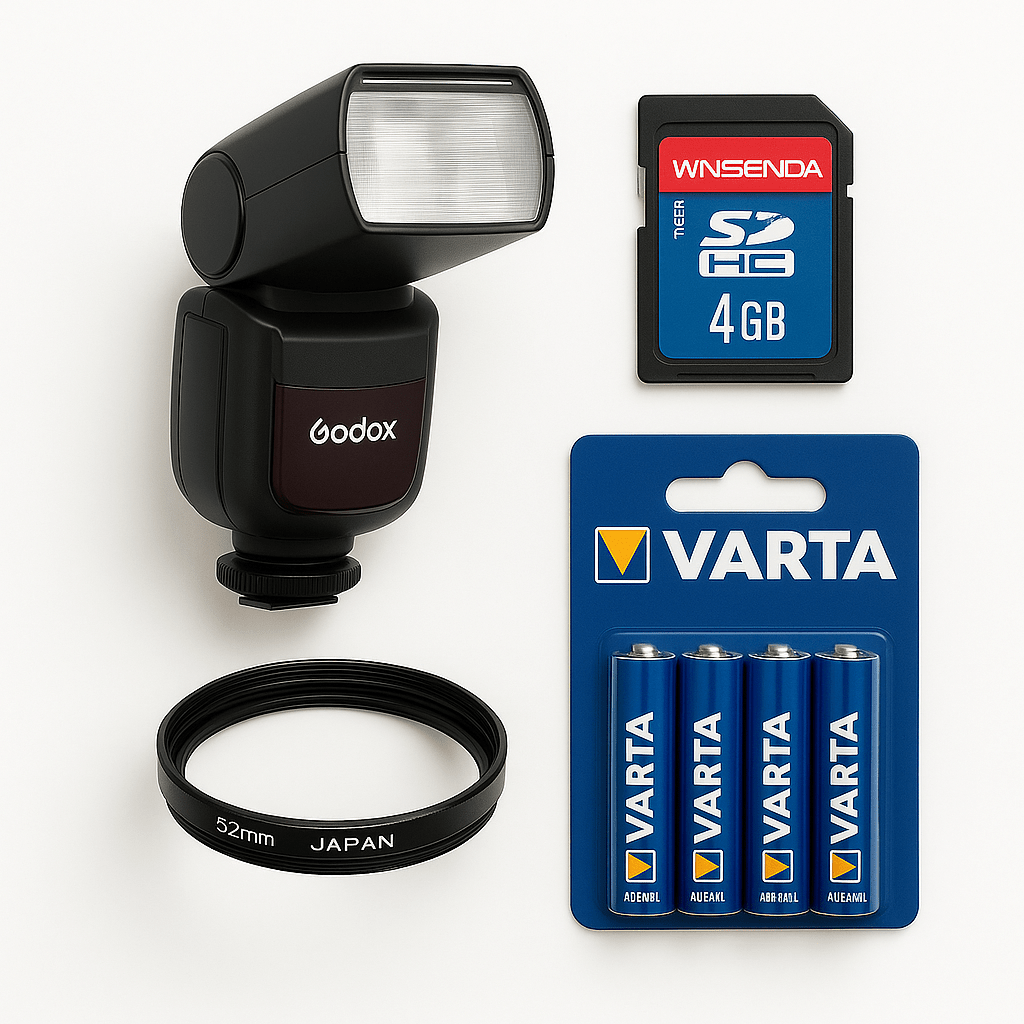
Use fresh, high-quality rechargeable AA batteries for consistent performance, and keep a spare set in your bag. Stick to reliable CompactFlash cards and format them in-camera before important shoots.
Comfort and handling
A padded, period-correct camera strap distributes the weight comfortably during long walks and adds to the nostalgic experience. A simple pouch or small shoulder bag will protect the camera body while keeping it ready to shoot.
Supporting accessories
Classic tripods, lens cloths, and small pouches from our curated photography accessories selection pair well with the S602Z, letting you build a sustainable, second-hand kit around a single camera body.
Checklist for Buying Second-Hand
When you evaluate a Fujifilm FinePix S602Z on the second-hand market, run through this quick checklist before committing:
- ✔ Check lens rings for smooth movement.
- ✔ Confirm RAW mode is functional.
- ✔ Test exposure and shutter speeds across the range.
- ✔ Verify memory card compatibility (CF or Microdrive).
- ✔ Test USB/Video outputs before use.
- ✔ Pack extra rechargeable AAs for long shoots.
- ✔ Use a period-correct camera strap for comfort and authenticity.
- ✔ Verify focus ring turns smoothly.
- ✔ Test both CompactFlash and Microdrive slots.
- ✔ Examine mode dial and shutter button response.
Why the FinePix S602Z Still Matters
In an era of ultra-connected devices and endless software updates, the Fujifilm FinePix S602Z stands as a reminder that photography is about more than specifications. Its CCD sensor, manual-style handling, and sturdy build invite a slower, more mindful way of working.
Choosing a second-hand S602Z extends the life of existing electronics, reducing waste and giving a classic camera a new chapter. For learners, artists, and fans of early digital aesthetics, it remains a meaningful, sustainable tool to explore image-making in 2025 and beyond.
FAQs
Is the Fujifilm FinePix S602Z still usable in 2025? Yes. With good AA batteries, compatible CompactFlash cards, and reasonable care, it remains fully functional for creative or educational projects.
What makes the S602Z’s images unique compared to modern sensors? Its CCD sensor produces warm, contrasty tones with a nostalgic, painterly character that feels different from today’s cleaner CMOS output.
Can I edit S602Z RAW files today? Yes. Modern software such as Adobe Lightroom and Capture One can process its RAF RAW files, giving you solid flexibility in post-production.
What should I look for when buying it second-hand? Check lens clarity, any signs of battery corrosion, the health of the rear LCD, the behavior of both card slots, and test images to ensure the sensor is clean and working properly.
Ready to explore classic digital? Browse our curated selection of second-hand digital bridge cameras, discover more characterful digital cameras, and round out your kit with sustainable photography accessories at DutchThrift.com.