



The Story Behind the Mamiya CWP and Its 55mm f/1.8 Lens
A classic M42 SLR with character
The Mamiya CWP is a 35mm SLR from an era when mechanical reliability and straightforward controls defined camera design. Built around the widely loved M42 screw mount, it pairs naturally with the Mamiya/Sekor SX 55mm f/1.8 lens—a standard prime that has become a cult favorite for its smooth bokeh and gentle, vintage contrast.
Unlike many plastic-bodied later SLRs, the CWP feels reassuringly solid in the hand. Its layout is intuitive: a bright viewfinder, clearly marked shutter speeds, and a dependable film advance that invites deliberate, mindful shooting. The 55mm f/1.8 is the sort of lens that can live on the camera permanently, handling portraits, street, and everyday scenes with ease.

A first roll that changes how you see
The first time I loaded a roll of film into a vintage SLR, I was struck by how physical everything felt. The weight of the camera, the resistance of the rewind crank, the reassuring click as the leader caught the take-up spool—it all slowed me down in the best way. By the time I closed the back and wound to frame one, it felt less like “testing gear” and more like starting a small adventure.
Technical Highlights and Real-World Performance
Core specs that still hold up
The Mamiya CWP is a fully mechanical SLR with an electronically assisted light meter, designed around the universal M42 screw mount. Shutter speeds typically range from bulb through 1/1000s, giving you flexibility for both low light and bright outdoor shooting. The meter, when powered by the right battery, offers center-weighted readings ideal for negative film.
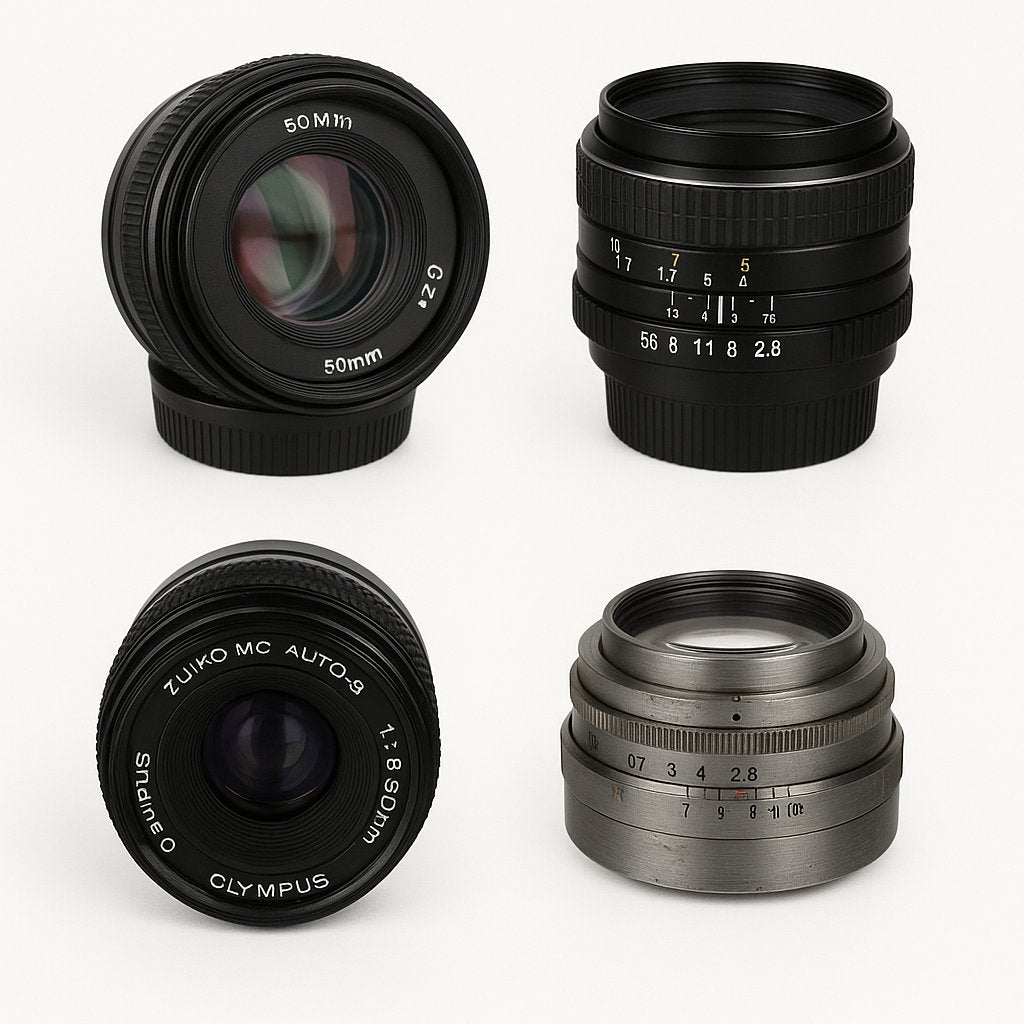
The Mamiya/Sekor SX 55mm f/1.8 offers a fast maximum aperture, making it versatile for shallow depth of field and available light photography. Focus is manual, with a long, precise throw; aperture clicks are well defined, usually from f/1.8 down to f/16.
Rendering and handling
On film, the 55mm f/1.8 produces a gently contrasty look with pleasing color rendition. Wide open, portraits have a soft, flattering falloff with smooth background blur, while stopping down to f/4–f/8 brings good sharpness across the frame for street and travel photography. Flare can appear when shooting into strong light, but many photographers embrace this as part of the lens’s character.

How the Mamiya CWP Fits Today’s Creative Workflow
Analog shooting in a digital world
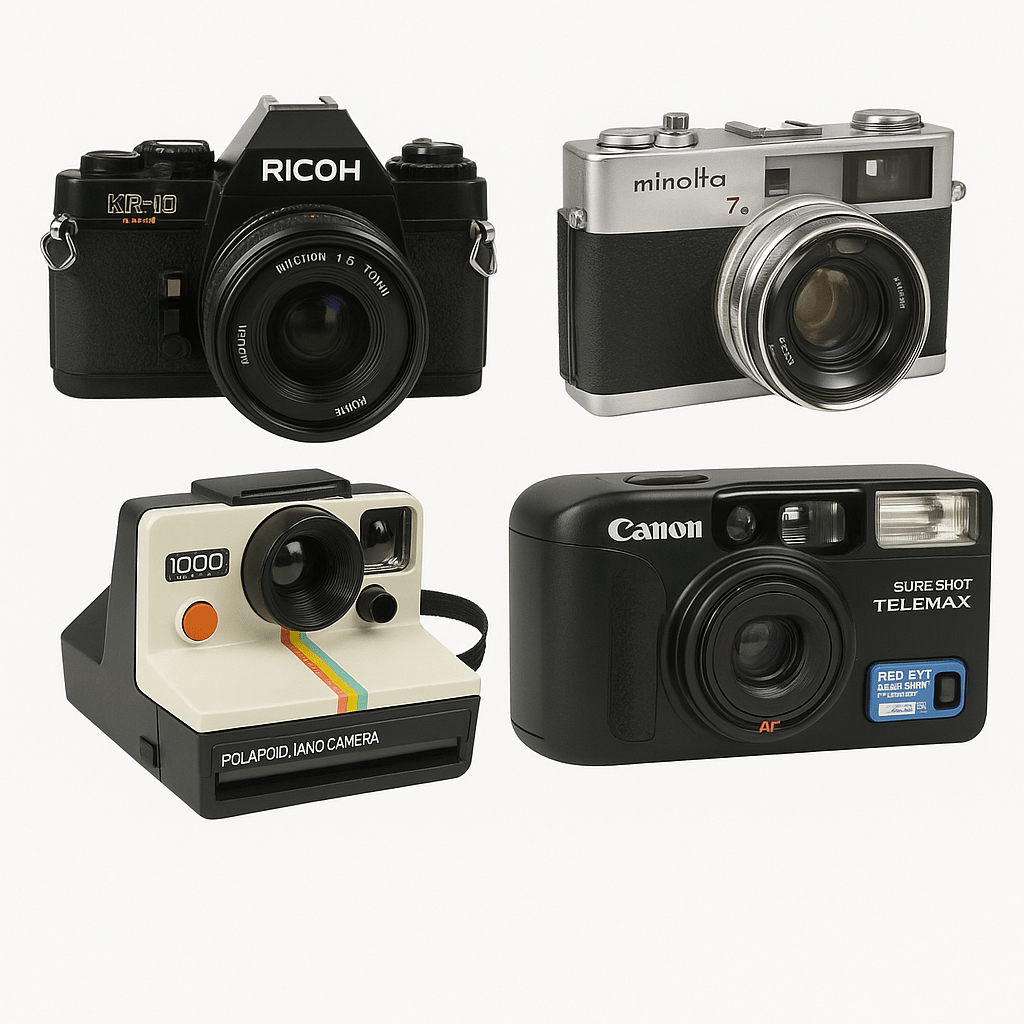
The Mamiya CWP slots neatly into a modern workflow built around lab scanning and digital editing. Load your favorite 35mm film, meter with the internal light meter or a smartphone app, and send your negatives to a lab for high-resolution scans. From there, you can grade and share images just as you would with a digital camera.
The M42 mount also makes the CWP an ideal “hub” for building a small ecosystem of camera lenses. Many classic M42 lenses offer unique rendering and are still surprisingly affordable on the second-hand market.
Adapting the 55mm to digital
Even if you mostly shoot digital, the Mamiya/Sekor 55mm f/1.8 remains relevant. With a simple M42 adapter, it can be mounted on mirrorless systems like Sony E, Fuji X, Canon RF, and Nikon Z. That means you can enjoy its vintage character on both film and digital bodies, making it a smart, sustainable choice.
Second-Hand Buying Guide: Ensuring a Reliable Camera
What to check on a used Mamiya CWP
When shopping second-hand—whether locally or at a curated store like DutchThrift—it pays to inspect a few key functions. A well-maintained CWP can deliver decades of use, but small issues can affect reliability and exposure accuracy.
- ✔ Test shutter at all speeds for consistency.
- ✔ Check light meter response or plan for handheld metering.
- ✔ Inspect lens for haze or stiff focus.
- ✔ Verify film advance and rewind functions.
- ✔ Examine viewfinder clarity and seal condition.
Shutter speeds should sound progressively faster as you move up the dial, with no obvious “sticking” at slow speeds. The meter should respond smoothly to changes in light. Check for corrosion in the battery compartment and ensure the film door closes securely.
It is also worth comparing the CWP to other SLR film cameras in your budget. The CWP stands out for its M42 flexibility and understated styling—ideal if you want a capable, no-fuss body that will not distract from the act of shooting.
Care Tips and Everyday Use
Keeping your CWP in top condition
Vintage cameras reward gentle, regular care. Store the Mamiya CWP in a dry place, ideally with a small bag of silica gel to battle humidity. Avoid leaving the camera cocked for long periods; after a day’s shooting, fire the shutter and store it with the lens capped.
For the lens, regularly check for dust and clean the front and rear elements with a blower and a proper microfiber cloth. Do not attempt to clean inside haze or fungus yourself; that is a job for a specialist.
Developing a shooting rhythm
The CWP encourages a quieter, more intentional pace. Meter, focus, breathe, then release the shutter. This rhythm is part of the charm of shooting with classic analog cameras, and it often leads to more considered compositions and fewer throwaway frames.
Why the Mamiya CWP Still Matters in 2025
Sustainable, characterful, and affordable
In 2025, the appeal of the Mamiya CWP goes beyond nostalgia. Choosing a well-maintained second-hand SLR is a sustainable way to practice photography, keeping classic gear in circulation instead of sending it to landfill. The M42 ecosystem adds long-term flexibility, while the 55mm f/1.8 gives you a distinct, analog look that is hard to replicate with modern lenses.
Price-wise, the CWP remains approachable. Typical values hover around $100–$150 for a clean body and roughly $60–$90 for the Mamiya/Sekor SX 55mm f/1.8 in working condition. For less than the cost of many new budget lenses, you can own a complete, characterful film setup.
Most importantly, the Mamiya CWP invites you to slow down, be present, and enjoy the craft of image-making—one frame at a time.
FAQs
Is the Mamiya CWP compatible with modern lenses? The Mamiya CWP uses the M42 screw mount, so it works with a wide range of vintage M42 lenses. Many of these can also be adapted to modern mirrorless cameras using inexpensive M42 adapters.
What battery should I use for the Mamiya CWP light meter? The original mercury cell is no longer available, but you can use a 1.35V zinc-air or Wein cell substitute to keep metering close to factory accuracy.
How much is a good second-hand Mamiya CWP worth? As a general guide, expect around $100–$150 for a clean, functional CWP body and $60–$90 for the Mamiya/Sekor SX 55mm f/1.8 lens in good working order.
Can I adapt the Mamiya/Sekor 55mm f/1.8 lens to digital cameras? Yes. With a simple M42 adapter, the lens mounts easily on popular mirrorless systems such as Sony E, Fuji X, Canon RF, and Nikon Z, offering a vintage look on modern sensors.
Ready to explore more classic gear? Browse our curated selection of analog cameras and matching camera lenses to build a timeless, sustainable setup that suits your style.