



A Classic Reborn: The Canon FD 100mm f/2.8 S.S.C.
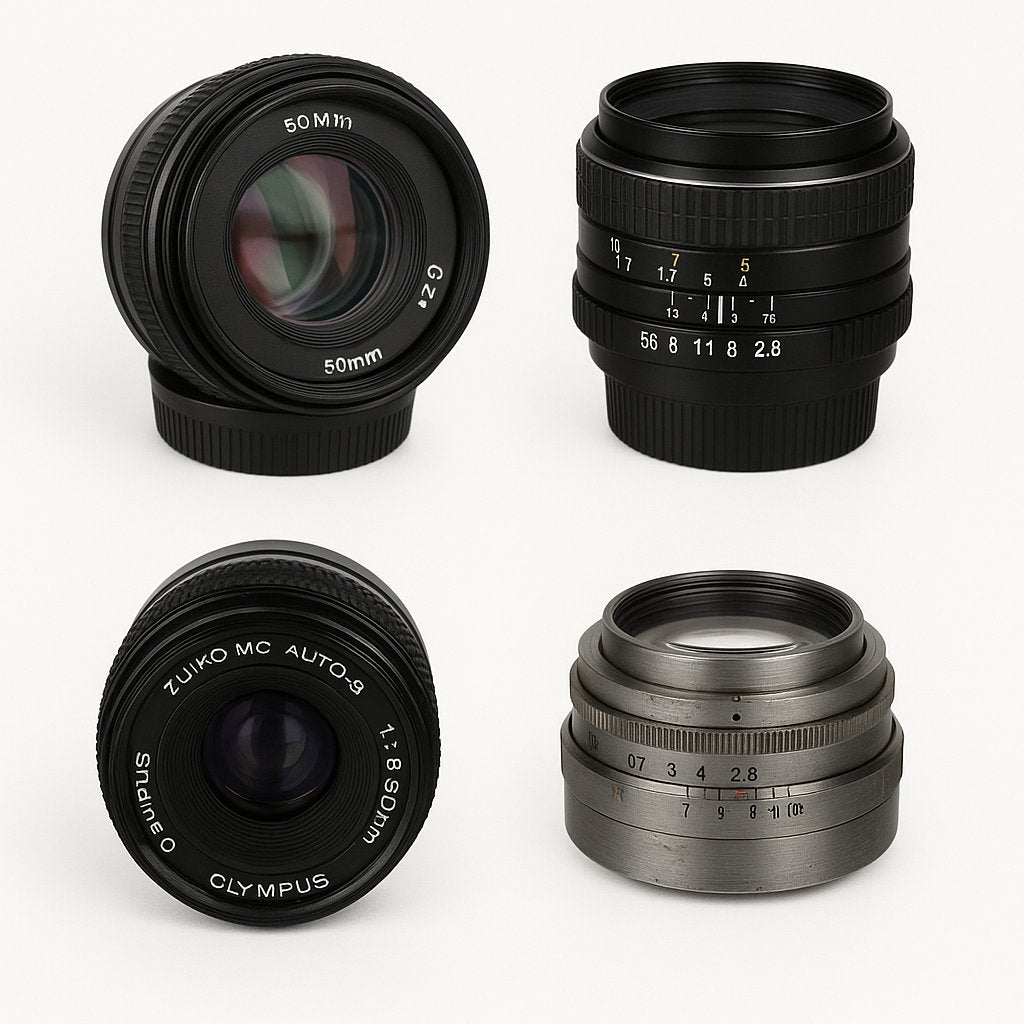
The Canon FD 100mm f/2.8 S.S.C. is one of those lenses that quietly refuses to retire. Built for Canon’s manual-focus FD mount film bodies, it has found a second life on modern mirrorless cameras, where its compact size, smooth focus ring, and distinctive rendering make it a favourite for portraits and detail work.
At 100mm, it sits in a sweet spot between classic 85mm portrait glass and longer telephoto lenses. The f/2.8 aperture offers pleasing subject separation without the bulk or cost of faster primes, and Canon’s Super Spectra Coating (S.S.C.) helps it hold its own on high-resolution digital sensors.

The first time you use a fully manual lens like the FD 100mm, everything slows down in a good way: you start noticing light, gesture, and timing more carefully, turning each frame into a deliberate choice instead of a reflex.
Why It Endures in 2025 Creative Workflows
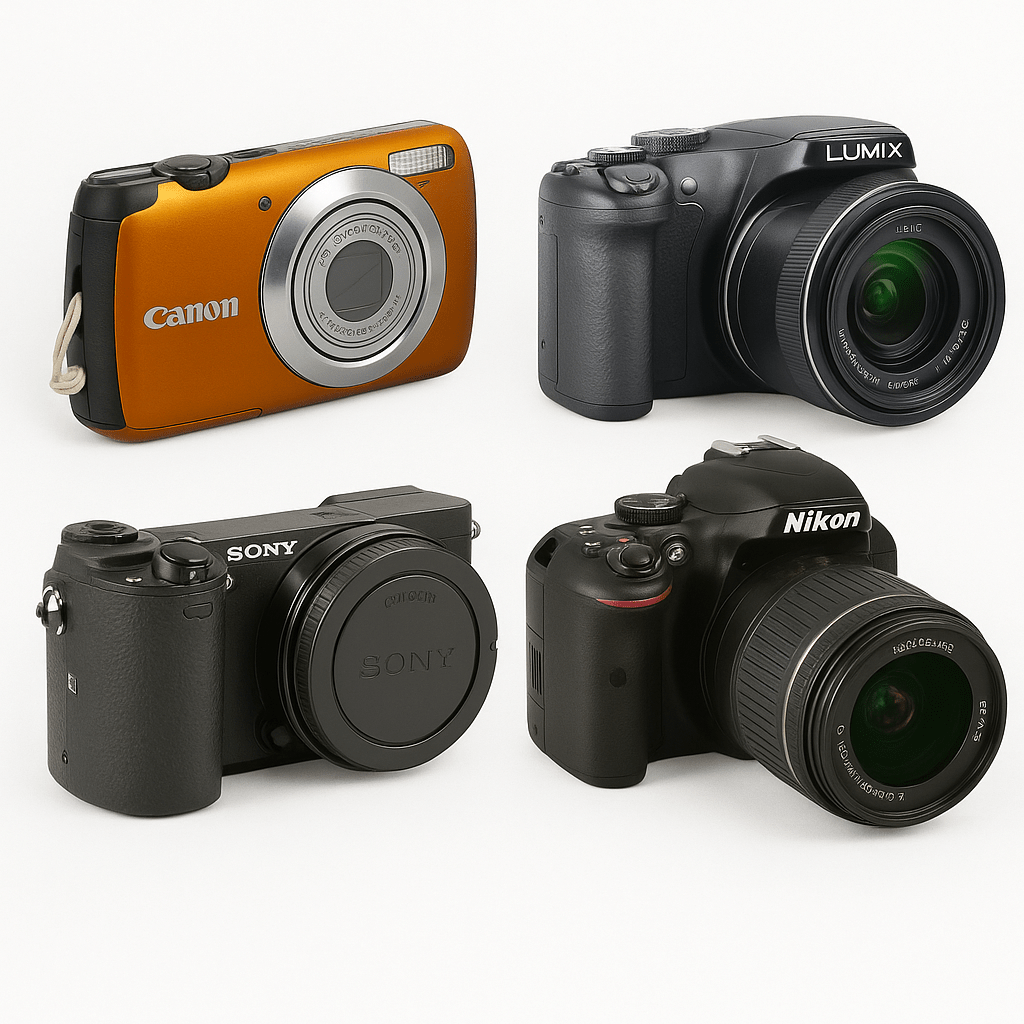
Adaptable to Modern Mirrorless Systems
While it was designed for Canon FD film cameras, the 100mm f/2.8 S.S.C. adapts effortlessly to modern mirrorless mounts such as Sony E, Canon RF, Nikon Z, and others via simple mechanical adapters. There’s no added glass in these adapters, so you keep the original field of view and optical character.
You won’t get autofocus or electronic aperture control, but in return you gain a precise, long focus throw that is ideal for both careful stills work and controlled focus pulls in video.
Vintage Rendering, Digital-Ready Coating
The S.S.C. coating keeps contrast and colour well-controlled, especially compared to uncoated or early-coated vintage glass. On digital bodies, this means less veiling flare, better micro-contrast, and more consistent skin tones, while still retaining a gentle, slightly nostalgic look.
Key Technical Highlights
Optical and Handling Essentials
The Canon FD 100mm f/2.8 S.S.C. is compact for a telephoto prime and balances well even on smaller mirrorless bodies with an adapter. Its manual aperture ring offers full-stop or half-stop control (depending on version), and the breech-lock mount provides a secure, twist-to-lock connection that minimises wear on the camera flange.
Focusing is fully mechanical, with a long, damped throw that encourages precise adjustments. This is particularly useful when shooting portraits wide open or when isolating small subjects such as flowers or product details.

How to Use It Creatively Today
Portraits, Details, and Cinematic Shots
At 100mm, this lens is made for flattering portraits and compressed perspectives. Step back slightly and let the focal length do the work: facial features stay natural, backgrounds melt gently, and you can shoot environmental portraits without distortion. It’s equally at home capturing product detail shots, food photography, or tight compositions for street and travel work.
For video creators, the smooth focus ring and moderate contrast make it a strong choice for B‑roll: hands, textures, architectural details, and moody close‑ups gain a subtle vintage cinematic feel straight out of camera.
Practical Setup Tips
- Mount lens using a quality FD-to-mirrorless adapter.
- Enable focus magnification/peaking on your camera.
- Use a metal lens hood to reduce flare.
- Consider follow-focus gears for smooth video pulls.
- Keep aperture blades oil-free for reliable exposure.
- Test focus for smooth, even resistance.
- Check aperture blades for oil.
- Inspect glass for fungus or haze.
- Lock the breech mount securely.
- Avoid lenses with heavy delamination.
Buying Vintage: How to Find a Good Canon FD 100mm f/2.8
What to Inspect Before You Commit
When shopping second-hand, condition matters just as much as the model name. With the FD 100mm f/2.8 S.S.C., start by gently rotating the focus ring through its full range. It should feel smooth and even, without grinding, stiffness, or loose play. Uneven resistance can point to dried lubrication or mechanical wear.
Next, move the aperture ring and look through the lens while actuating the blades. They should snap cleanly, without hesitation. Any trace of oil on the blades is a red flag, as it can lead to sticky apertures and unreliable exposure.
Hold the lens up to a strong light and inspect the glass. Light dust is normal for vintage lenses, but watch for haze, fungus, or rainbow-like separation between elements (delamination). These issues can be difficult or uneconomical to repair.
Why the FD 100mm f/2.8 Belongs in a Modern Kit
Sustainable, Characterful, and Affordable
Adding a Canon FD 100mm f/2.8 S.S.C. to your bag is more than a nostalgic gesture. You gain a distinctive rendering that stands apart from clinical modern autofocus lenses, while extending the life of a tool that was built to last decades. In an era of rapid gear turnover, choosing second-hand glass is both budget-conscious and environmentally responsible.
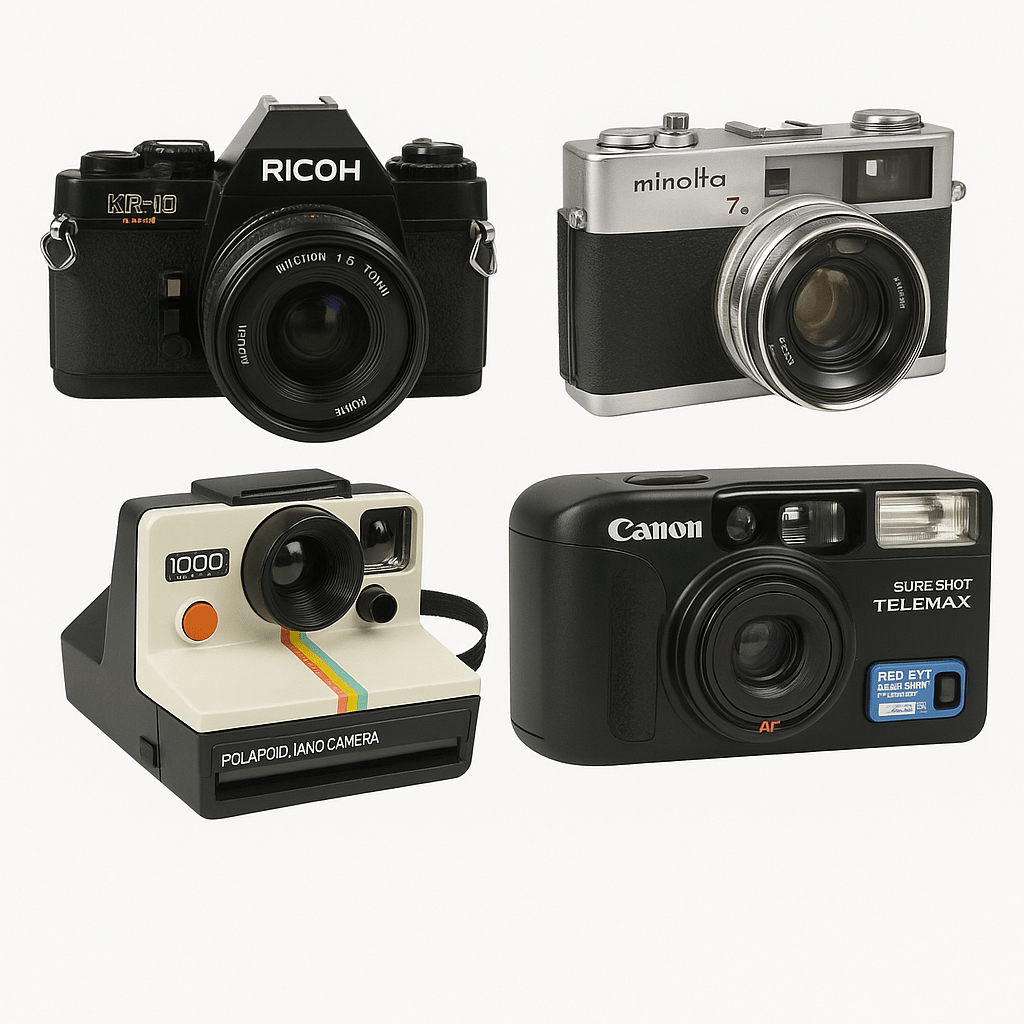
On mirrorless bodies, the lens becomes a compact, characterful telephoto solution for portraits, live music, events, and video work. Combine it with a wider prime and a standard lens from our curated camera lenses selection, and you have a versatile, lightweight kit ready for both analog film and digital production.
FAQs
Is the Canon FD 100mm f/2.8 compatible with modern digital cameras? Yes. Using a mirrorless adapter (FD-to-E, FD-to-RF, FD-to-Z, etc.), you can mount it without any additional optics. Focus and aperture remain fully manual, and autofocus is not supported.
What makes the S.S.C. coating special? Canon’s Super Spectra Coating (S.S.C.) reduces flare and ghosting while improving colour accuracy and contrast. This helps the lens perform reliably on modern digital sensors, with richer tones and cleaner backlit images than many older uncoated lenses.
What should I check when buying this lens second-hand? Confirm that focus is smooth and consistent, the aperture blades are clean and responsive, and the glass is free from fungus, haze, and serious scratches. Also make sure the breech-lock mount turns and locks securely without binding.
Can I use it for video work? Yes. The long, even focus throw and gentle contrast make it attractive for filmmakers seeking a film-like aesthetic. Many video shooters add follow-focus gears, and some choose to have the aperture de-clicked for smoother exposure changes during recording.
Ready to give this classic telephoto a new life? Explore our carefully inspected Canon FD lenses, pair them with an analog body from our analog cameras, and complete your setup with essential photography accessories at DutchThrift.com.