



Introduction: The Canon AE Power Winder FN and Its Legacy
The Canon AE Power Winder FN is one of those classic accessories that quietly transforms how you shoot with a Canon New F-1 or F-1N. It doesn’t change the look of your negatives; instead, it changes your rhythm. Film advances automatically, the camera feels more solid in hand, and your focus can stay on timing and composition rather than on cranking a lever after every frame.
For photographers discovering analog today, this compact motor drive is a bridge between old-school craftsmanship and a more fluid, modern shooting experience. For longtime Canon FD users, it is a familiar workhorse that keeps a legendary system practical in 2026 and beyond.
The first time you move from manual winding to an automatic winder, you notice it most in your breathing: frames follow each other in a smooth, uninterrupted flow, and suddenly the camera feels fast without feeling rushed.
Historical Context: A Milestone in Canon’s Modular Film System
The modular spirit of the New F-1
When Canon introduced the New F-1, it was built around a fully modular philosophy: finders, focusing screens, backs, and motor drives could be swapped to match the assignment. The Canon AE Power Winder FN was the “everyday” motor solution in this ecosystem—more compact and affordable than full-blown motor drives, but fast and dependable enough for serious use.
It joined a family of accessories that allowed sports, news, and studio photographers to tailor the F-1 to their style. For many shooters, it became a permanent part of the camera rather than something that only came out on special jobs.

Designed for a specific duo
Unlike later, more universal accessories, the Power Winder FN was purpose-built for the Canon New F-1 and compatible F-1N bodies. This tight integration gave the combo a solid, professional feel that is hard to replicate with generic grips or add-ons today.
Technical Overview and Performance
Core specs and operation
The Canon AE Power Winder FN sits flush under the camera body, replacing the normal baseplate connection. Once mounted, it automatically advances the film after each exposure and can drive continuous sequences when the shutter is held—ideal for action, portraits with subtle expressions, or simple convenience.
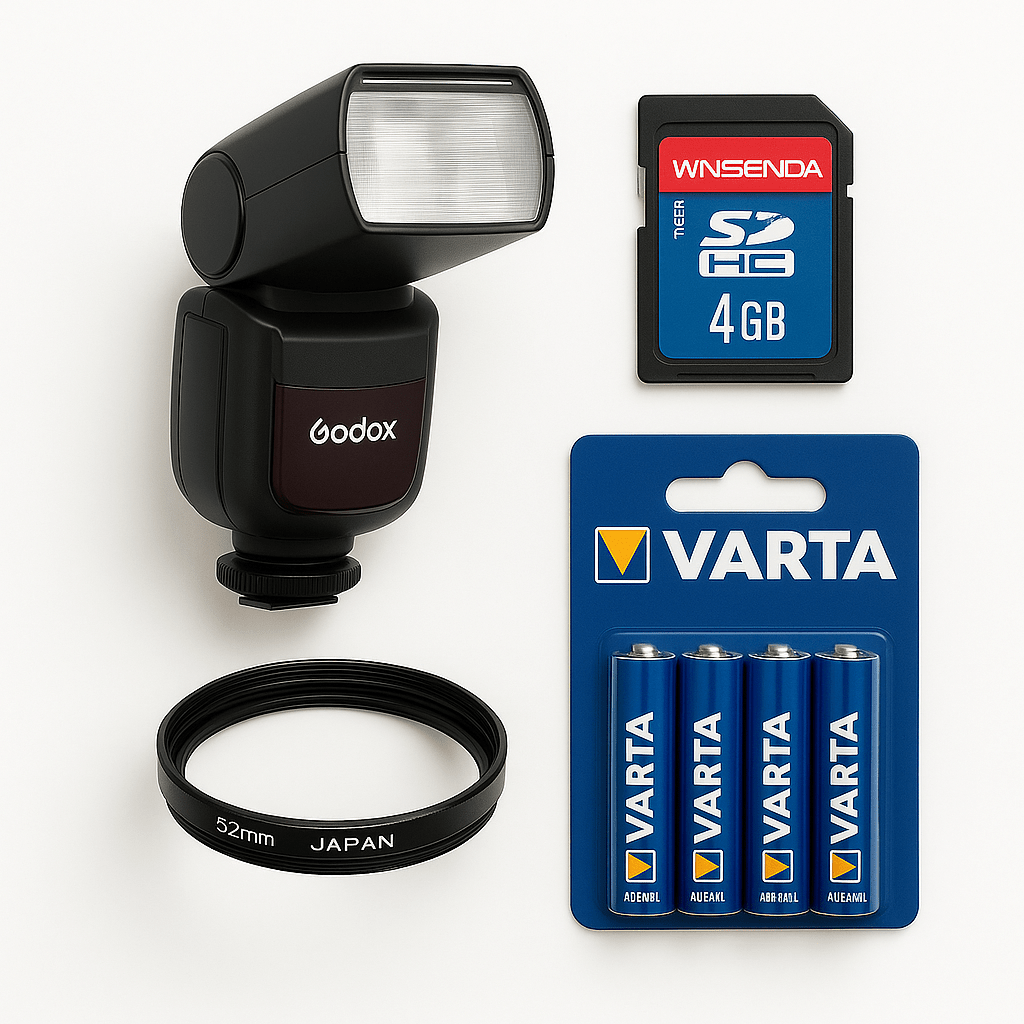
Power comes from four standard AA batteries. This makes it surprisingly sustainable today: you can run it on modern low-self-discharge NiMH rechargeables or quality alkaline cells you can find almost anywhere.
Handling with FD lenses
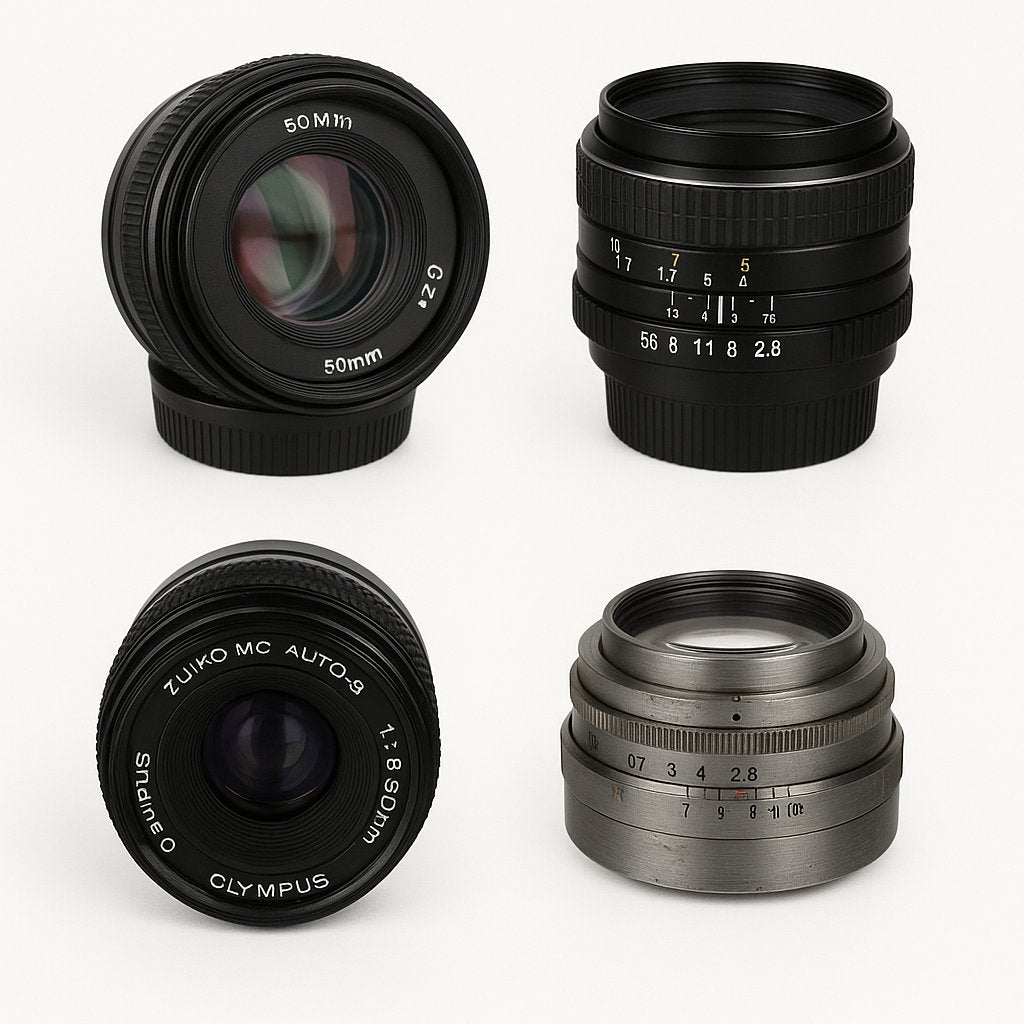
Pairing the Power Winder FN with Canon FD lenses changes the balance of the whole camera. Heavy telephotos become easier to steady, while compact primes feel more planted and confident in hand. The extra grip surface can improve vertical shooting comfort, especially for portrait work.
Modern Use: Why It Still Works for Analog Shooters Today
Analog speed without losing intention
In 2026, the Power Winder FN offers something unusual: a taste of speed without the distractions of a digital menu. You can shoot bursts, track a subject, or simply stay in the moment without pausing to wind. Yet every frame still costs a frame of film, so your choices remain deliberate.
For anyone transitioning from digital to film, it also makes the New F-1 feel more familiar. The rhythm of “focus–compose–press–next frame” is closer to what you know from digital SLRs and mirrorless cameras, trimming the learning curve while preserving the look and feel of 35mm.
Perfect pairings in a second-hand setup
Combine a Canon New F-1 with this winder, a small set of Canon FD camera lenses, and a few simple photography accessories, and you have a complete analog kit that can handle almost anything—street, travel, portraits, or documentary work.
Buying Second-Hand: How to Find a Reliable Canon AE Power Winder FN
Essential checks for a used Power Winder FN
Most Canon AE Power Winder FN units on the market today are decades old, but many still work beautifully if they have been stored well. When you shop used—whether at DutchThrift.com or elsewhere—take a methodical approach to inspection.
- Confirm compatibility with Canon New F-1 or F-1N.
- Inspect battery compartment for corrosion before use.
- Use high-quality AA batteries (alkaline or NiMH).
- Listen for consistent motor speed in continuous mode.
- Pair with Canon FD lenses for authentic handling.
- Check shutter release responsiveness.
- Test continuous frame advance without film.
- Inspect drive gears for wear.
- Ask for photos of the battery compartment.
Practical testing routine
Start by mounting the winder on your New F-1 or F-1N body, ensuring it locks firmly into place. Insert four fresh AA batteries, then fire a few single shots. The advance should feel decisive and repeatable, without grinding or hesitation.
Next, switch into continuous advance and hold the shutter. You want to hear a steady, even motor sound. Any irregular rhythm, sudden slowdown, or squealing noise can point to tired gears or lubrication issues. Finally, perform a dry test without film: open the back, fire through a full “roll” while watching the take-up spool. It should rotate consistently, with the leader advancing smoothly frame by frame.
Shopping from a dedicated second-hand store like DutchThrift.com adds an extra layer of security: items are inspected, test-fired, and clearly described so you know what you are mounting to your prized Canon New F-1.
FAQs
What cameras are compatible with the Canon AE Power Winder FN? The Canon AE Power Winder FN is designed for the Canon New F-1 and late-model F-1N 35mm SLR bodies only. It will not fit earlier Canon F-1 versions or other FD-mount cameras.
What power source does the Canon AE Power Winder FN use? The winder runs on four AA batteries, which can be either standard alkaline cells or rechargeable NiMH batteries. Rechargeables are often the most economical and sustainable option for regular use.
Is the Canon AE Power Winder FN worth buying in 2026? Yes. For analog photographers and collectors, it remains a smart, relatively low-cost upgrade. It provides smooth film advance, more comfortable handling, and a faster shooting rhythm while preserving the mechanical charm of the Canon New F-1 system.
What should I inspect before buying a used Power Winder FN? Focus on the basics: listen to the motor for consistent speed, inspect the battery compartment for corrosion, check that it mounts firmly to the camera, and test the shutter release and continuous winding. Avoid units with rust, erratic motor sounds, or visibly worn gears.
Conclusion: A Practical Step Toward Film Flow
The Canon AE Power Winder FN is more than a period-correct accessory; it is a small but meaningful upgrade that changes how your Canon New F-1 moves through a roll of film. By automating advance, improving balance, and enabling short bursts, it helps you stay present in the scene rather than in the mechanics.
If you are building a sustainable second-hand kit, pairing a well-serviced Power Winder FN with a Canon New F-1 from our analog cameras collection and a few FD camera lenses is a timeless, practical way to enjoy film. Explore the curated selection of bodies, lenses, and photography accessories at DutchThrift.com and give your analog workflow a smoother, more satisfying flow.