



A Legacy of Innovation: The Canon AE-1 Program Story
The Canon AE-1 Program sits at a sweet spot in camera history. Building on the original AE-1, it brought program auto exposure to a generation of photographers who wanted both reliability and speed. Today, that same blend of innovation and simplicity is what makes it such a beloved second-hand choice.
Pairing the body with the Canon FD 35–105mm f/3.5 zoom lens creates a complete, ready-to-shoot kit. From moderate wide angle to short telephoto, it covers most everyday scenes, all with a bright constant f/3.5 aperture that keeps viewfinder brightness and exposure consistent as you zoom.
The first time you cradle a vintage film camera in your hands, the weight, the levers, and the quiet click of the shutter remind you that every frame costs something. It teaches you to breathe, to wait for the right moment, and to compose with intent instead of relying on endless digital retries.

Technical Overview: What Makes the AE-1 Program Special
Program and Manual Modes
The “Program” in AE-1 Program means true program auto exposure: set the lens to “A” and the camera chooses both shutter speed and aperture for you. When you are ready to learn more, you can dial in shutter priority or full manual exposure, using the bright viewfinder display as your guide.
FD Mount and the 35–105mm f/3.5 Zoom
The camera uses Canon’s FD mount, and the 35–105mm f/3.5 lens is one of the most flexible companions you can attach. At 35mm you can capture street scenes and travel moments; at 105mm you can compress perspective for portraits and detail shots. The constant f/3.5 aperture is bright enough for indoor shooting with fast film and gives pleasant subject separation.

Practical Specs That Still Matter
The AE-1 Program offers a clear optical viewfinder, through-the-lens metering, and a familiar control layout that modern shooters understand within minutes. It uses a single 4LR44 (or PX28) 6V battery, still widely available, to power the meter and electronic shutter.
Shooting Film in 2025: Relevance and Creative Joy
Why Film Still Feels Different
In a world of instant previews and unlimited storage, loading a 36-exposure roll into an AE-1 Program changes your mindset. Every frame becomes a decision. The gentle slap of the mirror and the wind of the film advance lever slow you down and invite you to pay attention to light, timing, and background.
The Character of Canon FD Glass
The 35–105mm f/3.5 has a rendering that many digital shooters now seek out: slightly gentler contrast, natural color, and a subtle vintage character. Adapted via FD-to-RF, FD-to-Sony E, or FD-to-MFT adapters, it can give your mirrorless camera files an organic look that stands apart from modern clinical optics.
Practical Uses: Real-World Photography Scenarios
Travel and Everyday Life
With its 35–105mm range, this kit covers city walks, markets, landscapes, and candid portraits without swapping lenses. Keep ISO 200 or 400 film loaded and you are ready for most lighting conditions you will encounter outdoors.
Portraits and Details
At the long end, the lens gives flattering perspective for portraits and detail shots. Combine 105mm with f/3.5 and a relatively close working distance, and you get smooth background blur with a distinctly analog feel.
Learning Tool for New Film Shooters
Because the AE-1 Program offers both automated and manual exposure modes, it works as a learning ladder: start with program, then move to manual as your confidence grows. It is often recommended as a first serious film camera for exactly this reason.
Buying Second-Hand: What to Inspect on the AE-1 Program Kit
Buying a Canon AE-1 Program with 35–105mm f/3.5 lens second-hand is both sustainable and cost-effective, but condition matters. Use this simple checklist when inspecting a camera in person or asking detailed questions online.
- Test shutter at various speeds.
- Check light seals for stickiness or crumbs.
- Insert a fresh 4LR44 battery and confirm metering reacts to light.
- Inspect lens for smooth zoom and aperture ring operation.
- Ask seller for sample photos to confirm exposure accuracy.
You should also look for corrosion in the battery compartment, fungus or haze inside the lens elements, and dents around the filter ring, which may suggest a hard impact. None of these are automatic deal-breakers, but they do affect value and potential repair costs.
Care and Accessories: Keeping the AE-1 Program Ready
Simple Maintenance Habits
Store the camera in a dry, cool place and avoid damp basements or hot car boots. Every few weeks, fire the shutter at different speeds and move the zoom through its range to keep lubricants distributed. If you are not planning to use the camera for a while, remove the battery.
Useful Extras for This Kit
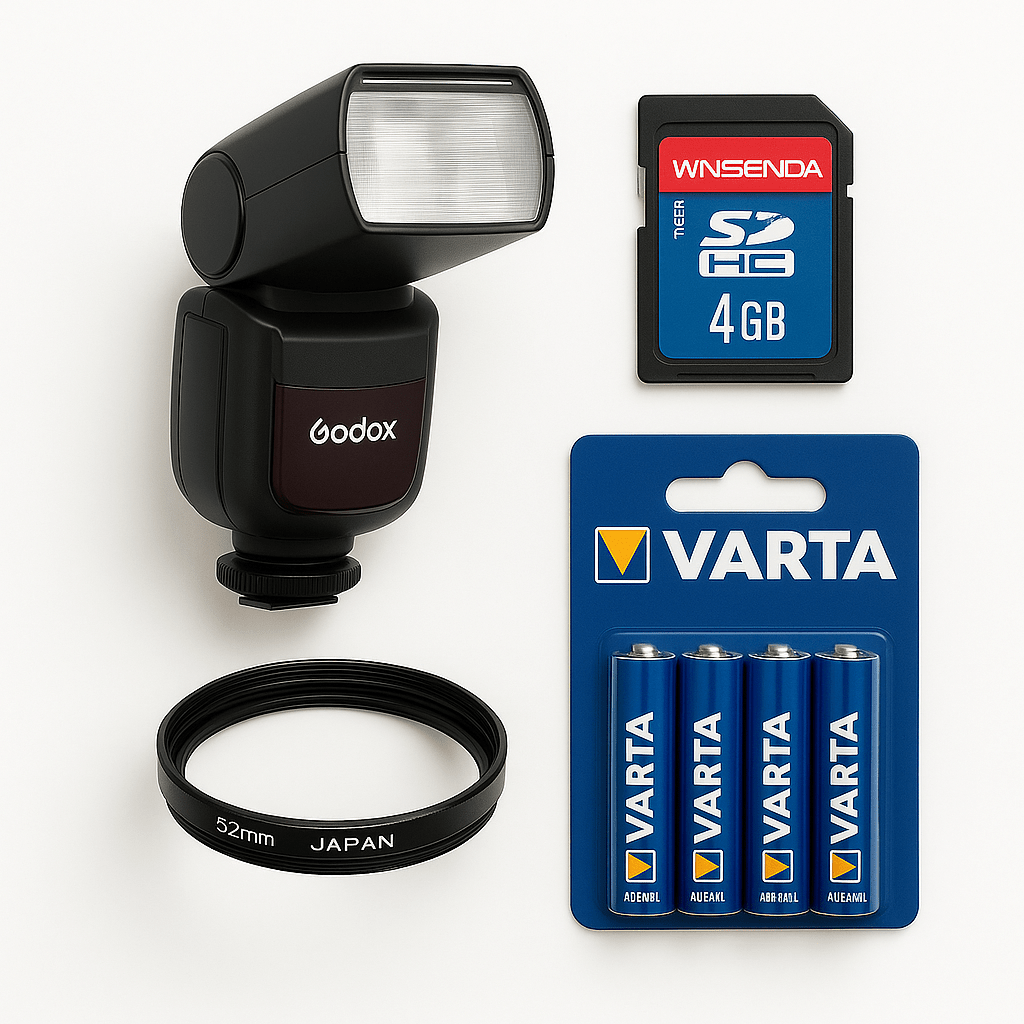
A well-chosen strap, a small set of filters, and a fitted case turn the AE-1 Program into a dependable everyday companion. A lens hood for the 35–105mm f/3.5 will help control flare and protect the front element during travel.
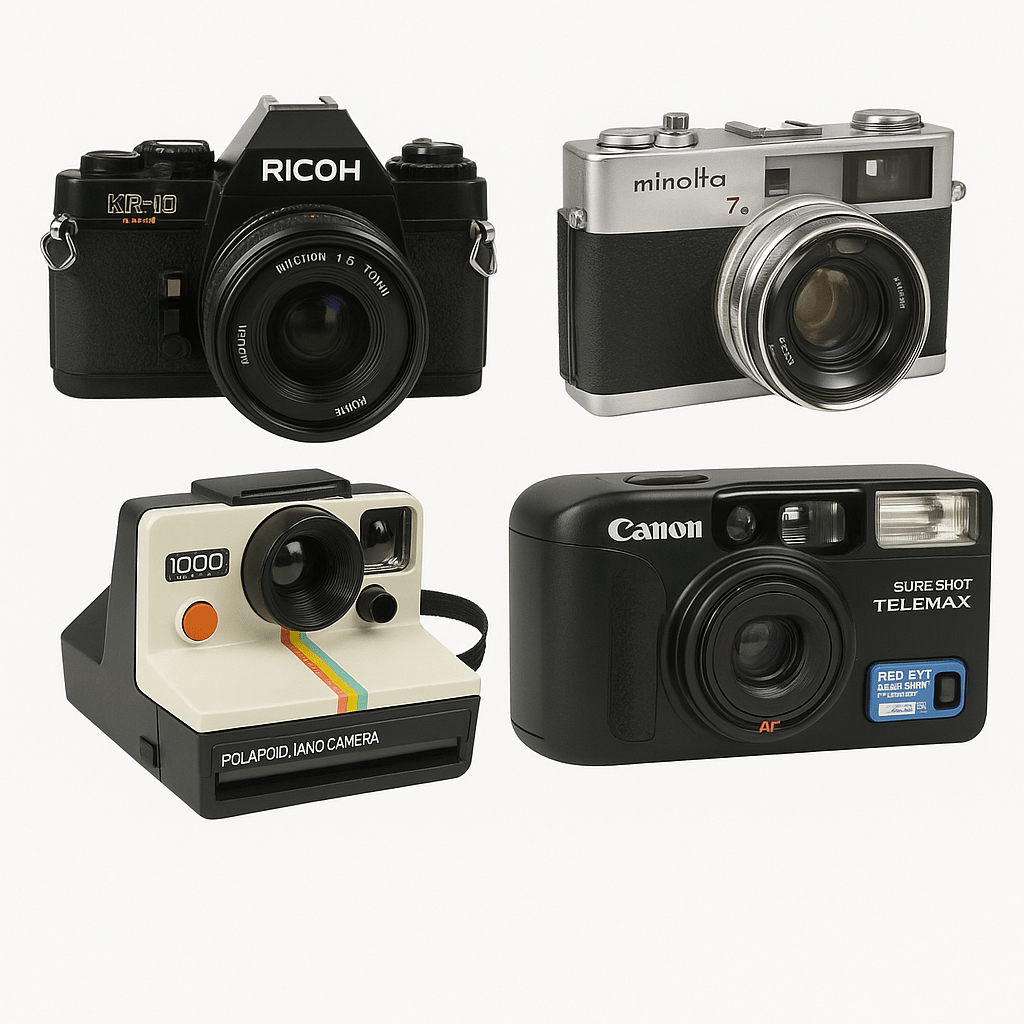
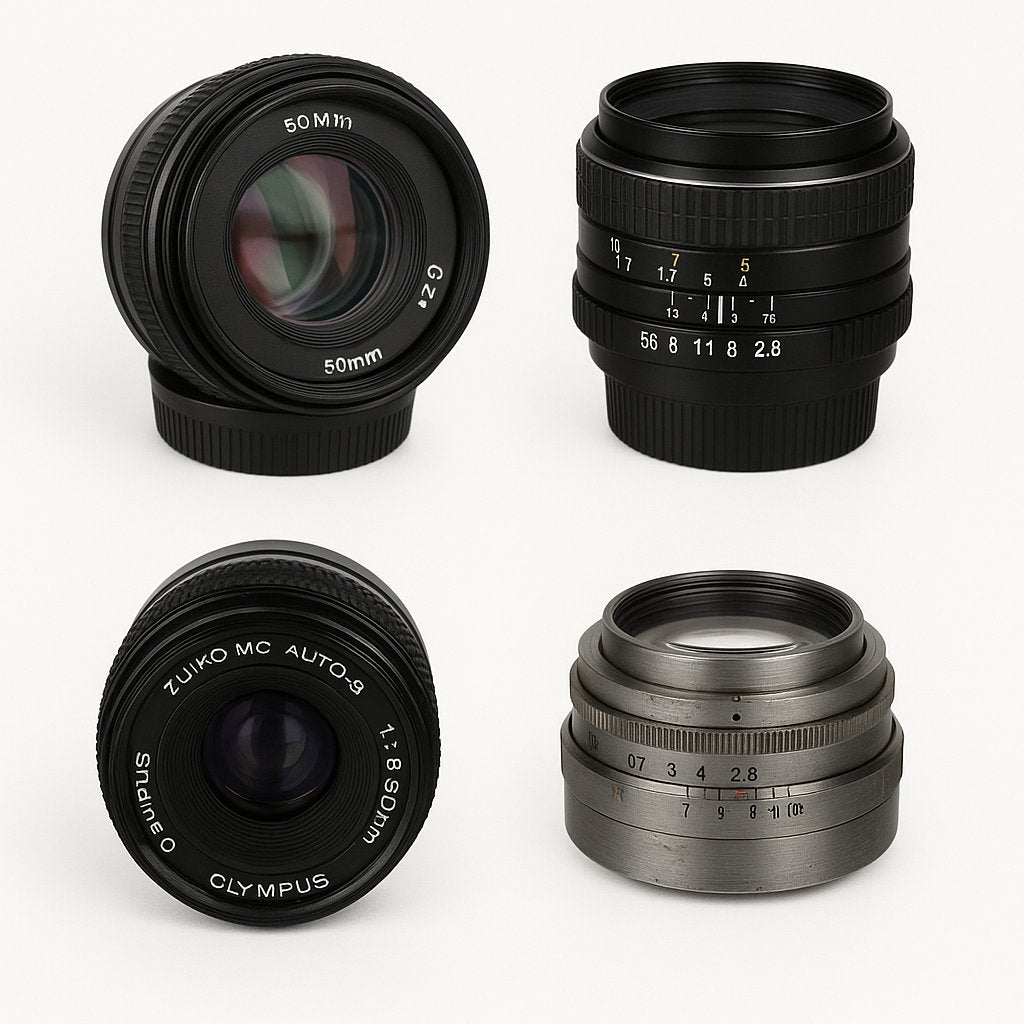
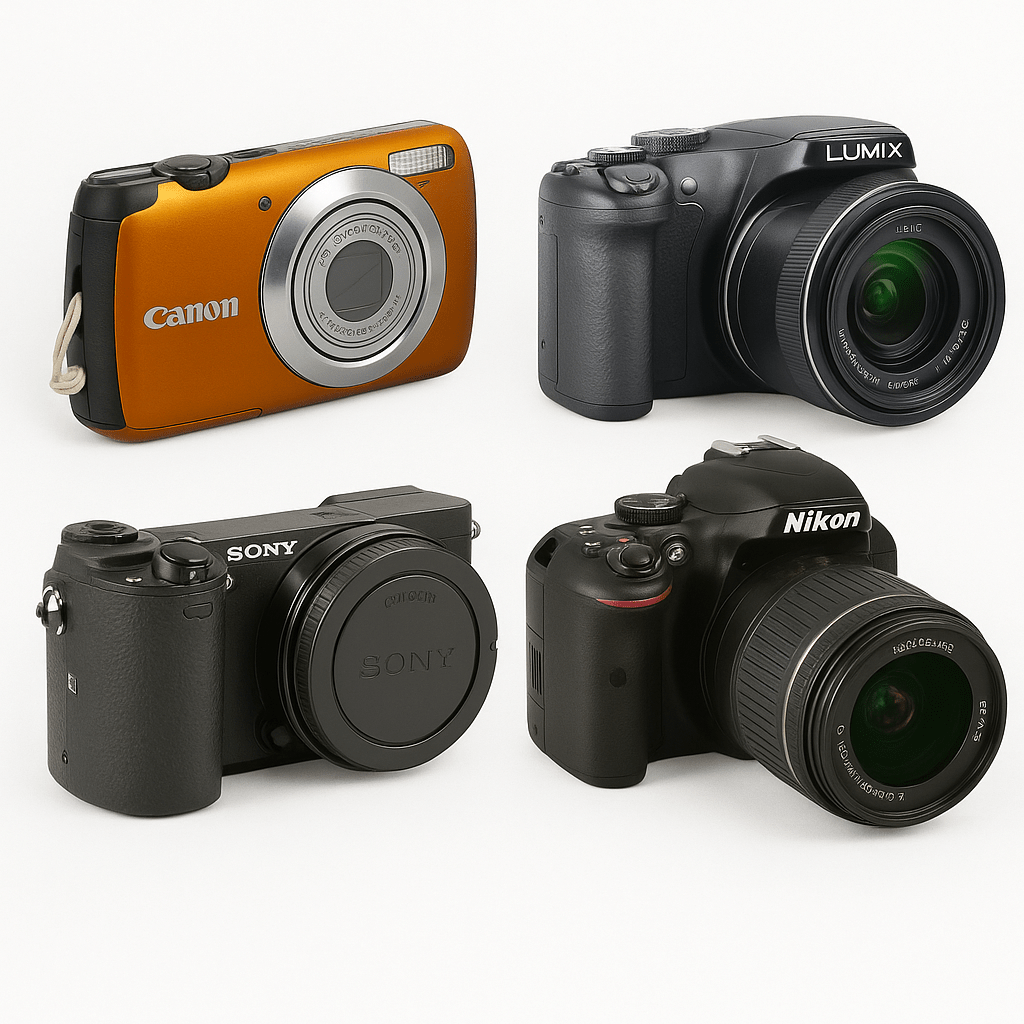
At DutchThrift, you can pair your AE-1 Program with other analog cameras, explore alternative FD and adapted glass in our curated camera lenses, and top it off with straps, bags, and more from our photography accessories.
Final Thoughts: Why the Canon AE-1 Program Still Matters
The Canon AE-1 Program with 35–105mm f/3.5 lens is more than a nostalgic object. It is a capable, flexible tool that can still deliver beautiful images in 2025 and beyond. Its blend of intuitive controls, helpful automation, and characterful optics makes it ideal for beginners and seasoned photographers alike.
Investing in a well-cared-for second-hand kit keeps classic gear in circulation, reduces e-waste, and connects you to a slower, more intentional way of making images. With a bit of care, this camera-lens combo will be ready every time you feel like hearing the soft, satisfying click of a real shutter.
FAQs
Is the Canon AE-1 Program good for beginners in film photography? Yes. Program auto exposure makes it easy to start shooting quickly, while manual controls let you learn exposure fundamentals at your own pace.
Where can I find batteries for the AE-1 Program? The camera uses a 4LR44 or PX28 6V battery. These are still widely available from camera stores, electronics shops, and many online retailers.
Can the Canon FD 35–105mm f/3.5 lens be adapted to digital cameras? Yes. With FD-to-RF, FD-to-Sony E, or FD-to-MFT adapters, you can mount this lens on many modern mirrorless bodies and enjoy its vintage rendering.
What’s a fair price for an AE-1 Program with the 35–105mm lens in 2025? For a clean, fully functional kit, expect roughly $200–250 USD, with exact pricing depending on cosmetic condition and optical clarity.
Ready to start or expand your film journey? Explore our curated selection of second-hand analog cameras, lenses, and accessories at DutchThrift and build a kit that inspires you every time you pick it up.