







Discover how limiting your gear can unlock deeper creativity and stronger visual storytelling — sustainably.
What Is the One City, One Camera Project?
This section introduces the concept: how restricting gear invites creative focus and narrative depth.
At its heart, the one city one camera project is a disciplined photography challenge. You choose a single city, commit to one camera, and fix your view through one focal length lens — ideally a prime with no zooming out of decisions. The goal? To see your surroundings with intentionality instead of distraction.

The minimalist idea was born from analog-era photographers who carried only one trusted camera and learned to read the city through its glass. Restriction forces you to observe — framing becomes instinctive, and mistakes turn into studies of seeing. Ironically, the fewer options you have, the freer you become in creative response.
- Choose one camera you enjoy carrying everywhere.
- Select a single focal length lens (preferably prime).
- Define your project boundaries (time, area, lighting).
When I first tried this challenge on a rainy morning in Amsterdam, my “limitation” — a compact 35mm film body — led me to notice reflections on cobblestones I’d walked past a hundred times. The photo that finally clicked wasn’t perfect, but it felt alive.
Why Limiting Gear Sharpens Creativity
This part explores how simplicity strengthens your visual instincts and consistency of story.

Fewer lenses mean fewer decisions between you and your vision. You’re not thinking in millimeters — you’re thinking in compositions. Street corners, window light, and pedestrians fall naturally into your field of view. Over time, your muscle memory develops around that fixed focal length, training you to pre-visualize a scene before lifting the camera.
This obsession with consistency isn’t just technical; it builds emotional coherence across images. A single lens’s rendering ties your series together. Viewers experience your city precisely as you did, at eye level, without the distortion of variety.
Once, when I forgot my wide lens during a weekend trip, I had to shoot an entire series on a 50mm. What felt restrictive at first gave birth to intimate street portraits that replaced sweeping context with human connection. The constraint became a gift.
How to Plan Your One City, One Camera Project
This section helps you design your creative map — from city choice to practical daily rhythm.
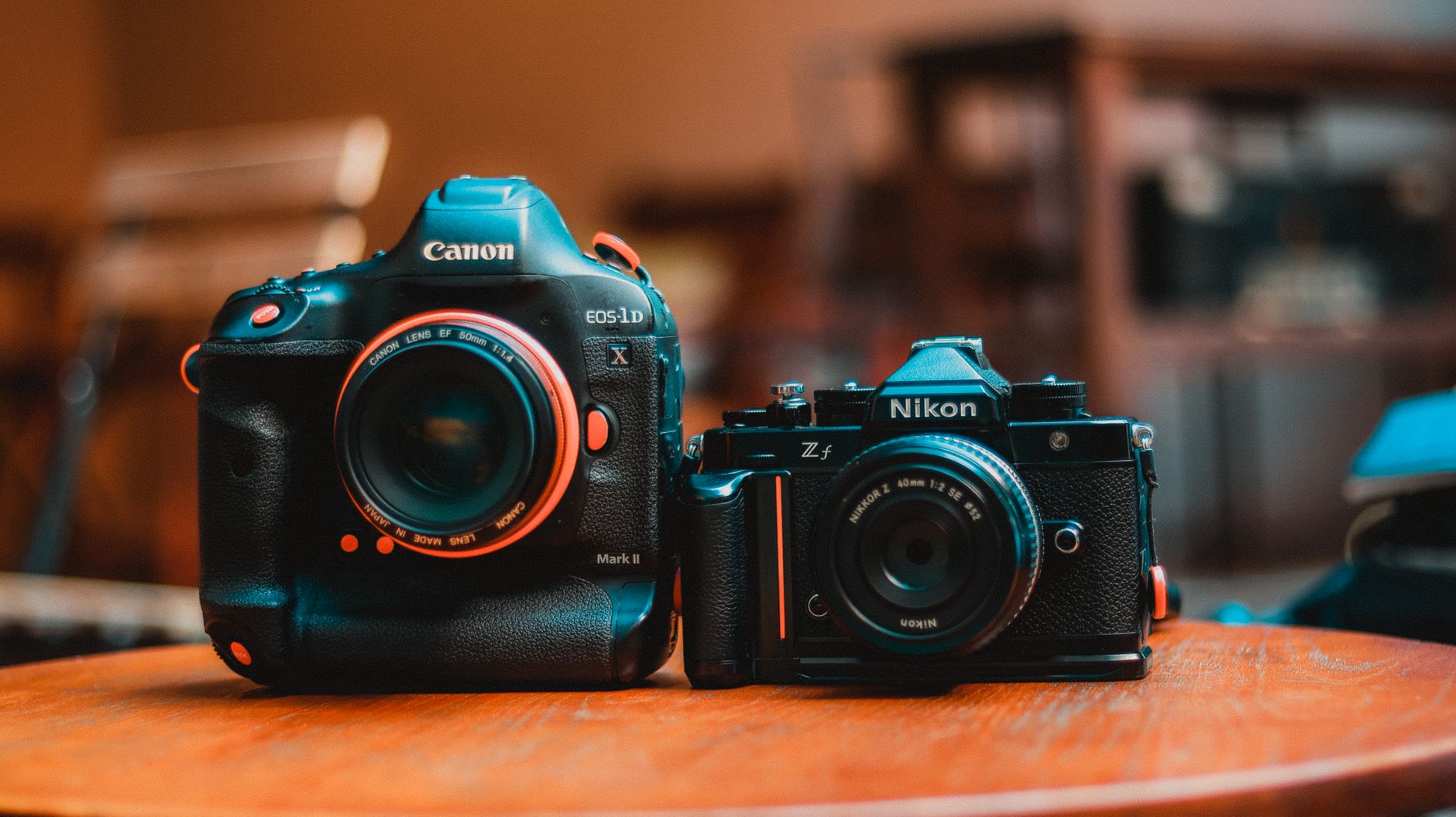
Pick a city that means something to you — the smaller and more walkable, the better. Emotional familiarity allows you to dig beneath postcard scenes and find hidden rhythms.
- Scout neighborhoods or landmarks with visual contrast.
- Plan shooting times (dawn, midday, golden hour).
- Backup batteries and memory — minimal but prepared.
Analog lovers might choose to browse our analog cameras for a tactile, slowed workflow, while digital minimalists may prefer to explore compact digital cameras that slip easily into a jacket pocket.
Pros
- Forces you to revisit locations and wait for better light.
- Reduces fatigue and decision burnout from gear switching.
Cons
- Missed flexibility for fast-changing scenes.
- May feel monotonous unless you vary your angles and subjects.
Finding the Right Focal Length for You
This section breaks down which focal lengths complement your storytelling vision and temperament.

The right focal length acts like a translator for your eye. Here’s a quick comparison of common prime choices:
| Name | Best for | Key Spec | Look/Result | Latitude | Notes |
|---|---|---|---|---|---|
| 28mm | Dynamic street and architecture | Wide view | Expansive, energetic frames | High flexibility | Watch for edge distortion |
| 35mm | Everyday storytelling | Moderately wide | Natural perspective | Easy learning curve | Classic reportage choice |
| 50mm | Portraits and details | Normal lens | Intimate, shallow depth | Moderate framing room | Encourages slower shooting |
Pros
- One lens consistency simplifies your creative editing workflow.
- Fixed lenses are often smaller, sharper, and more energy-efficient.
Cons
- Limits framing flexibility — all zooming happens with your feet.
- Some subjects may be inaccessible without physical proximity.
Experiment briefly before committing. Borrow a 35mm or 50mm, or find your ideal prime lens that suits your field of view and comfort.
Quick Decision Guide
- Choose 28mm if you love fast-paced street energy and urban geometry.
- Pick 35mm for balanced storytelling — ideal “walkaround” vision.
- Go 50mm if you prefer intimate storytelling and background separation.
- Film shooters: opt for a light analog body for tactile slowness.
- Digital shooters: compact mirrorless keeps you portable yet precise.
FAQs
- What is the one city one camera photo project?
- It’s a creative photography challenge where you shoot within one city using a single camera and fixed focal length lens to strengthen consistency and vision.
- Which focal length works best for this project?
- Between 28mm and 50mm — wide enough for street scenes yet flexible for portraits and details.
- Can beginners try the one camera one lens challenge?
- Absolutely. It’s perfect for beginners because it simplifies gear choices and builds strong compositional habits early on.
- How do I choose a city for my project?
- Select a location you can revisit easily — your hometown or favorite travel stop with contrasting architecture and community life.
Start Your Minimalist Journey
Ready to simplify your photography? Discover pre-loved cameras and lenses built for creativity in our sustainable collections.