


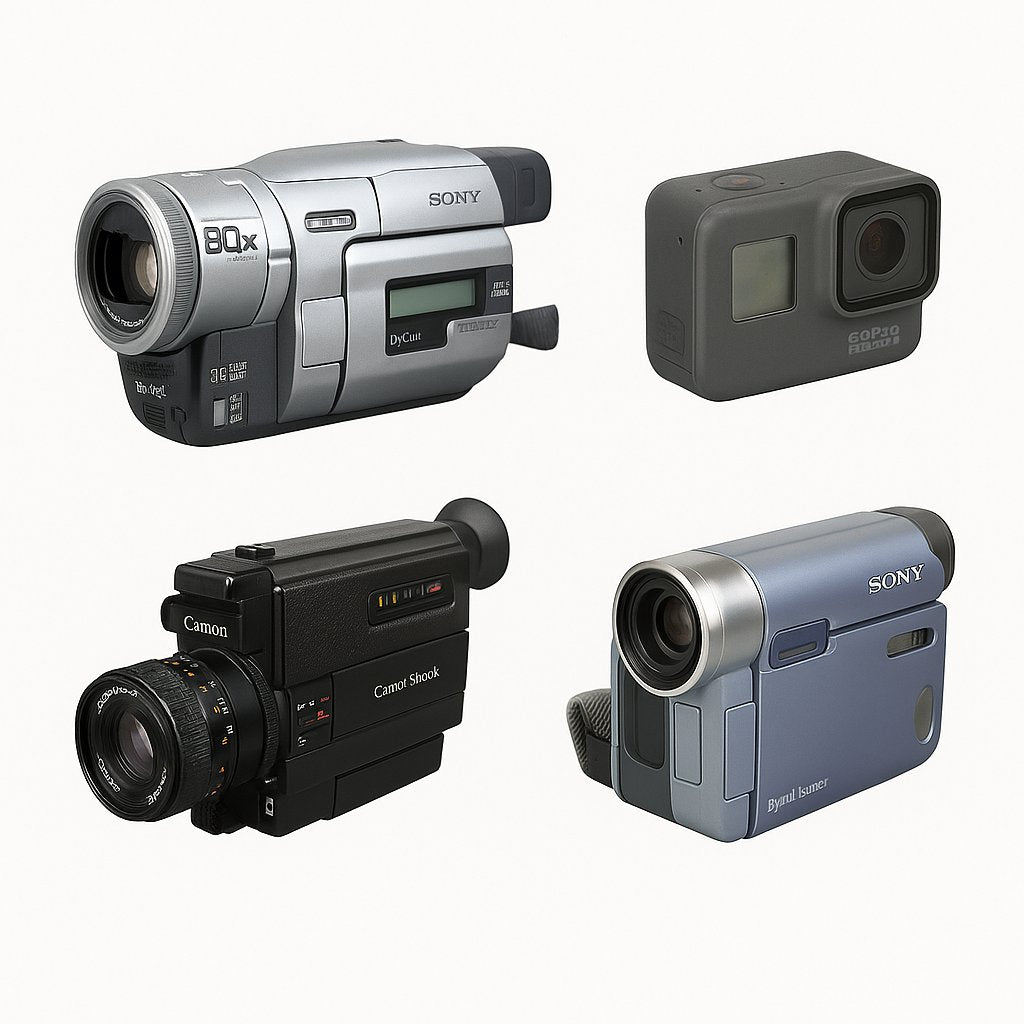
Discover how a vintage camera body and minimalist gear kit can unlock your creativity and simplify your photography workflow sustainably.
What Is the Vintage Body Plan?
This section introduces the philosophy behind the vintage body plan and how it sparks creative focus through simplicity.
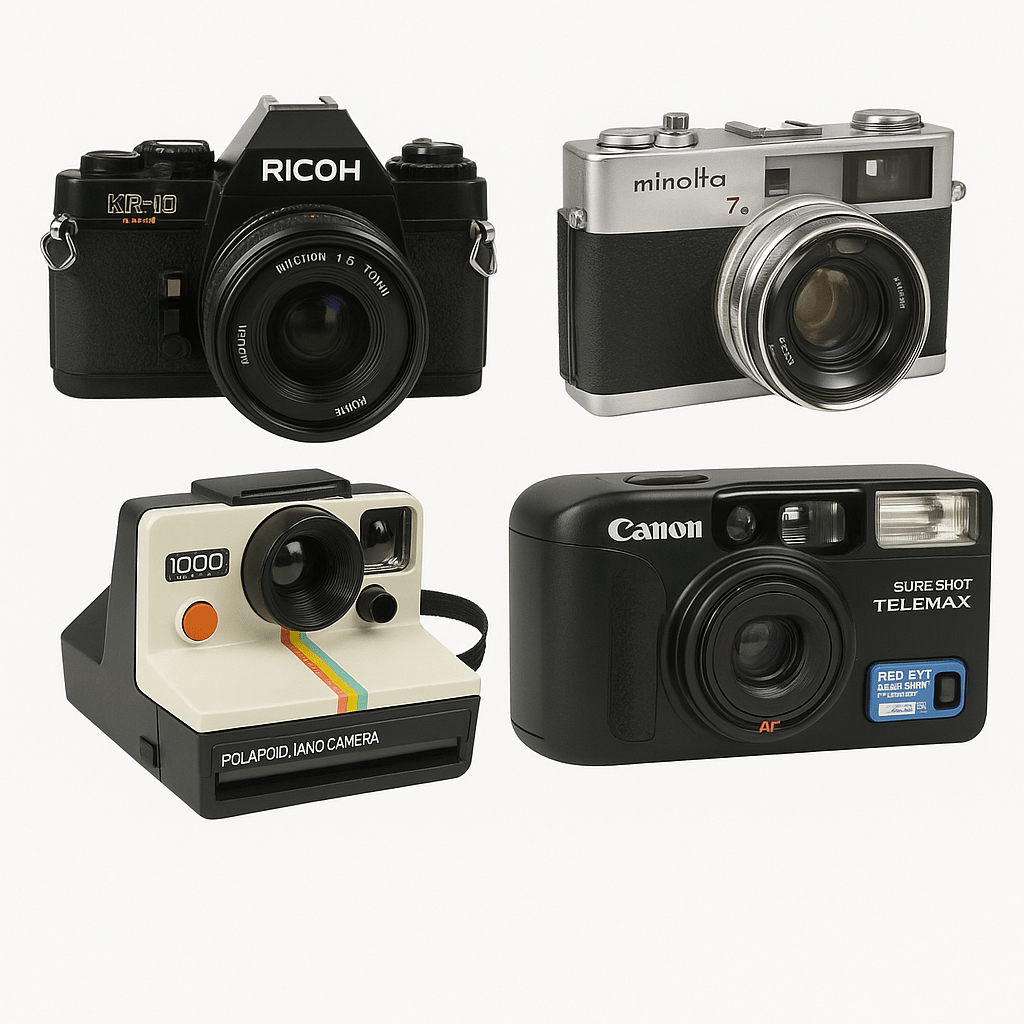
The “vintage body plan” encourages photographers to strip their gear down to essentials—a single film or analog camera body, one or two manual lenses, and a slower, more deliberate process. Rather than relying on modern automation, the plan celebrates direct engagement with light, composition, and timing.

I once set out with nothing but an old film SLR and a fixed 50mm lens. No tripod, no flash. The first hour felt limiting. By sunset, it felt liberating. I noticed shadows I usually miss, composed tighter frames, and learned to wait for light rather than fix exposure later in post. Minimal gear forced intentional seeing—a lesson that reshaped my approach entirely.
Why Vintage Camera Bodies Support Creative Minimalism
Here you’ll learn how older, tactile design nurtures creativity and aligns with sustainable values.
Working with a vintage camera body reconnects you to photography’s fundamentals. Mechanical dials replace menus; focus becomes a mindful gesture, not a feature toggle. These tools demand presence. You measure light with your eyes, adjust by instinct, and commit before pressing the shutter.
Creative minimalism thrives on limits. When a photographer confronts fewer options, attention deepens. Each exposure feels intentional, and this rhythm naturally supports sustainable habits—buy once, maintain longer, and shop from reliable second-hand camera stores rather than the latest release cycle.

That tactile discipline once gave me a surprising sense of freedom: without an LCD screen to check results, I began trusting intuition. Photography felt like craftsmanship again, not endless review.
Finding and Selecting a Reliable Vintage Camera Body
In this section, you’ll discover how to choose a second-hand vintage camera and what to inspect before buying.
Building a minimalist kit starts by finding the right gear partner. Whether you browse analog cameras casually or seek a specific model, construction and condition matter more than prestige.

Checklist before committing:
- Inspect the exterior for dents or corrosion.
- Check shutter and film advance smoothness.
- Test the light meter if applicable.
- Ensure basic accessories (cap, strap, spool) are included.
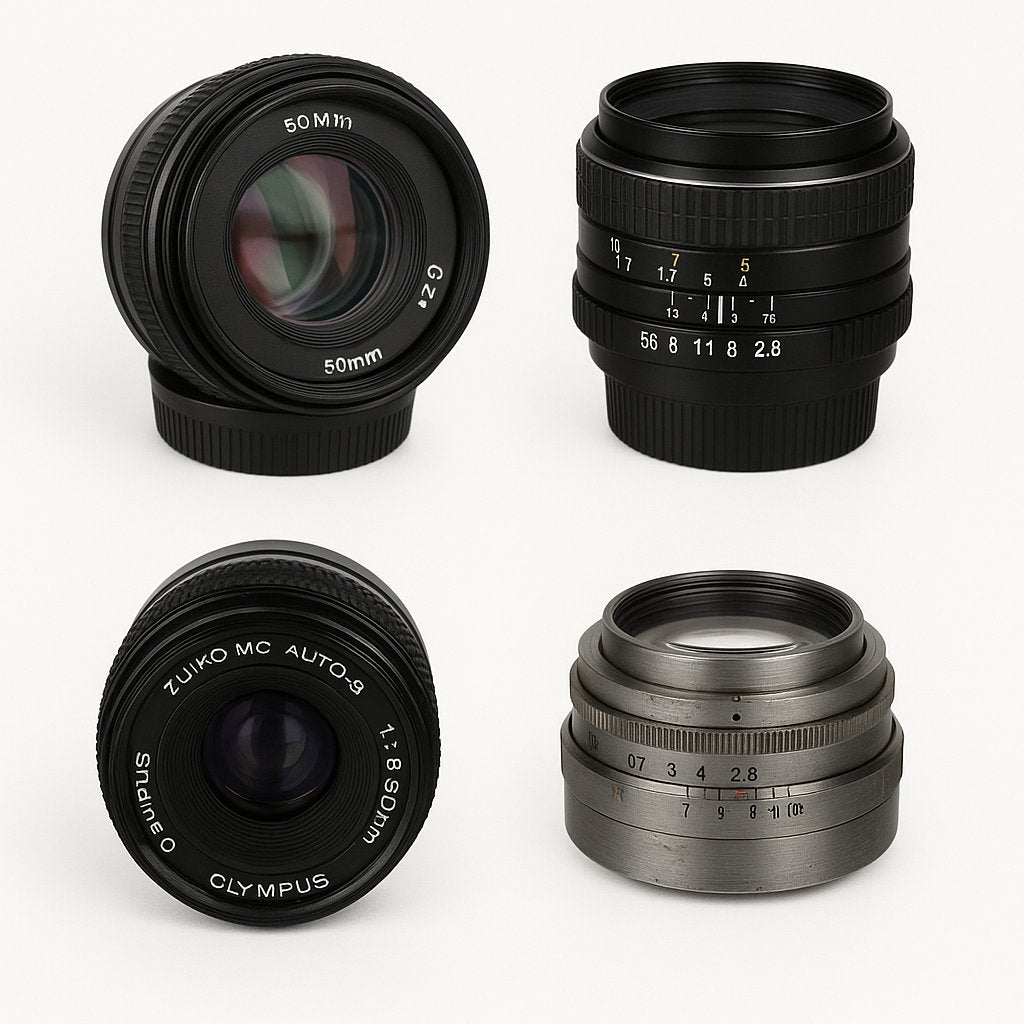
The ideal body feels balanced in your hands and operates without strain. If you’re exploring interchangeable lenses, find compatible camera lenses that fit the mount securely. Mixing eras of glass often produces unique flares and tonal quirks that digital optics smooth out.
Pros
- Cost-effective path to quality craftsmanship.
- Strengthens attention to exposure basics.
- Supports reuse and environmental mindfulness.
Cons
- Requires patience with manual focusing.
- Some repair parts may be discontinued.
Maintaining Simplicity: Caring for Your Vintage Gear
Here we cover simple practices to keep your limited gear in reliable condition and preserve its value.

Regular maintenance steps:
- Wipe lenses with microfiber cloth after each session.
- Store cameras in dry, stable environments.
- Rotate through gear quarterly to prevent sticking.
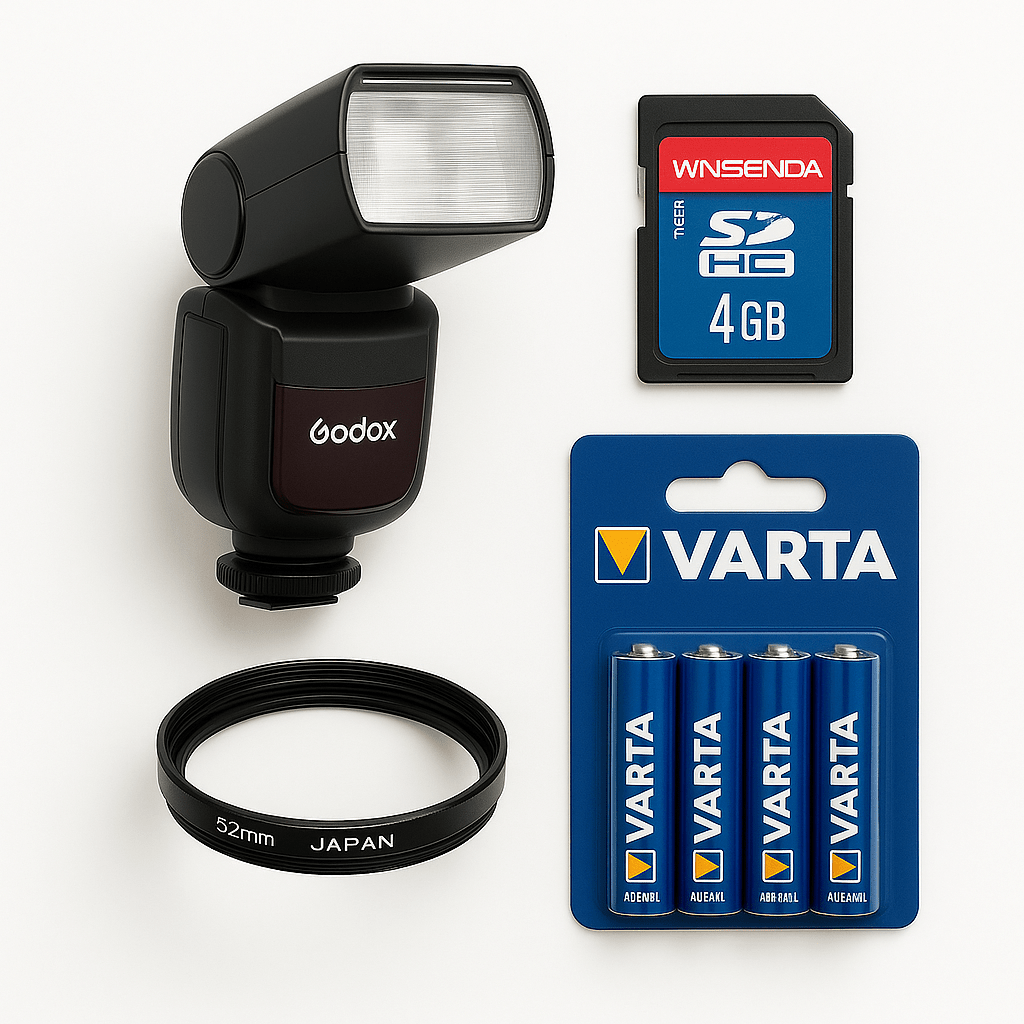
Mechanical cameras appreciate exercise. Even without film, advance and fire the shutter occasionally to keep springs flexible. Remove batteries for long storage, and avoid extreme humidity. The simplicity of fewer tools translates directly to less upkeep—granting more shooting and fewer chores.
Creative Techniques for Minimal Gear Shoots
This section offers fresh inspiration for using tight setups to expand visual storytelling.
Minimal gear doesn’t restrain creativity—it refines it. Limiting yourself to one lens sparks compositional problem-solving. Try a 35mm for context-rich frames or a 50mm for intimacy. Restrict film rolls or memory usage to simulate analog discipline and develop consistency across your series.
Practice-driven prompts:
- Shoot an entire day using only one focal length.
- Experiment with long shadows during golden hour.
- Embrace high contrast to strengthen shape recognition.
Once, shooting a single roll forced me to slow down. Each frame became a small meditation on light. When developed, every exposure told a cohesive story instead of a scatter of experiments. Constraint had edited my work before I even clicked.
Balancing Modern Support with Vintage Character
Explore how to blend old-school craftsmanship with the convenience of current technology without losing focus.
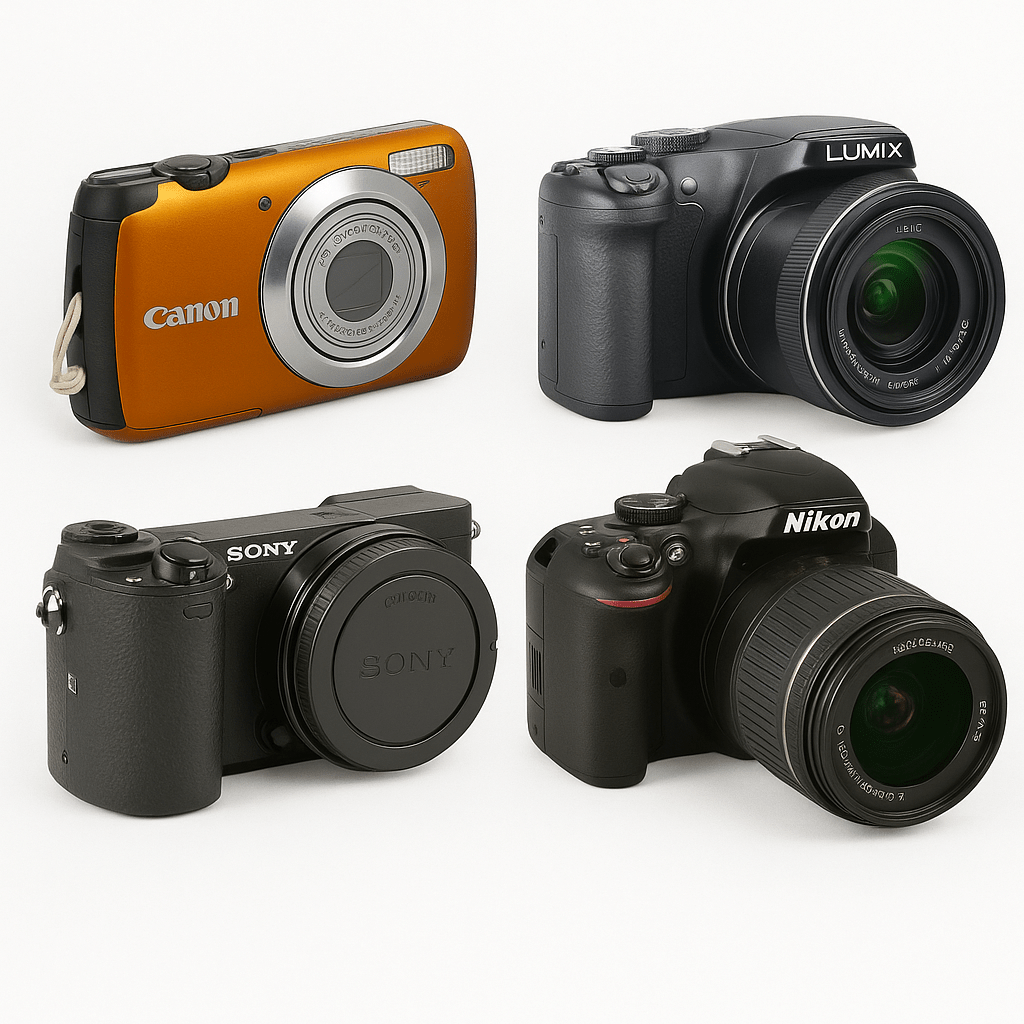
Modern digital bodies can host manual lenses via adapters, letting you preserve your analog glass while benefiting from instant previews. This hybrid setup captures the unpredictability of vintage optics with the reliability of modern sensors. It’s an ideal middle ground for artists transitioning between worlds.
| Setup | Best for | Spec | Look/Result | Usability | Notes |
|---|---|---|---|---|---|
| Full Analog SLR | Story-driven film projects | Manual ISO/ASA | Authentic grain and color shifts | Low automation | Prolonged but rewarding workflow |
| Rangefinder | Street and travel minimalists | Fixed lens or small prime | Discrete, intimate frames | High portability | Quiet and fast focusing |
| Hybrid Digital + Vintage Lens | Experimenters seeking classic looks | Adapter ring variable | Retro rendering on digital clarity | Moderate automation | Ideal for test shoots and studio mixing |
Pros
- Combines sustainability with flexibility.
- Maintains manual control in modern workflow.
- Reduces learning curve for pure analog.
Cons
- Adapters may limit some lens functions.
- Digital preview can reintroduce distraction.
During one shoot, I mounted a 1980s 50mm on a mirrorless body. The imperfect flares and manual focus dance slowed my pace—in the best way. Each shot felt handcrafted, despite being digital.
Quick Decision
- Choose a vintage SLR if you value total manual control and film texture.
- Go rangefinder if portability and discretion matter most.
- Select a digital body with vintage lenses for flexible hybrid workflows.
- If new to analog, consider tested equipment from trusted second-hand sources like explore SLR film cameras.
FAQs
- What defines the vintage body plan in photography?
- It’s a minimalist philosophy emphasizing craft over gear quantity. Shooting with older, manual cameras focuses creative control and fosters sustainability.
- Where can I find authentic vintage camera bodies?
- Look for reputable second-hand camera stores that inspect and test gear before resale. Verified online collections ensure authenticity and usability.
- How do I care for an old camera body?
- Clean gently with a microfiber cloth, store in a cool, dry space, remove batteries when idle, and occasionally fire shutters to prevent stiffness.
- Can vintage camera bodies enhance creative minimalism?
- Yes—limiting automation encourages intentional framing, metering, and storytelling. Artistic constraint cultivates awareness and growth.
- How can I combine vintage and modern gear effectively?
- Use lens adapters thoughtfully. This lets you pair analog glass to digital bodies, blending tactile control with digital convenience.
Take the Next Step
Simplify your gear, amplify your vision—shop verified vintage equipment.