


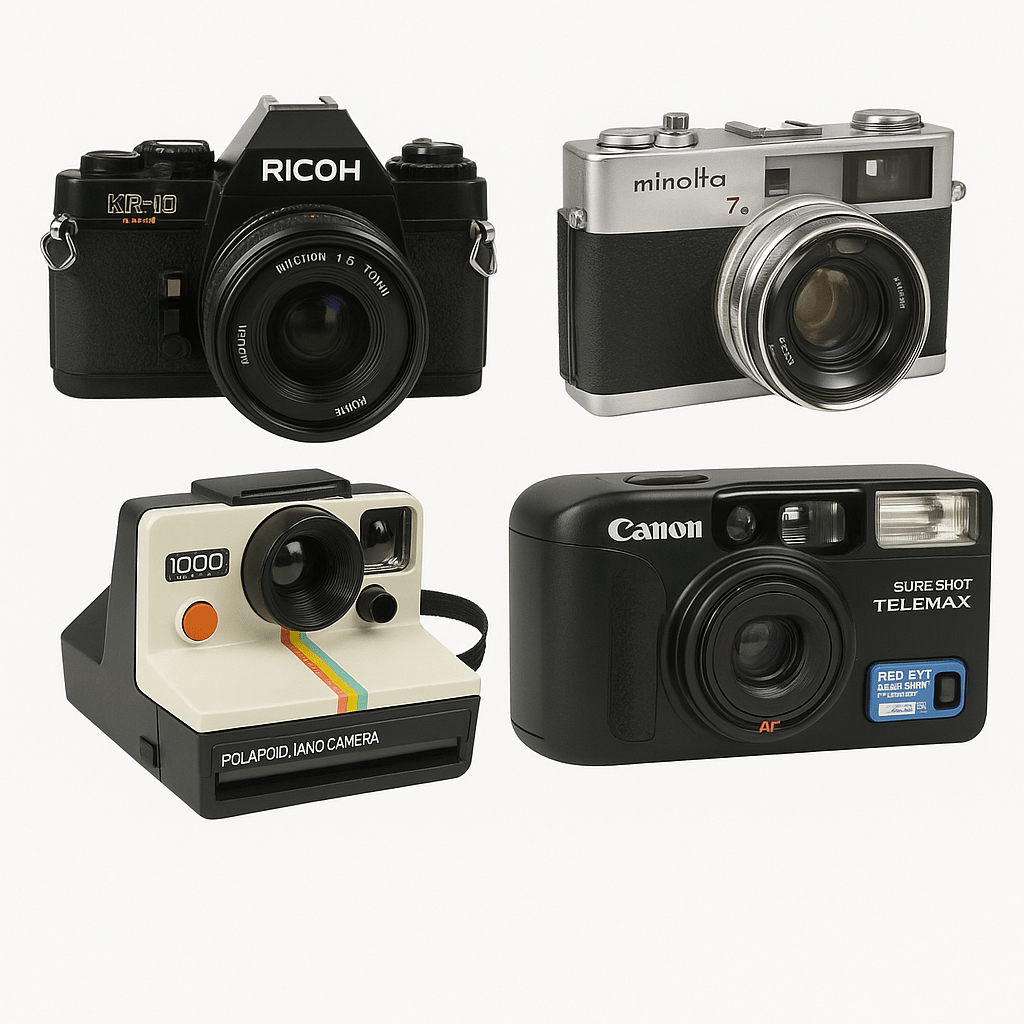
Learn how to photograph concerts like a pro using affordable, second-hand equipment. From low-light tricks to gear care, here’s how to maximize every decibel of your setup.
Why Used Camera Gear Works Great for Concert Photography
This section helps you understand why pre-loved cameras can thrive in unpredictable, low-light concert venues — and how to evaluate their condition before shooting.
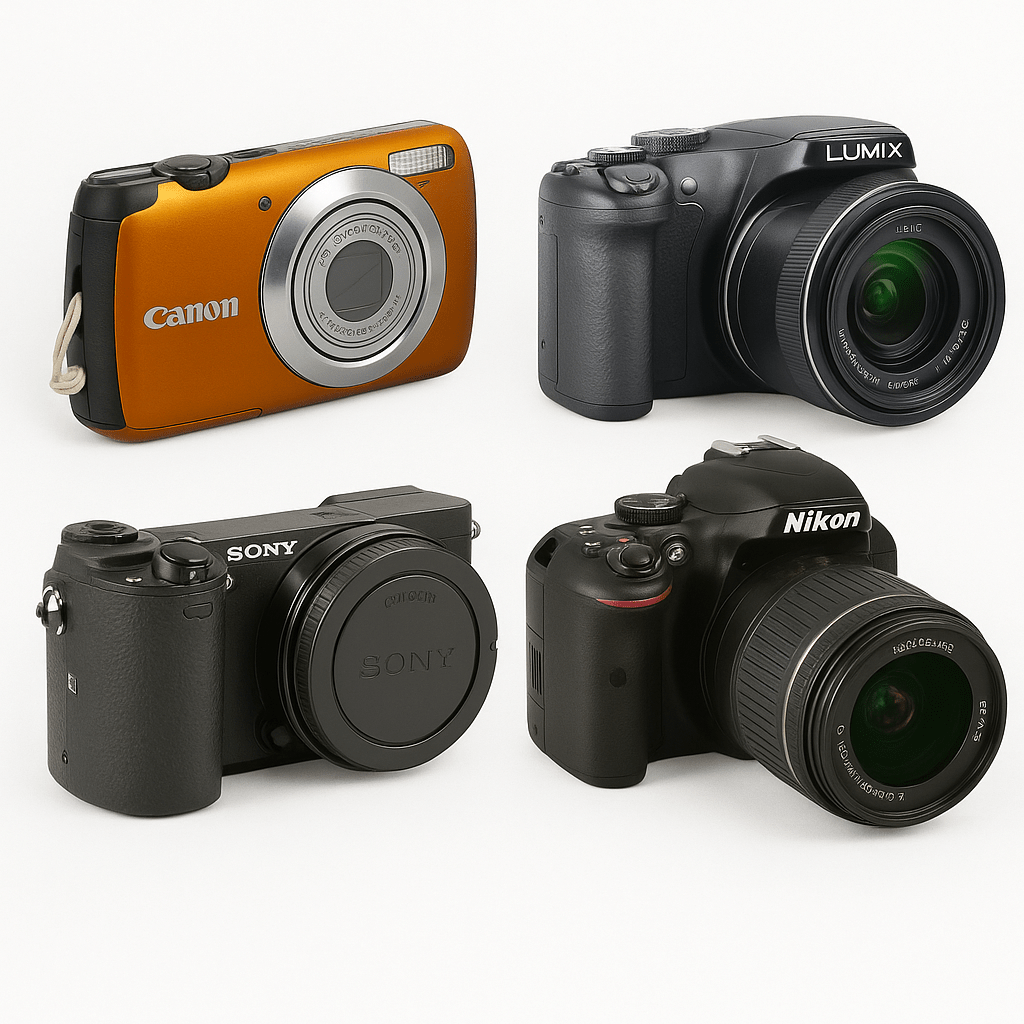
Modern used used DSLR cameras and mirrorless digital cameras now rival new releases in performance, especially in high ISO range and autofocus reliability. By purchasing used, you save enough to invest in better lenses or memory cards — essentials that improve your end result more than the latest body alone.

There’s also a sustainability benefit. Choosing second-hand gear extends its lifespan and prevents e-waste — a smart ecological statement for any creative professional.
Checklist for Buying Used Gear
- Confirm the model’s low-light ISO performance from trusted reviews.
- Inspect the sensor and verify the shutter count.
- Test autofocus accuracy in dim lighting before purchase.
I once covered a local indie gig using a five-year-old DSLR bought second-hand. The grain was cinematic, the colors vivid — to my surprise, the results were sharper than what my newer smartphone could produce. The crowd’s sweat and lights glowed like film.
Choosing the Right Used Camera and Lenses for Concerts
Here you’ll learn which camera bodies and lenses balance affordability and low-light capability, and what to inspect before buying.
Canon and Nikon both have models famed for smooth tonality and noise control. Canon tends to excel in warm color rendering, while Nikon offers detailed shadows at higher ISOs. Mirrorless bodies are the quiet heroes — literally, their silent shutters make them perfect for intimate performances.

For lenses, prioritize wide apertures — f/1.8 primes or brighter let in the light you desperately need. A 35mm or 50mm prime amplifies sharpness and subject separation without breaking the budget.
Pros
- Lower cost allows you to own multiple specialized lenses.
- Fast primes handle stage lighting beautifully.
- Mirrorless systems preview exposure in real time.
Cons
- Used gear may have minor cosmetic wear.
- Older autofocus systems can hunt in extremely low light.
Essential Features Checklist
- Wide aperture (f/1.8 or faster).
- Customizable ISO control.
- Quick autofocus or manual override.
- Verify lens mount compatibility — especially when mixing brands.
When I switched from a used 18–55mm kit lens to a second-hand 50mm f/1.8, the difference was night and day. Suddenly, the stage glow appeared richer, focus faster, and my images breathed professional polish.
| Name | Best for | ISO/Spec | Look/Result | Latitude/Usability | Notes |
|---|---|---|---|---|---|
| Canon full-frame DSLR | Warm tones, smooth color | High ISO 12800 | Rich skin tones, less noise | Wide latitude | Affordable on used market |
| Nikon APS-C DSLR | Balanced highlights | ISO 6400–12800 | Neutral contrast, deep blacks | Easy post editing | Reliable second-hand choice |
| Mirrorless camera | Stealth shooting | ISO 25600+ | Live exposure preview | Compact, adaptable | Silent shutter advantage |
Shooting Techniques to Make Your Concert Photos Look Professional
This is your hands-on guide to capturing energy and atmosphere when the lights are unpredictable and the crowd is alive.
Concert lighting changes every second. Anticipate the beat, pre-set exposure for the brightest scene, and adjust mid-song. If your autofocus struggles, switch to manual and pre-focus where performers hit their marks. Always shoot RAW to recover highlights later.

Checklist for the Show
- Pre-set exposure for your brightest light spot.
- Use manual focus if autofocus lags.
- Stabilize with your stance or a barrier if tripods aren’t allowed.
- Shoot in bursts during lighting changes.
I remember one set where the main light burst red mid-song. I quickly dialed my shutter down and nailed a frame that froze the singer mid-jump, the mic cable glowing like fire. That spontaneity defines concert photography.
Maintaining and Caring for Used Concert Photography Gear
This section teaches you how to keep your camera clean and reliable after smoky, humid, or dusty venues.

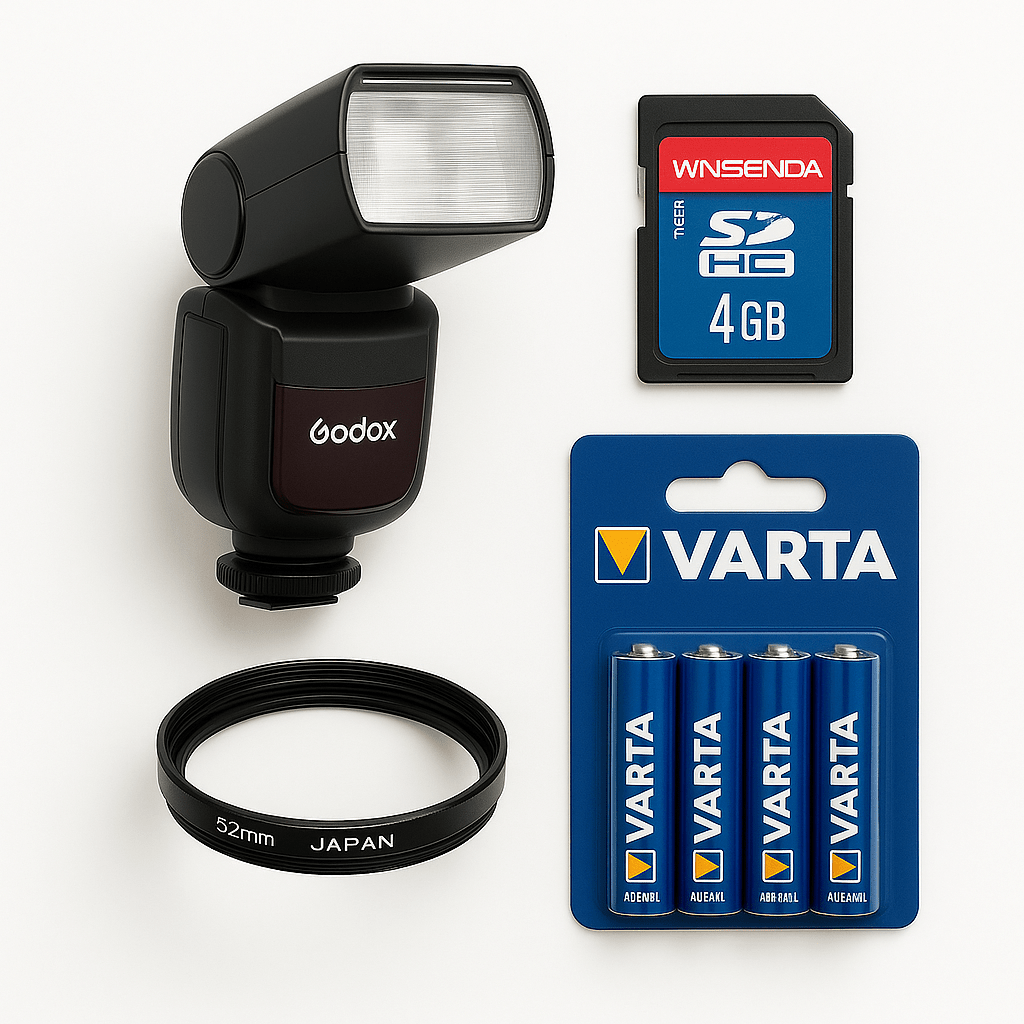
Concerts expose cameras to haze, drink spills, and sweat. Wipe down your gear after every show with a microfiber cloth. Keep silica gel packs in your bag to fight condensation on older electronics.
- Carry a microfiber cloth and sensor-safe cleaning kit.
- Seal your gear in a dry bag after shows.
- Test buttons and dials monthly for stickiness.
I once skipped cleaning after a smoky bar show — the next gig, my lens focus ring stiffened mid-set. After a thorough clean, it snapped back into perfect operation. Care keeps used gear reliable.
Creative Ways to Use Second-Hand Gear for Unique Concert Shots
Discover how to turn quirks of older equipment into creative advantages that make your concert portfolio stand out.
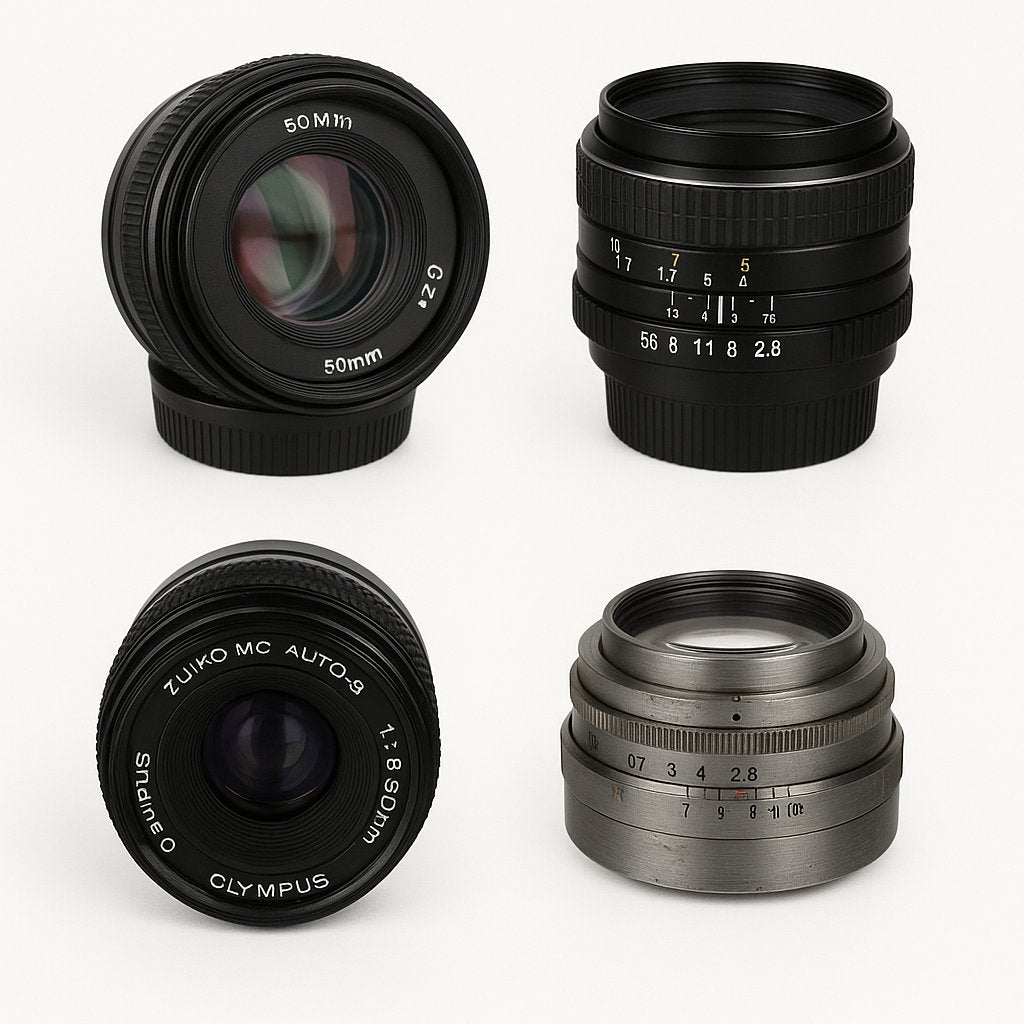
Manual-focus vintage lenses create soulful flare and bokeh impossible with modern glass. Experiment with silhouettes, reflections in instruments, or shooting from behind amps. These compositions add story where viewers expect only lights and faces.
Invite your own twist: maybe your favorite photo came from leaning on a monitor speaker and catching that moment the audience’s hands rose together. That’s the soul of concert photography with used gear — spontaneous, gritty, alive.
Upgrade your setup sustainably—find quality second-hand lenses that perform like new.Quick Decision Guide
- New to concerts? Start with a used APS-C DSLR and a 50mm f/1.8 lens for reliability.
- Need stealth? Go mirrorless for silent shutter and compact handling.
- Crave style? Pair a vintage manual lens for artistic character and film-like depth.
- On tour? Choose gear with strong battery life and minimal parts to fail.
FAQs
- What used cameras perform best for concert photography?
- Look for full-frame or APS-C models with strong high-ISO performance. Reliable used Canon, Nikon, or mirrorless bodies balance cost and quality.
- How do I clean and maintain used concert gear?
- Use a blower and microfiber cloth, avoid moisture, and service sensors periodically. Clean after every smoky or outdoor show.
- Are second-hand lenses good for low-light concerts?
- Absolutely. Fast prime lenses at f/1.8 or f/2 open up more light and often deliver stellar performance for less cost.
- How can I look professional using used camera gear?
- Know your equipment’s limits, apply smart exposure control, and edit carefully for consistent color and tone.
- What should I check before buying a used camera for concerts?
- Inspect sensor cleanliness, shutter count, and autofocus accuracy in dim light. Confirm firmware compatibility with your lenses.