







What Makes the Y2K Photo Look So Iconic?
Here’s what you’ll get: an understanding of how the early digital era created that unmistakable flash-heavy, carefree aesthetic still loved today.
If you flip through any early-2000s photo album, you’ll recognize the look instantly—bold colors, direct flash, and a touch of grainy magic that made every party or hangout feel cinematic. Back then, consumer digital cameras were new. Their tiny sensors and simple processors gave photographs that slightly overexposed glow that became the era’s signature.
That imperfection, once considered technical limitation, is now pure nostalgia. Good news: you don’t need an authentic Y2K camera to get it. A gently used compact from the late 2000s or 2010s can replicate those vibes effortlessly—no filter packs needed.

Used Compact Cameras: The Secret to Affordable Y2K Energy
Here’s what you’ll get: insight into why modern used compacts are your best eco-friendly shortcut to Y2K-inspired photography.
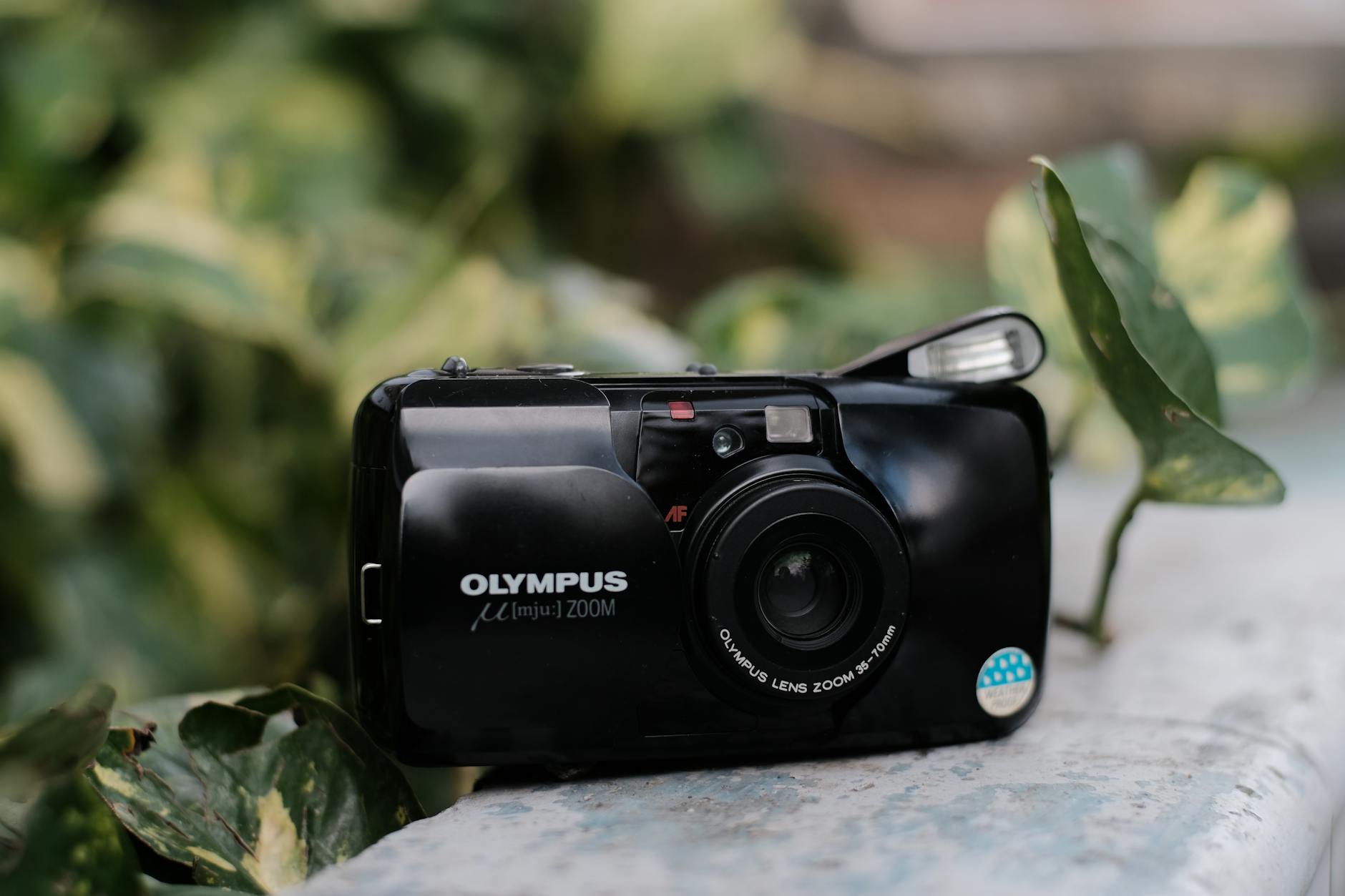
Today’s used compact cameras bring that early-digital magic back with sharper reliability and a far lighter carbon footprint. Many models still feature bright built-in flashes, small sensors, and slightly exaggerated contrast—all key elements for Y2K authenticity.
Imagine finding an old point-and-shoot in a thrift shop drawer, firing off a few shots, and realizing the images look like a 2005 social feed. That spark is what drives modern creators to reuse rather than re-buy.
- ✅ Check that lens glass is clear and scratch-free.
- ✅ Test flash and basic menu functions.
- ✅ Verify that battery type and memory cards are still available.
Pros
- Affordable entry into digital retro looks.
- Eco-conscious—keeps electronic waste out of landfills.
- Pocketable and intuitive to use on the go.
Cons
- Limited manual control on some models.
- Older screens and batteries may need replacement.
Creative Tips for Capturing the Y2K Feel Today
Here’s what you’ll get: clear, actionable techniques to channel the early 2000s energy into new photos, using only your reused compact.
A strong flash is your best friend. Don’t be afraid to use it even in sunlight—yes, even outdoors. That direct burst of light saturates clothing colors and levels out shadows for instant retro drama.
One creator recently turned an ordinary living room into a 2005 house‑party scene using only a compact digital camera and the built‑in flash. The results? Chrome‑toned faces, poppy highlights, and that spontaneous candid vibe of early social media photos.
- 📸 Use flash even in daylight to mimic 2000s lighting.
- 🎨 Shoot slightly underexposed for truer Y2K highlights.
- 🧷 Try reflective surfaces and colorful backgrounds.

Caring for Your Used Compact Camera
Here’s what you’ll get: maintenance knowledge to ensure your compact stays functional and eco-friendly for years.
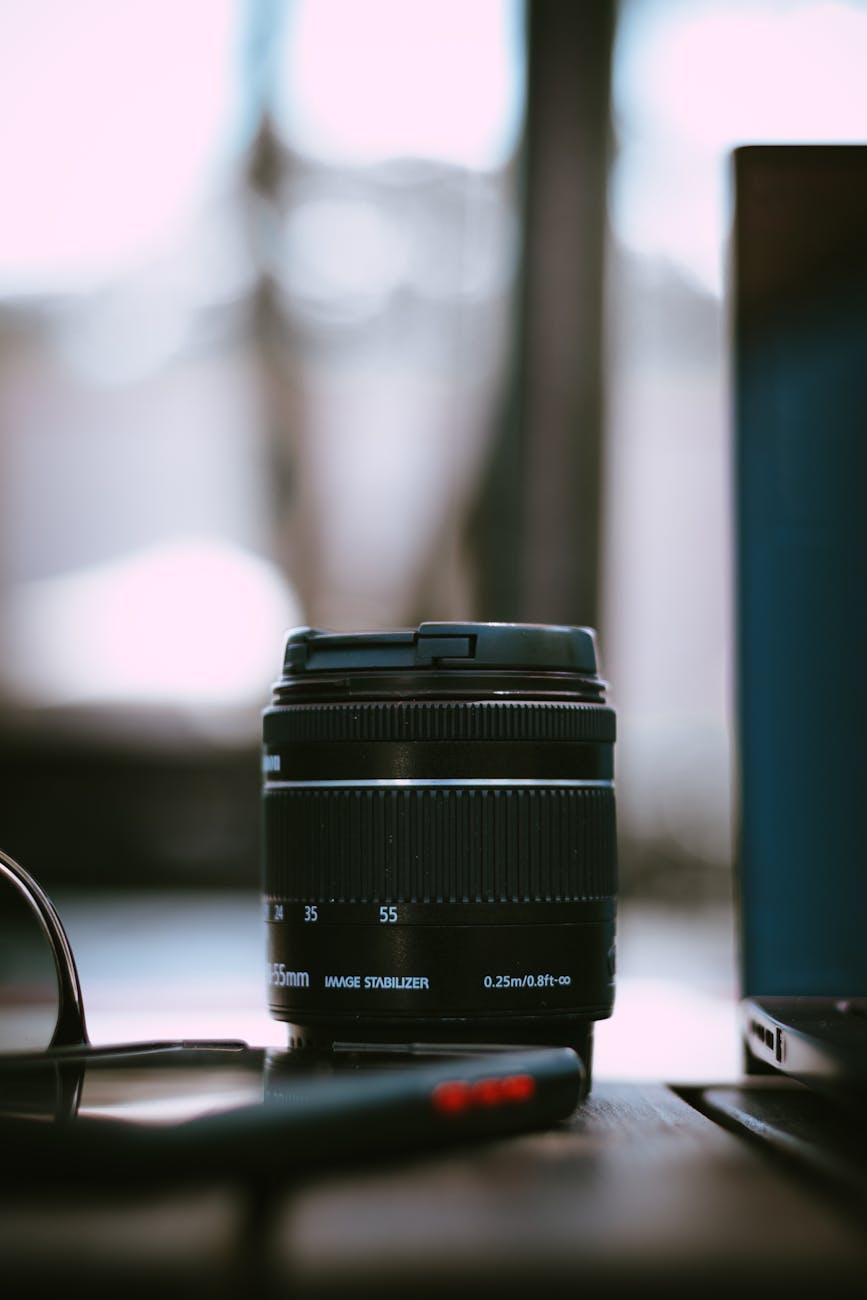
Compact cameras are tough, but a little care preserves their charm. Treat them like any precision tool—clean lenses gently, store batteries correctly, and format memory cards to prevent data issues. Each small action keeps your sustainable gear in rotation longer.
- 🧽 Wipe body and lens with a soft microfiber cloth.
- 🔋 Remove batteries if stored for long periods.
- 💽 Format memory cards occasionally for reliability.
Used Compact vs Original Y2K Camera: Which to Choose?
Here’s what you’ll get: a fair comparison so you can decide whether a reused modern compact or a true vintage model fits your creative goals.
Early‑2000s compacts hold nostalgic value, but used models from later years mirror the same results with better battery life, cleaner sensors, and easier storage compatibility. The big bonus: buying reused gear promotes sustainability without compromising artistic grit.
| Name | Best for | Spec | Look/Result | Latitude/Usability | Notes |
|---|---|---|---|---|---|
| Used Compact Camera (post‑2010) | Everyday retro creators | 10–20 MP small sensor | Sharp yet nostalgic color pop | High—simple menus, full auto modes | Reliably sustainable and repairable |
| Original Y2K Camera (2000–2004) | Collectors and purists | 2–5 MP CCD sensor | Soft lo‑fi bloom | Low—aging batteries, limited cards | Great charm, but fragile electronics |
Pros
- Used compacts: sustainable, stable, easy to maintain.
- Original Y2K cameras: authentic signature noise and contrast.
Cons
- Vintage units often need rare batteries or adapters.
- Modern compacts lose some vintage unpredictability.
Quick Decision
- For reliability and sustainability → choose a used compact camera.
- For pure collectible value → opt for an original Y2K camera.
- For minimal environmental impact → stick with reused gear already in circulation.
- For quick, flash-driven creative shoots → reuse a digital compact with manual flash control.
FAQ
- Can you get Y2K-style photos with a used compact?
- Yes. Use the built-in flash, bold color settings, and a small-sensor compact to easily evoke the vintage digital charm.
- What’s the best used compact for retro aesthetics?
- Look for point-and-shoot cameras with powerful flash and minimal noise reduction. Mid‑2000s to early‑2010s models balance detail with that iconic lo‑fi punch.
- How do you keep a used compact camera working longer?
- Always start with clean batteries, dry storage, gentle lens wipes, and occasional formatting to keep files stable.
- Why choose a used compact over a vintage Y2K model?
- Used compacts cost less, avoid e‑waste, and offer similar textures without the risk of failing batteries or outdated storage cards.
Start your Y2K-style journey—find your next used compact today.
Whether you’re chasing early-digital glow or advocating sustainability through creative reuse, a second-hand compact gives you both. Ready to dive in? Discover thrifted point-and-shoot cameras and start experimenting with that iconic Y2K vibe in your own way.