







Buying a second-hand DSLR or mirrorless camera is an environmentally friendly and affordable way to grow as a photographer. Here’s how to truly get to know it through purposeful practice.
1. Getting to Know Your Used Camera
This section helps you become comfortable with your camera’s layout, controls, and quirks before diving into serious photography.

Every second-hand DSLR camera arrives with its own history. Take time to explore every dial and menu item. Understanding the difference between DSLR and mirrorless systems—such as viewfinder feedback or autofocus styles—lays a strong foundation for consistent results.
- Inspect body for visible wear or missing rubber grips.
- Check shutter count and sound. A healthy mechanism clicks confidently.
- Attach a lens and test autofocus hunting and precision.
- Gently clean lenses and sensor with proper tools to remove lingering dust.
When I first lifted my used DSLR, the buttons felt foreign—until one evening I realized I could switch modes without looking. From then, it felt like an extension of my hand.
2. Essential Setup and Function Tests Before First Shoot
This section ensures your used gear performs correctly by walking through test modes and exposure checks before your first real photo outing.
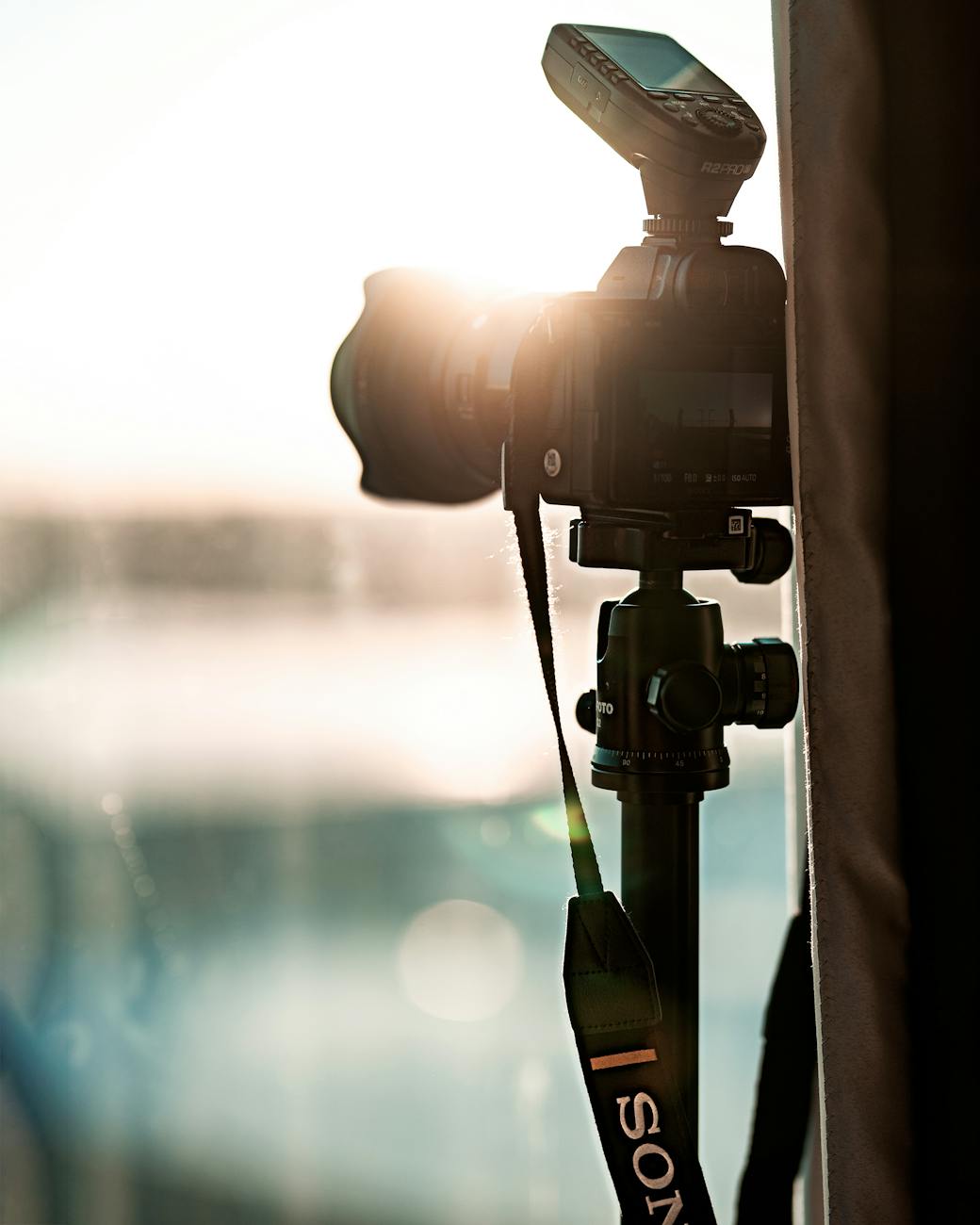
- Insert a charged battery and formatted memory card.
- Shoot test frames in Manual, Aperture, Shutter, and Auto modes.
- Compare exposures for metering consistency across modes.
- Check white balance by photographing scenes under different lights.
- Transfer images to your computer and inspect for focus accuracy and sensor hot pixels.
I once discovered subtle focus drift on my used lens—every portrait had soft eyes. Adjusting the camera’s autofocus fine-tune menu fixed it within minutes, saving my next session.
3. Beginner Practice Assignments to Build Skill
These short exercises turn technical understanding into real-world confidence, helping you test exposure, motion, and composition using your used camera’s full potential.

Try These Assignments:
- Take a portrait lit only by window light.
- Capture motion blur of passing traffic or a moving pet.
- Shoot in low light handheld to explore ISO impact on noise.
- Compose a still image using the rule of thirds and leading lines.
When I finally nailed a handheld street shot at dusk, seeing the subtle motion trails and crisp subject edges felt like unlocking my camera’s soul.
Pros
- Hands-on practice accelerates comfort with camera controls.
- Improves technical reflexes for real shooting scenarios.
- Encourages creative thinking under different lighting.
Cons
- Requires patience; mistakes are part of the learning curve.
- May reveal gear limitations that challenge beginners initially.
4. Creative Projects to Boost Confidence
This segment inspires weekly themes and photo walks that transform routine practice into artistic exploration.

- Launch a 7-day mini project studying light at different times of day.
- Assign themes like reflections, symmetry, or minimalism each week.
- Join local photo walks or online groups for feedback and ideas.
- Limit yourself to one lens to master composition discipline.
During one reflection-themed weekend, a rain puddle mirrored city lights so beautifully that photography transformed from exercise to meditation.
5. Reviewing and Evolving Your Results
This final phase teaches you to analyze your images systematically so you can see tangible improvement over time.
- Organize shots into folders by assignment type.
- Note exposure settings that worked best in each scenario.
- Study EXIF data for trends—like preferred focal lengths or ISO ranges.
- Reattempt early tasks every few weeks to measure growth and consistency.
Looking back at my first portraits, I noticed how my framing had tightened and light control matured—proof that repetition builds instinct.
DSLR vs Mirrorless: Which Path Fits You?
Understanding these two systems helps you capitalize on your used purchase and future-proof your learning journey.
| Name | Best for | Key Spec | Look/Result | Usability | Notes |
|---|---|---|---|---|---|
| DSLR | Learning manual control and optical viewfinder use | Optical mirror system | Classic dynamic range, robust build | Excellent with long battery life | Perfect for tactile learners |
| Mirrorless | Real-time exposure preview and silent shooting | Electronic viewfinder | Compact, quick autofocus | Lightweight and modern | Ideal for travel and experimentation |
Quick Decision Guide
- Pick a DSLR if you enjoy traditional handling and optical framing.
- Choose a mirrorless model for feedback-driven experimentation.
- Start with everyday assignments before upgrading lenses.
- Visit our essential photography accessories page to complete your setup.
Frequently Asked Questions
What are the best practice exercises for a used camera?
Start with focus and light tests. Then progress toward composition projects that include reflections, patterns, or capturing motion in varied environments.
How do I check a second-hand DSLR before use?
Inspect visible surfaces, check shutter count and button response, and ensure the lens mount clicks securely. If possible, test autofocus and ports for reliability.
Is a mirrorless or DSLR better for learning?
Both are excellent. DSLRs teach control fundamentals; mirrorless systems give real-time previews that encourage experimentation. Choose comfort and workflow over trends.
What creative photo projects help master a used camera?
Try weekly mini-themes like symmetry, texture, or motion. Blend technical goals—like focusing accuracy—with storytelling elements to deepen your practice.
Next Steps
Explore our curated selection of affordable used cameras to start your practice journey. Every piece of pre-loved gear has a new story waiting through your lens.