



The Samsung L100: A Snapshot of the Late 2000s
The Samsung L100 belongs to a very specific era of digital compact cameras: slim metal bodies, tiny sensors, and a promise that you could put a whole holiday in your jeans pocket. Today, that era feels nostalgic—and the L100 has quietly become a fun tool for lo-fi image makers who want that unmistakable 2000s digital vibe.
Instead of clinical sharpness and 50-megapixel perfection, the L100 gives you modest resolution, punchy colour, and a little grit. In a world of endlessly editable smartphone shots, that built-in imperfection feels fresh again.

My first digital camera was a tiny silver compact like this. The photos were grainy, the colours too warm, and half the party shots were a little out of focus—but that’s exactly why they’re unforgettable. You can almost feel the room, the noise, the flash reflecting in tired eyes and cheap decorations.
Key Technical Traits that Shape Its Look
CCD sensor character
At the heart of the Samsung L100 is a small CCD sensor—typical of late-2000s digital cameras. CCD sensors tend to produce rich colour, noticeable mid-tone contrast, and a type of digital noise that feels more “grainy” than harsh. That’s a big part of why images from cameras like the L100 feel different from today’s ultra-clean smartphone files.
Compact zoom and modest resolution
The built-in zoom lens covers a practical range for snapshots, portraits, and casual street photography. You get enough reach for framing, but not so much that you start worrying about perfection. Combined with modest megapixel counts by modern standards, it encourages you to focus on moment and mood instead of zooming in to 300%.

Rear LCD and simple menus
The L100’s LCD is small and basic by current standards, which means you spend less time pixel peeping and more time shooting. Menus are straightforward: flash, ISO, timer, a few scene modes, and playback. It’s the kind of camera you can hand to anyone at a party and trust that they’ll figure out how to use it in seconds.
Why the Samsung L100 Works for Creative Lo-Fi Photography
Built-in nostalgia: saturation, contrast, and noise
The L100’s in-camera processing is where the magic happens. Colours lean naturally saturated, contrast sits in that sweet mid-range, and higher ISOs introduce visible digital grain. Instead of fighting these “flaws”, you can lean into them for a look that feels like old social media uploads, family holidays, and early forum snapshots.
If you’re into lo-fi aesthetics, this camera saves you from having to fake it later in software. What you see is essentially what you get—straight out of the memory card.
Flash-heavy, Y2K-style shooting
Onboard flash is another core part of its character. Use it indoors and at night, and you’ll get that classic overexposed-foreground, dark-background look that defined countless 2000s parties. Red-eye, blown highlights, and hard shadows become part of the visual language rather than problems to solve.
Practical Shooting Tips and Setup Ideas
Checklist before each outing
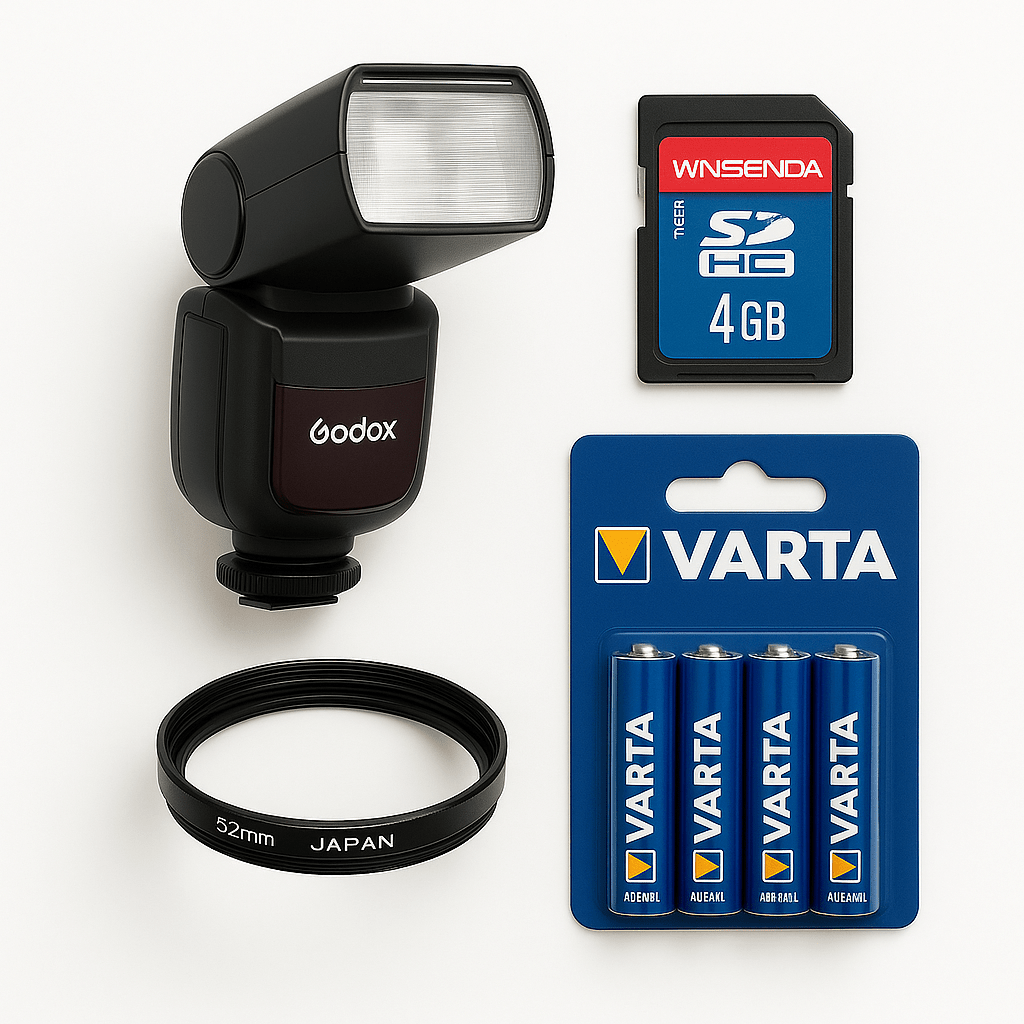
- Charge a fresh SLB-10A battery for every shoot.
- Use 2–4GB SD cards formatted in-camera.
- Keep a wrist strap attached for better handheld stability.
- Shoot with flash for classic Y2K lighting.
- Embrace visible noise instead of post-processing it out.
- Inspect lens zoom for smooth operation.
- Check LCD brightness and pixel uniformity.
- Confirm charger and battery compatibility.
- Avoid units with autofocus or lens motor errors.
Creative ways to use the Samsung L100
Street and everyday life: Set the camera to auto, keep it in your pocket, and only lift it for fleeting details: reflections in windows, neon signs, friends mid-conversation. The slight shutter lag and autofocus quirks mean not every frame is perfect—but the ones that hit feel alive.
Parties and gatherings: Turn on flash, hand the L100 to your friends, and let everyone shoot. You’ll end up with chaotic, honest photos that show how the night really felt, not how it looked in a polished feed.
Video experiments: Even though resolution is limited, clips have that camcorder-like charm, ideal for cutting between smartphone footage in a music video or personal mini-documentary.
Buying and Caring for a Second-Hand Samsung L100
What to look for when shopping used
Buying second-hand keeps gear in use longer and reduces waste, but you’ll want to check a few things carefully. When browsing a point and shoot like the L100, focus less on surface scratches and more on core functionality.
Key checks include:
- Battery and charger: Make sure an SLB-10A battery is included or readily available, and confirm the charger is compatible and functioning.
- Lens action: Power the camera on and off several times. The zoom should extend and retract smoothly, without grinding noises or hesitation.
- Autofocus behaviour: Half-press the shutter on different subjects. If the camera regularly shows focus errors or refuses to fire, walk away—lens and AF issues are often not economical to repair.
- LCD quality: Look for solid brightness, no large clusters of dead pixels, and a stable image when reviewing shots.
- Card slot: Insert and remove an SD card to ensure the slot feels firm and reads the card properly.
Longer-term care
Store the L100 somewhere dry, keep a battery out of the camera when not in use for long periods, and avoid leaving it powered on in pockets or bags, where the zoom could accidentally extend. A simple case or pouch makes a big difference in protecting the lens door and body from unnecessary wear.
Conclusion: A Compact Time Machine for Today’s Creators
The Samsung L100 isn’t about technical supremacy. It’s about small files packed with memory, emotion, and the unmistakable feel of the 2000s: CCD colour, visible noise, and flash-lit faces. For photographers and creators tired of chasing perfection, it offers something more interesting—a chance to embrace limitation and let the camera’s personality show.
Whether you’re building a lo-fi photo zine, shooting reference material, or just documenting nights out with friends, a second-hand L100 can be a surprisingly powerful creative partner. It’s a compact time machine, ready to bring that early-digital energy into your projects today.
FAQs
Is the Samsung L100 still usable in 2026? Yes. Replacement batteries and SD cards remain available, and while the resolution is modest by modern standards, the L100 is fully functional for everyday creative projects and personal documentation.
What gives the Samsung L100 its distinctive lo-fi look? Its CCD sensor and in-camera processing create natural saturation, mid-level contrast, and visible digital grain, producing a nostalgic texture that feels very different from current smartphone images.
What should I check before buying a used Samsung L100? Test battery health, lens zoom operation, autofocus, and LCD clarity. Avoid bodies that show lens or focus errors, as these issues are often unrepairable. Light cosmetic wear is usually no problem.
Can the Samsung L100 shoot video worth using? Yes. The 640×480 footage is low-resolution but full of 2000s-era charm, ideal for nostalgic edits, background clips, or layering with modern footage for contrast.
Ready to explore more characterful cameras like the Samsung L100? Browse our curated selection of second-hand digital cameras, including quirky digital compact cameras and every type of point and shoot designed to make photography fun again.