



The Enduring Appeal of the Polaroid 636 Closeup
The Polaroid 636 Closeup sits at a sweet spot in instant photography: robust enough for everyday use, simple enough for complete beginners, and charming enough to win over digital natives who have never waited for a print to appear. Made for Polaroid 600 film, it helped define the “party camera” look that so many mobile apps now try to imitate.
In a world of endless retakes and filters, the 636 Closeup offers something different: a single frame, a shared moment, and a tangible print that becomes part of the memory itself. That rhythm—compose, click, whirr, wait—slows you down in the best possible way.
I still remember the first time I watched a Polaroid print slowly appear. The image was faint and ghostly at first, and everyone leaned in around the table. As the colors deepened, it felt like the memory was developing in real time, anchored to paper instead of a screen. That tiny ritual—the sound, the smell, the waiting—stuck with me far more than any digital snapshot ever has.
For many photographers, that ritual is exactly why the 636 Closeup continues to be a favorite second-hand find, whether as a first step into analog cameras or as a fun sidekick to a modern digital kit.
Key Features of the Polaroid 636 Closeup

Instant simplicity with built‑in flash
The 636 Closeup is built around ease of use. You drop in a Polaroid 600 film pack, close the door, and the camera is ready. The fixed-focus lens is tuned for everyday snapshots, while the always-ready flash helps balance indoor and low-light scenes.
To keep the look natural, it pairs best with soft or indirect light. Use natural or soft light to complement flash output, avoiding harsh shadows while still keeping subjects crisp.
Closeup capability and classic 600 compatibility
The defining extra of this model is its “Closeup” mode, allowing you to get closer to your subject than many older Polaroids. This is ideal for portraits, details of objects, or small scenes arranged on a tabletop.
The 636 Closeup uses 600-series film. You can experiment with both color and black & white 600 film to change the vibe of your shots without touching a settings menu.

How Photographers Use It Creatively Today
Portraits, parties, and personal projects
Today’s photographers lean on the 636 Closeup for portraits with character, wedding guest books, and unique party favors. Its slightly soft, nostalgic rendering flatters skin tones and turns even casual moments into keepsakes.
Use natural window light with the flash to give faces a gentle glow, and switch to Closeup mode for intimate headshots that feel more like tiny art prints than simple snapshots.
Mixed media and analog experiments
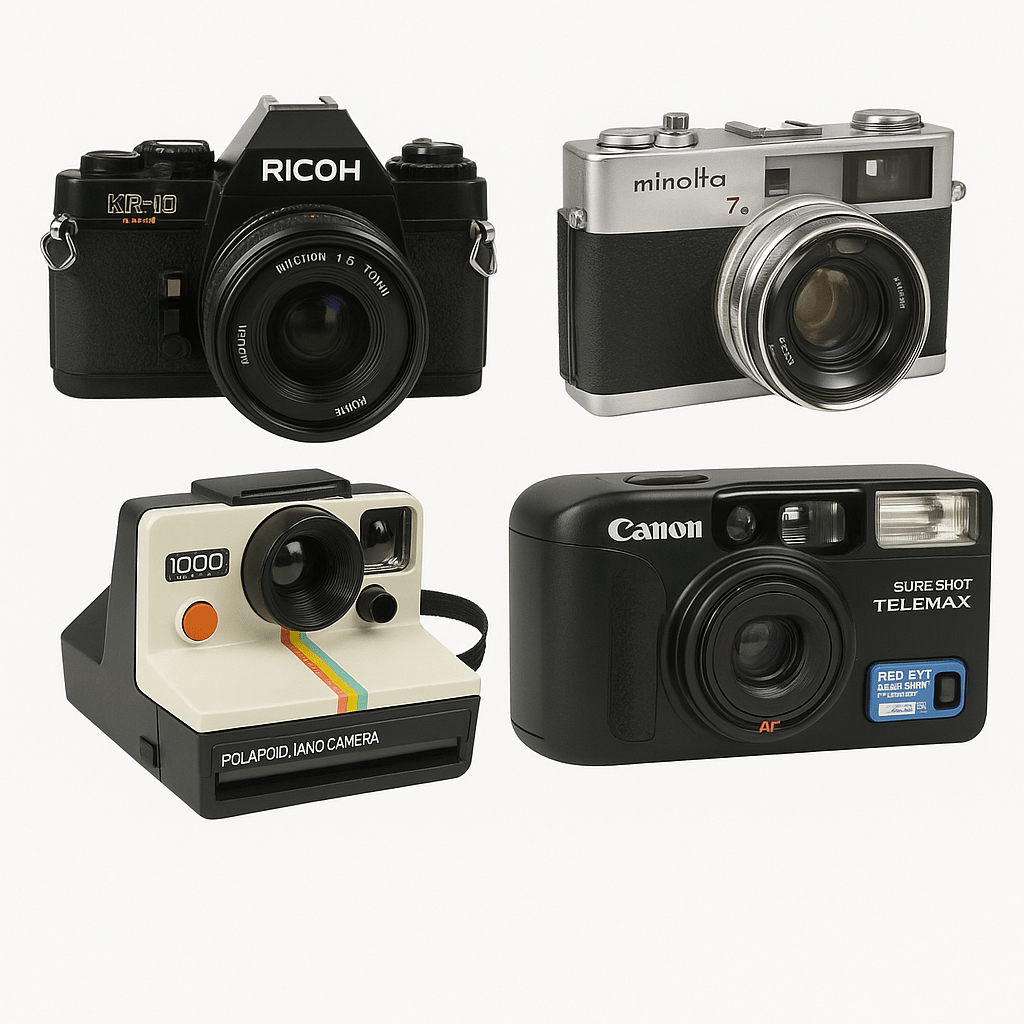
Artists often pair the 636 Closeup with other instant cameras, 35mm bodies, and digital systems. A single event might be shot on multiple formats, with Polaroids becoming the physical storyboard pinned to a studio wall.
The unique color palette of modern Polaroid film invites experimentation: layer prints with paint, collage them into sketchbooks, or scan and combine them with digital work for hybrid projects.
Buying a Polaroid 636 Closeup on the Second-Hand Market
What to inspect before you buy
The 636 Closeup is usually durable, but sensible checks make a big difference when shopping used. Use this quick checklist to evaluate a camera:
- Check hinge and film door latch for cracks or stiffness.
- Test flash with a working film pack or demo video.
- Inspect lens for clarity; light scuffing is normal.
- Clean rollers with cotton swab and isopropyl alcohol.
- Keep microfiber cloth for cleaning viewfinder and lens.
- Use film packs before expiration for best results.
A healthy 636 Closeup should open and close smoothly, whirr confidently when it ejects the dark slide or a photo, and give a reassuring flash-charge sound when you half-press the shutter.
Why buy second-hand from a specialist
Buying from a dedicated second-hand store reduces guesswork. At DutchThrift, each camera is inspected for structural issues, cleaned, and test-fired when possible, so you can spend more time shooting and less time debugging.
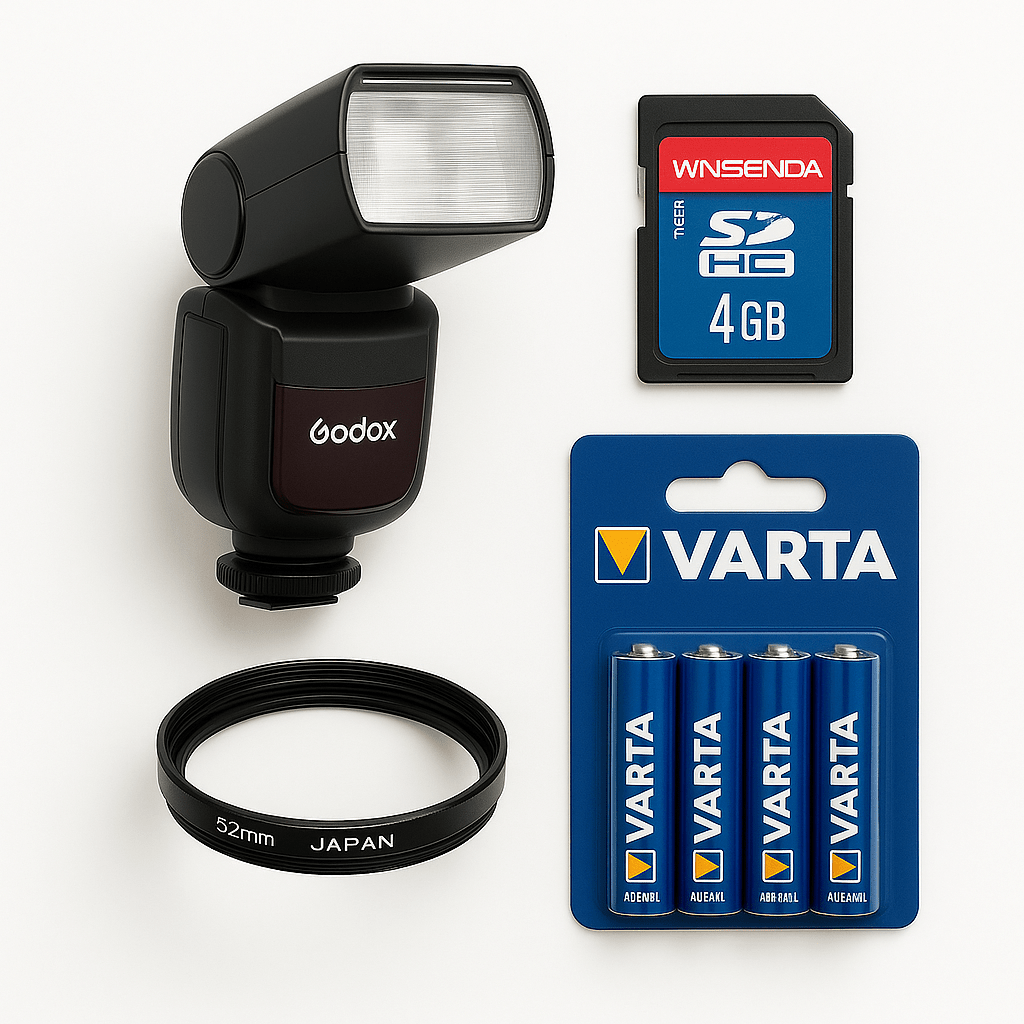
Pairing a 636 Closeup with thoughtfully selected photography accessories—such as straps, cases, and cleaning kits—helps extend its working life and keeps waste out of landfill.
Preserving and Enjoying Your Instant Prints
During development: protect the magic
Modern Polaroid 600 film is more robust than vintage stocks, but it still appreciates a little care. When a new print ejects, protect prints from light during development by placing them face down or slipping them into a pocket or photo box for the first few minutes.
This simple habit helps colors deepen evenly and reduces the risk of strange streaks caused by aggressive lighting.
After development: long-term care
Once your photo has fully appeared, treat it like a small painting. Store developed images flat to prevent curling, ideally in archival sleeves or albums. Avoid prolonged direct sunlight, which can fade colors over time.
For travel or events, a small, rigid photo case keeps new prints safe in your bag. Many photographers enjoy creating physical walls or scrapbooks of their Polaroids, turning ephemeral moments into a lasting personal archive.
Why the 636 Closeup Still Matters in 2025
Analog authenticity in a digital era
In 2025, the Polaroid 636 Closeup is more than a nostalgic toy. It is a practical tool for photographers who value authenticity, limitation, and sustainability. Each frame costs something, which encourages patience and intention. Each camera that finds a second life keeps plastic and electronics in use and out of the waste stream.
A perfect companion to modern gear
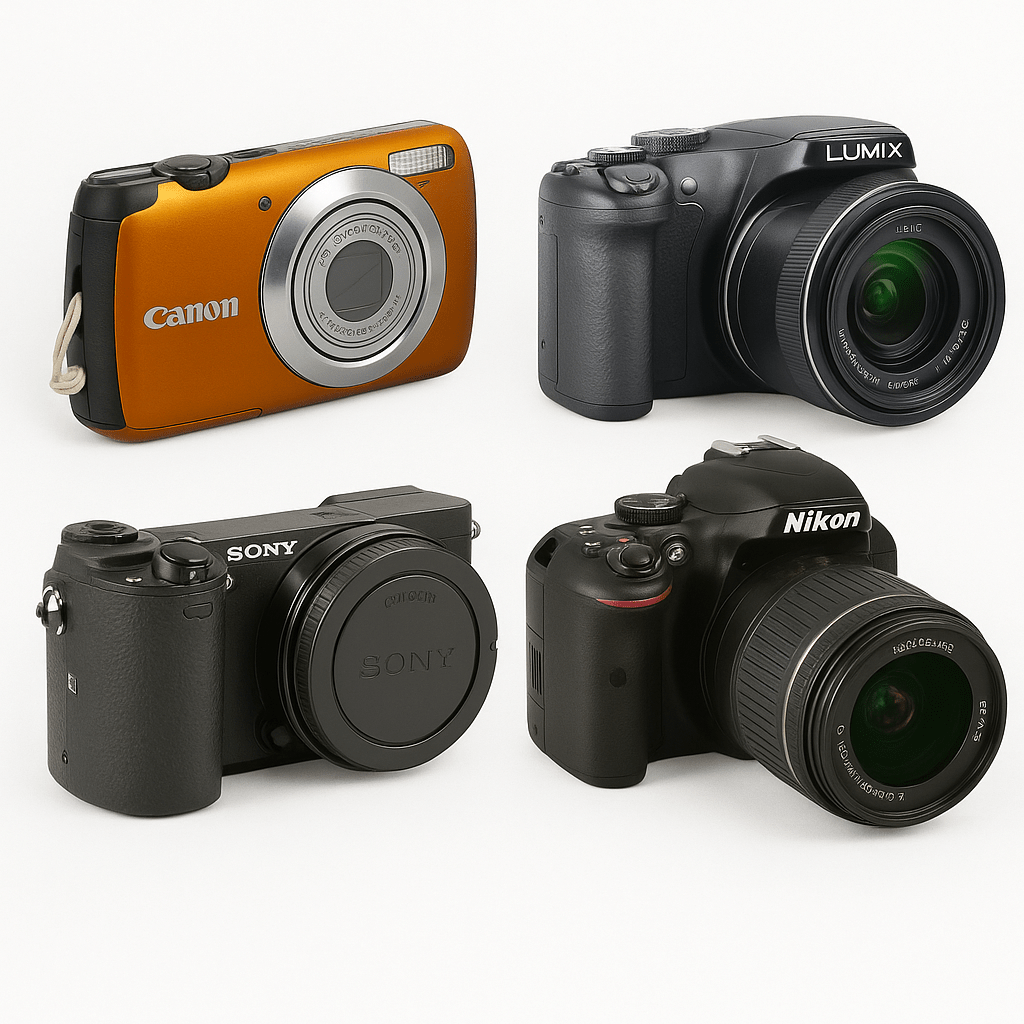
For many creators, the 636 Closeup works alongside mirrorless bodies, smartphones, and film SLRs. Instant photos serve as mood references, storyboards, or final artworks in their own right. Whether you are new to film or deep into the world of instant cameras, the 636 Closeup remains an accessible, characterful way to experience photography as a physical craft.
From first-time shooters to seasoned analog enthusiasts, it continues to prove that slower, more deliberate image-making has a place in contemporary visual culture.
FAQs
Does the Polaroid 636 Closeup need batteries? No. It draws power directly from the battery inside each Polaroid 600 film pack, so there is no separate battery to charge or replace.
Can I still buy film for the Polaroid 636 Closeup? Yes. Polaroid still produces 600 and i-Type film compatible with the 636 Closeup, in both color and black & white variants.
What should I check before buying a used Polaroid 636 Closeup? Inspect the folding mechanism, make sure the flash charges with a clear whine, check the lens for clarity, and confirm that the rollers move freely. Minor scuffs on the body are normal.
Is it suitable for professional photography projects? Yes. Many creatives use the 636 Closeup for portraits, event souvenirs, and mixed-media art where the analog charm of instant film adds value that digital files cannot replicate.
Ready to explore more? Discover carefully inspected instant cameras, classic analog cameras, and sustainable photography accessories curated by DutchThrift.