



A Snapshot of the Panasonic Lumix DMC‑FX10
Pocket‑sized, point‑and‑shoot simplicity
The Panasonic Lumix DMC‑FX10 is the kind of camera you can slip into a jacket pocket and forget about until the moment appears. It is a classic early‑2000s compact: metal‑feeling front, small rear LCD, built‑in zoom lens and a straightforward interface that lets you take a photo within seconds of powering on.
Unlike today’s phones, the FX10 is unapologetically a camera. There are no apps, no notifications, just a power switch, a shutter button and a zoom rocker. It is this focus that still makes it attractive for anyone who wants to slow down and rediscover the simple joy of taking pictures.

How instant feedback reshaped photography
I still remember my first digital compact: that tiny LCD felt like magic. For the first time I could see the result of a shot seconds after pressing the shutter. It changed the way I photographed — I experimented more, tried strange angles and played with motion blur — because mistakes were free and instantly visible.
The FX10 offers that same experience today. You shoot, you review, you adjust. For beginners and nostalgic photographers alike, this loop is incredibly liberating.
Technical Personality: The CCD Difference
What the CCD sensor does for your images
At the heart of the Panasonic Lumix DMC‑FX10 is a CCD sensor, a technology that has largely disappeared from modern consumer cameras. CCDs tend to render colour and highlight transitions in a way many photographers describe as “creamy” or “film‑like”, with a gentle roll‑off in bright areas and surprisingly pleasant noise at higher ISO values.
On the FX10, this translates to nostalgic tones, punchy but not over‑processed colours and a slightly gritty texture when the light gets low. It is a far cry from the ultra‑clean look of current smartphones and that is exactly why many creators are seeking out cameras like this.
Optical Image Stabilization and flash
The FX10 also features optical image stabilization (OIS) and a small built‑in flash. Together, they make handheld shooting at slower shutter speeds more forgiving, and they add a distinctive compact‑camera aesthetic when the flash fires — think snapshots from early social media days, but with intent.

Why It Still Matters Today
A creative tool for lo‑fi digital art
In 2025, the Panasonic Lumix DMC‑FX10 is not about chasing technical perfection. It is about aesthetic. Artists, filmmakers and content creators increasingly seek hardware that gives them a distinct, in‑camera look without filters. The FX10 delivers that with its CCD sensor, small zoom lens and straightforward JPEG output.
For experimental projects, zines, album covers or social media stories with a retro twist, this camera can become a signature tool. Instead of adding grain and colour shifts afterwards, you capture them at the moment of exposure.
Sustainable nostalgia
Buying a used FX10 is also an act of sustainability. Reusing a compact camera keeps electronics out of landfill and reduces the demand for new manufacturing. When you choose second‑hand gear, you are not only exploring a different visual style, you are also making a quieter, more responsible choice for the planet.
If you enjoy the FX10, you might also enjoy browsing other digital compact cameras with similarly unique rendering.
Practical Tips for Everyday Use
Power, storage and workflow
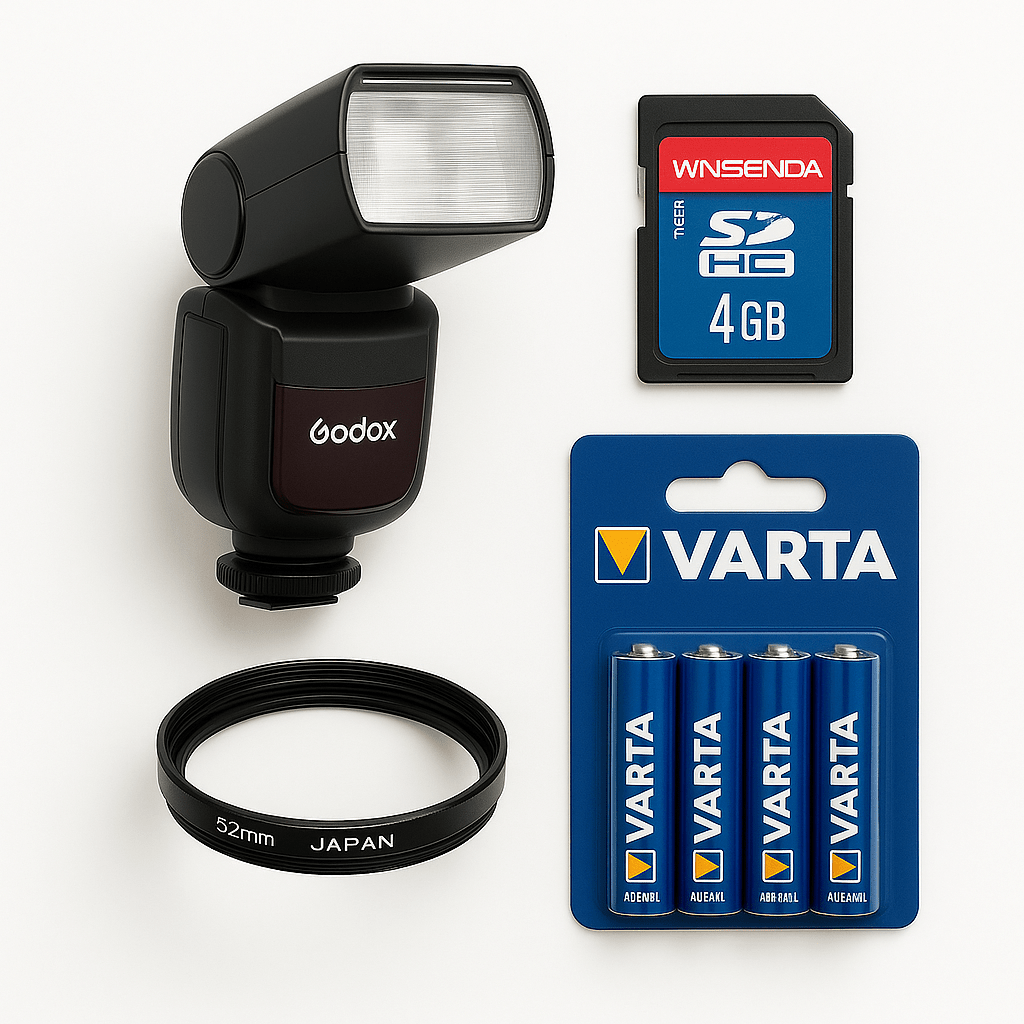
The Lumix FX10 was designed around small, low‑capacity SD cards. For reliability, plan to use standard SD cards up to 2 GB; they are more than enough for casual shooting and help avoid compatibility issues with legacy hardware.
Battery life on older compacts can be unpredictable, so keeping a fully charged spare is essential if you intend to shoot a full day.
Shooting for best results
To get the most out of the FX10:
- Use the lowest ISO that suits the scene for cleaner, more detailed files.
- Let the camera handle white balance, then adjust slightly in post if needed.
- Rely on OIS when shooting static subjects; brace yourself against a wall or table.
- Use the flash intentionally for stylized, direct‑flash portraits and nightlife scenes.
Paired with simple photography accessories like a wrist strap or a small pouch, the FX10 becomes an always‑ready daily companion.
Buying a Used Panasonic Lumix DMC‑FX10
Condition checks that matter
Because the FX10 is no longer in production, buying used is the way to go. A careful inspection helps you find a reliable copy that will keep shooting for years. Use this quick checklist when evaluating a camera:
- ✔ Check lens movement is smooth and motor noise minimal.
- ✔ Inspect LCD for clear display, no dead pixels.
- ✔ Verify flash and OIS still function.
- ✔ Use small capacity SD cards for reliable compatibility.
- ✔ Always carry a charged spare battery.
- ✔ Inspect battery latch and door integrity.
- ✔ Test zoom operation and OIS response.
- ✔ Look for complete set: camera, battery, charger, strap.
- ✔ Prefer tested units from reputable sellers.
Why reputable testing matters
Older digital compacts can hide issues that are not obvious at first glance. A unit tested by a trusted second‑hand specialist, with verified lens movement, a clean sensor and a functioning flash, saves you from disappointment and extra repair costs. Shops focused on used gear understand how these cameras age and which parts are most likely to fail.
When you are ready to expand beyond the FX10, explore additional point‑and‑shoot models that share the same playful, spontaneous nature.
Conclusion: The Charm of a Digital Relic
The Panasonic Lumix DMC‑FX10 sits at a fascinating intersection of old and new. It is digital, but not too digital; simple, but not limiting. Its CCD sensor, modest zoom lens and compact body offer a distinctive alternative to both smartphones and heavy interchangeable‑lens systems.
For creators who value character over perfection, for newcomers who want to learn on a simple tool, and for photographers seeking a sustainable, second‑hand way to experiment, the FX10 remains a quietly compelling option. Pick one up, embrace its quirks and let this small digital relic reshape how you see everyday scenes.
FAQs
Is the Panasonic Lumix DMC‑FX10 still usable in 2025? Yes. With fresh batteries and SD cards up to 2 GB, the FX10 still functions well for digital art, casual shooting and experimental photography projects.
What makes the Panasonic FX10 appealing for creators? Its CCD sensor produces nostalgic tones and textures straight out of camera, giving modern lo‑fi projects a unique look without complex setup or editing.
How can I transfer photos from the Lumix FX10 to a computer? The easiest method is to remove the SD card and use a card reader. Direct USB transfer from the camera can work but is usually slower on modern systems.
What should I look for when buying a used Panasonic FX10? Check that the lens extends smoothly, the flash fires, OIS activates and the LCD is clear. Take a few test photos on a card and verify there are no vertical streaks or unusual colour patterns in the images.
Curious to try the FX10 or something similar? Explore our curated selection of second‑hand digital compact cameras and find the retro companion that fits your style.