



Introduction: A Forgotten German Gem Reimagined
The Enna Munchen Lithagon 35mm f/3.5 is one of those lenses that quietly slipped into history while photographers chased faster, sharper, more clinical glass. Yet in 2025, this modest German wide-angle has become exactly what many digital shooters are looking for: compact, distinctive, and full of character.
Mounted on a modern mirrorless body, the Lithagon brings a slower, more intentional way of shooting. Manual focus, preset aperture rings and vintage optics invite you to think about light and composition in a more tactile way.
I still remember my first vintage lens: a small, worn 50mm that felt oddly heavy after years of plastic autofocus zooms. What drew me in was the deliberate pace—turning a smooth focus ring, seeing the frame “snap” into focus, and realising that imperfections could be part of the story rather than something to fix in post.
A Brief History of the Enna Munchen Lithagon 35mm f/3.5
From Munich to the modern mirrorless world
Enna Werk, based in Munich, Germany, produced the Lithagon series in the mid-20th century, primarily for M42 screw mount and other analog systems. At the time, a 35mm lens was the natural choice for reportage and everyday photography: a field of view wide enough for context but not so wide that it distorted reality.
The Lithagon 35mm f/3.5 was never the fastest lens on the block, but it was a practical workhorse, often sold with analog cameras as an upgrade from the standard 50mm. Today, it is rediscovered by photographers who value its compact size, quirky rendering and historical charm.

Build and Optical Characteristics
Compact, metal and made to be used
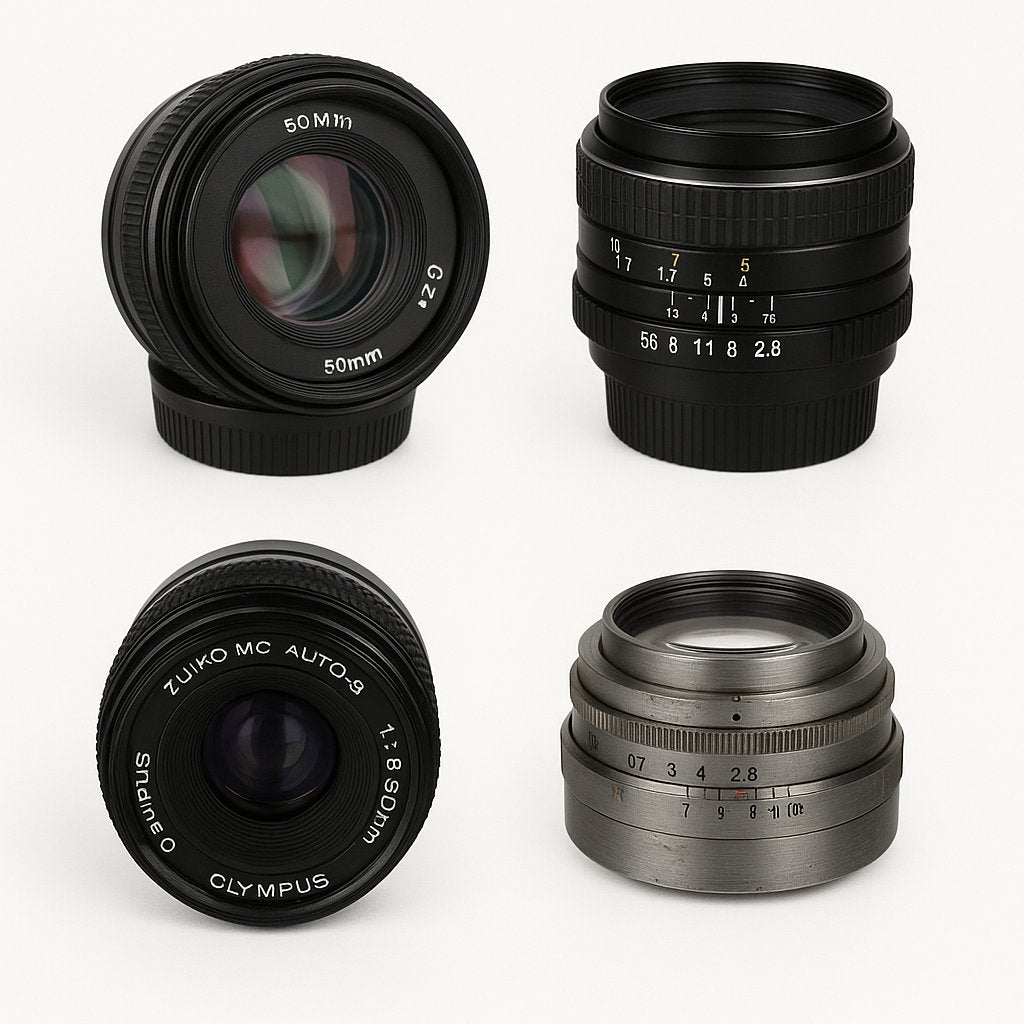
The Enna Munchen Lithagon 35mm f/3.5 was designed in an era when metal barrels and engraved markings were standard. The lens is small, dense, and surprisingly pocketable compared to modern autofocus zooms. Its focus ring typically offers a long, smooth throw that encourages precise manual focusing.
Optically, the Lithagon is not about perfection. Wide open at f/3.5, you can expect gentle corner softness, lower contrast, and a touch of vignetting—elements that can add a nostalgic feel, especially in backlit scenes. Stopped down to f/5.6–f/8, sharpness improves considerably, delivering very usable results for everyday photography.
Rendering and bokeh
With its older coatings and design, the Lithagon tends to produce a slightly lower-contrast image with smooth transitions and a subtle glow in high-contrast situations. Bokeh is calm and unobtrusive when focused close, though 35mm at f/3.5 is better suited to environmental portraits and storytelling scenes than ultra-shallow depth of field.
Modern Use and Adaptation for Digital Cameras
M42 mount, modern bodies
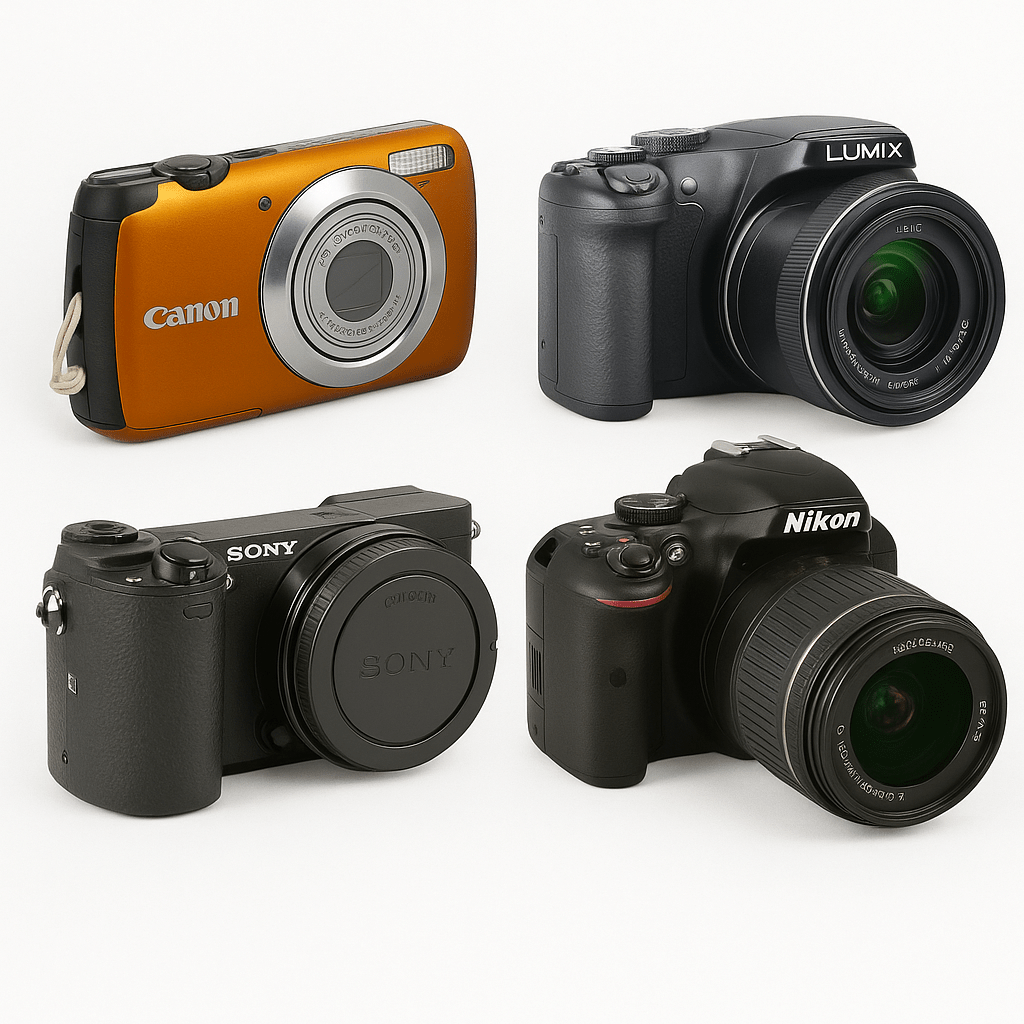
The Lithagon 35mm f/3.5 is usually found in M42 screw mount, which makes it particularly easy to adapt to modern mirrorless systems. With a simple mechanical adapter, you can mount it on Sony E, Fujifilm X, Canon RF, Nikon Z, and Micro Four Thirds cameras.
Since the adapter is purely mechanical, there is no electronic communication. You set the aperture directly on the lens, and the camera is used in aperture priority or manual exposure modes.

Handling on digital
On APS-C cameras, the 35mm focal length behaves more like a standard lens (around 50–55mm equivalent), making it perfect for portraits and everyday shooting. On full-frame digital bodies, it remains a classic wide-angle ideal for street photography, travel and documentary work.
Second-Hand Buying Guide: Finding a Good Copy
Checklist for a healthy Lithagon
Because these lenses are several decades old, condition varies widely. A careful inspection helps you avoid surprises and keeps your setup both sustainable and reliable.
- Check for smooth aperture operation with no oil on blades.
- Inspect focusing ring for smooth rotation.
- Note any haze or fungus inside the optics.
- Verify M42 threads are clean and undamaged.
- Check lens under light for haze or scratches.
- Ensure aperture blades move freely.
- Verify adapter threads fit snugly.
- Look for original lens caps or case for value assurance.
A bit of external wear is perfectly normal and often purely cosmetic. What matters most is clean glass, a responsive aperture and a focus ring that doesn’t grind or stick.
Creative Appeal and Real-World Results
Why choose a lens like this in 2025?
In a time when lenses are designed to be flawless, the Enna Munchen Lithagon 35mm f/3.5 offers something different: personality. Its slightly muted contrast and gentle rendering are ideal if you prefer a filmic look straight out of camera—or if you enjoy editing with a subtle, analog-inspired grade.
For stills, it works beautifully for street scenes, environmental portraits and travel details. For video, the manual focus and smooth mechanics make it a strong choice for a cinematic, indie-film aesthetic. The lens breathes a little when focusing, but many creators see this as part of its charm rather than a flaw.
Conclusion: Why the Lithagon 35mm f/3.5 Still Inspires
The Enna Munchen Lithagon 35mm f/3.5 is not a perfect lens in the modern, clinical sense—and that is precisely why it still matters. It slows you down, encourages you to engage with your subject, and rewards careful use with images that feel timeless rather than hyper-digital.
By choosing a second-hand lens like this, you not only gain a unique creative tool, you also extend the life of precision-made optics that might otherwise gather dust. In 2025, that combination of sustainability, affordability and character is hard to beat.
FAQs
Is the Enna Munchen Lithagon 35mm f/3.5 compatible with modern cameras? Yes. Using an M42 adapter, you can mount it on most mirrorless systems, including Sony E, Fujifilm X, Canon RF, Nikon Z, and Micro Four Thirds bodies.
How sharp is the Lithagon 35mm compared to modern lenses? It is not clinically sharp wide open, but from around f/5.6 onward it delivers good sharpness with a distinct, vintage rendering that many photographers find more pleasing than technically perfect glass.
What should I check before buying a second-hand Lithagon 35mm? Make sure the optics are clear, the focus and aperture rings move smoothly, the aperture blades are free of oil, and the M42 threads are clean and undamaged.
Can I use this lens for video work? Yes. With full manual control it offers a cinematic, slightly low-contrast look that indie filmmakers and content creators often prefer over modern, ultra-crisp lenses.
Ready to explore more characterful glass? Browse our curated selection of second-hand camera lenses and give a classic like the Lithagon 35mm f/3.5 a new life on your digital camera.