



The Legacy of the Nikon F2 and 28mm f/3.5 Nikkor
A professional workhorse that refused to quit
The Nikon F2 is one of those rare cameras that quietly defined what “professional” meant. Launched as the successor to the original Nikon F, it became the dependable tool of photojournalists, documentary photographers, and studio shooters worldwide. Built around a fully mechanical shutter and a modular finder system, the F2 was engineered to keep working in conditions that would make a modern plastic body wince.
Paired with the 28mm f/3.5 Nikkor, the F2 transforms into a compact, fast-on-its-feet street and reportage kit. This 28mm is not about bragging rights or ultra-fast apertures. It is about quiet competence: low distortion, good contrast, and predictable rendering that lets you focus on your subject instead of your gear.

I still remember the first time I released the F2’s shutter in a quiet room. Instead of a harsh slap, there was a tight, confident click, followed by the gentle whirr of the mirror returning home. That precision made me slow down; I started timing my shots to breaths and footsteps, treating each frame as deliberate rather than disposable.
Design and Technical Characteristics
Mechanical heart, human-scale controls
The Nikon F2 is a fully mechanical 35mm SLR. Shutter speeds run from long exposures through to fast action-stopping settings, all powered by springs and gears rather than electronics. The body is dense but not clumsy, with a satisfying balance once the 28mm f/3.5 is mounted.
The control layout is gloriously direct: a shutter speed dial where your fingers expect it, a smooth film advance lever, and a depth-of-field preview that encourages you to pre-visualize rather than “spray and pray.” Many copies come with a metered prism, but the camera itself keeps firing even if the meter dies — a rare freedom in today’s battery-first world.
The 28mm f/3.5 Nikkor: compact clarity
The 28mm f/3.5 Nikkor is a classic wide-angle that pairs perfectly with the F2’s robust body. At 28mm, you get a wide field of view ideal for street, environmental portraits, and travel. The f/3.5 aperture is modest but very usable, especially when paired with modern high-ISO film.
Its strengths lie in sharpness across the frame, pleasing contrast, and gentle vignetting that can give film images a subtle, characterful fall-off. Focusing is via a long, damped throw that makes precise manual focus a calm, tactile experience instead of a chore.

Why It Still Matters to Modern Creators
A teaching tool disguised as a classic
For modern photographers and filmmakers, the Nikon F2 is more than a nostalgic object. Its manual-only operation forces you to understand shutter speed, aperture, and focus — skills that transfer directly to any digital system. Many creators use an F2 as a “bootcamp” camera to sharpen their eye and timing.
The 28mm focal length helps you get close and involved in a scene. You cannot rely on zooming; you have to move your feet, anticipate action, and compose actively. This engagement shows in the final images: they feel present, connected, and intentional.
Second-Hand Buying Guide: Finding a Reliable Nikon F2 Kit
What to check before you commit
Because the Nikon F2 and 28mm f/3.5 Nikkor are decades old, condition matters. A well-kept or serviced kit can easily outlast many new cameras, but a neglected body may need attention. Here are key checks when considering a second-hand purchase, especially online from a curated store like DutchThrift:
- ✅ Test shutter speeds (especially 1s and ½s).
- ✅ Check light seals for decay.
- ✅ Ensure film advance is smooth.
- ✅ Verify aperture blades are oil-free.
- ✅ Prefer serviced copies or well-kept examples.
If you are buying in person, listen to the shutter at various speeds and shine a small light into the lens to check for haze, fungus, or oil on the blades. Online, read descriptions carefully and look for sellers who mention service history and provide clear, high-resolution photos of the mount, glass, and viewfinder.
Film and Digitization Workflows
Choosing film stocks for the F2
The F2 pairs beautifully with versatile, forgiving film stocks. For color, Kodak Portra 400 is a natural fit: it handles overexposure gracefully, retains soft skin tones, and offers enough speed for handheld shooting. For night scenes or mixed lighting, Cinestill 800T adds cinematic halation and tungsten balance that works well in urban environments.
If you prefer black and white, Ilford HP5+ remains a classic. Its wide latitude is perfect for learning exposure, and pushed to higher ISOs it delivers gritty, expressive tones that suit street and documentary work.
Hybrid workflows: film to digital
Most modern creators scan their negatives rather than print everything in a darkroom. After shooting with the F2, you can have a lab scan your film for quick sharing, or scan at home for full control. Once digitized, these files sit comfortably alongside digital camera images in your editing software, giving you a mixed workflow with a coherent visual language.
Maintaining and Accessorizing Your Nikon F2
Keeping a mechanical legend healthy
A well-maintained Nikon F2 can run for decades. Store the camera in a dry place, advance and fire the shutter occasionally even between rolls to keep mechanisms limber, and avoid exposing the body and lens to extreme humidity. If you notice sticky shutter speeds, deteriorated foam seals, or a rough film advance, a professional CLA (clean, lubricate, adjust) is a worthwhile investment.
Accessories that expand the system
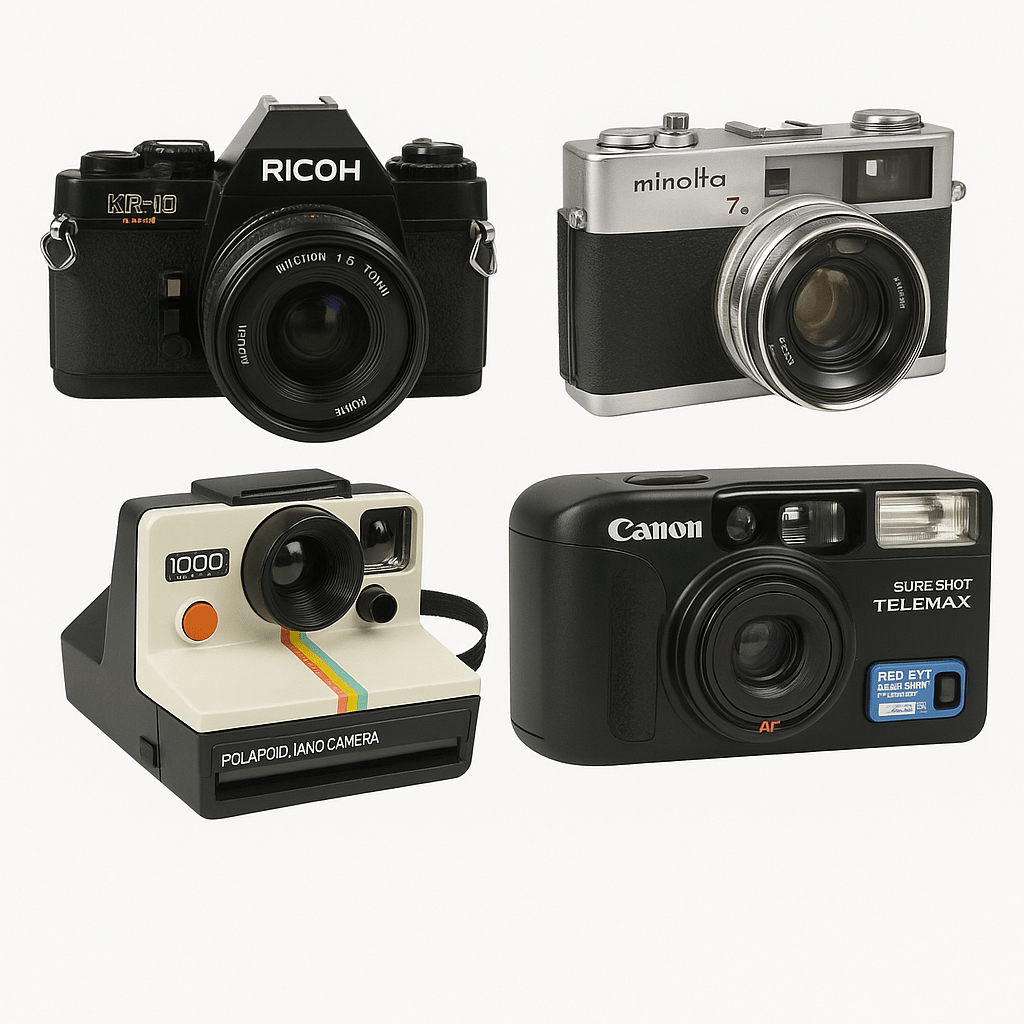
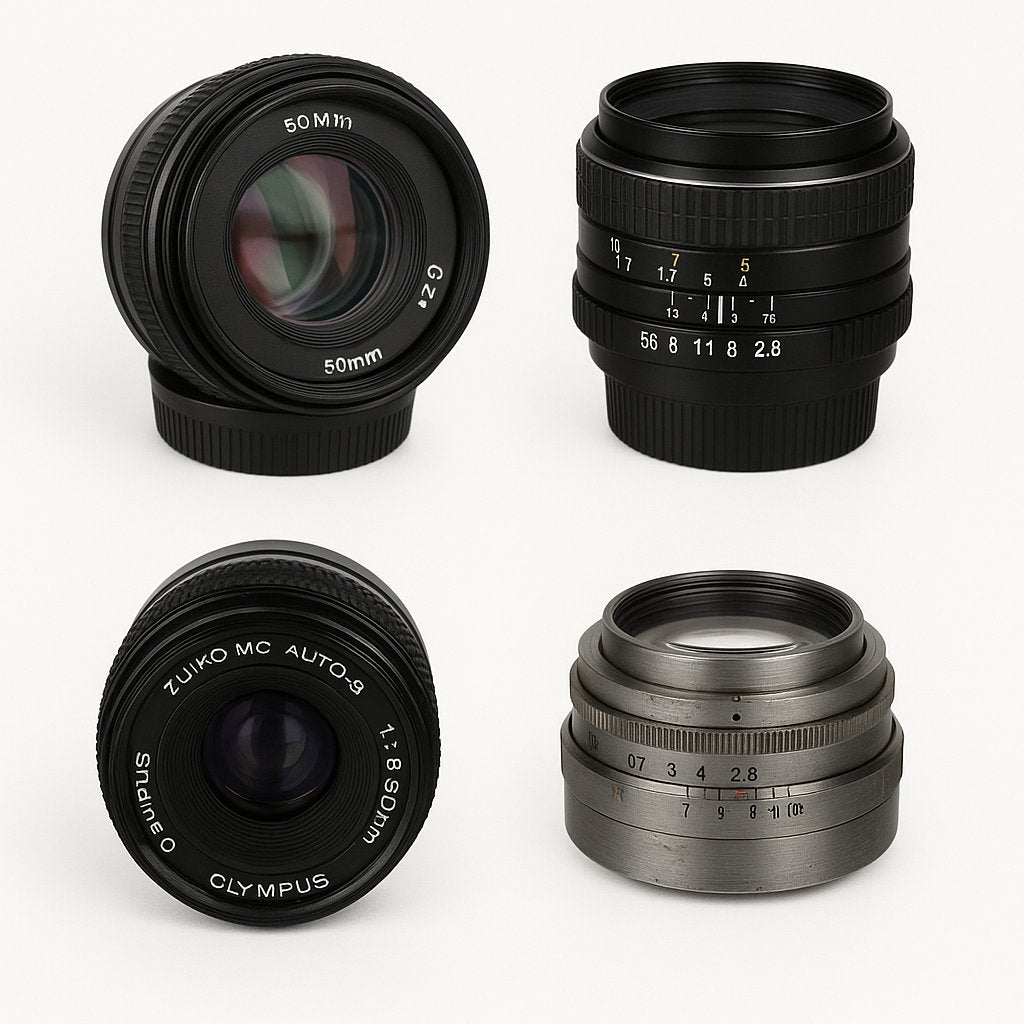
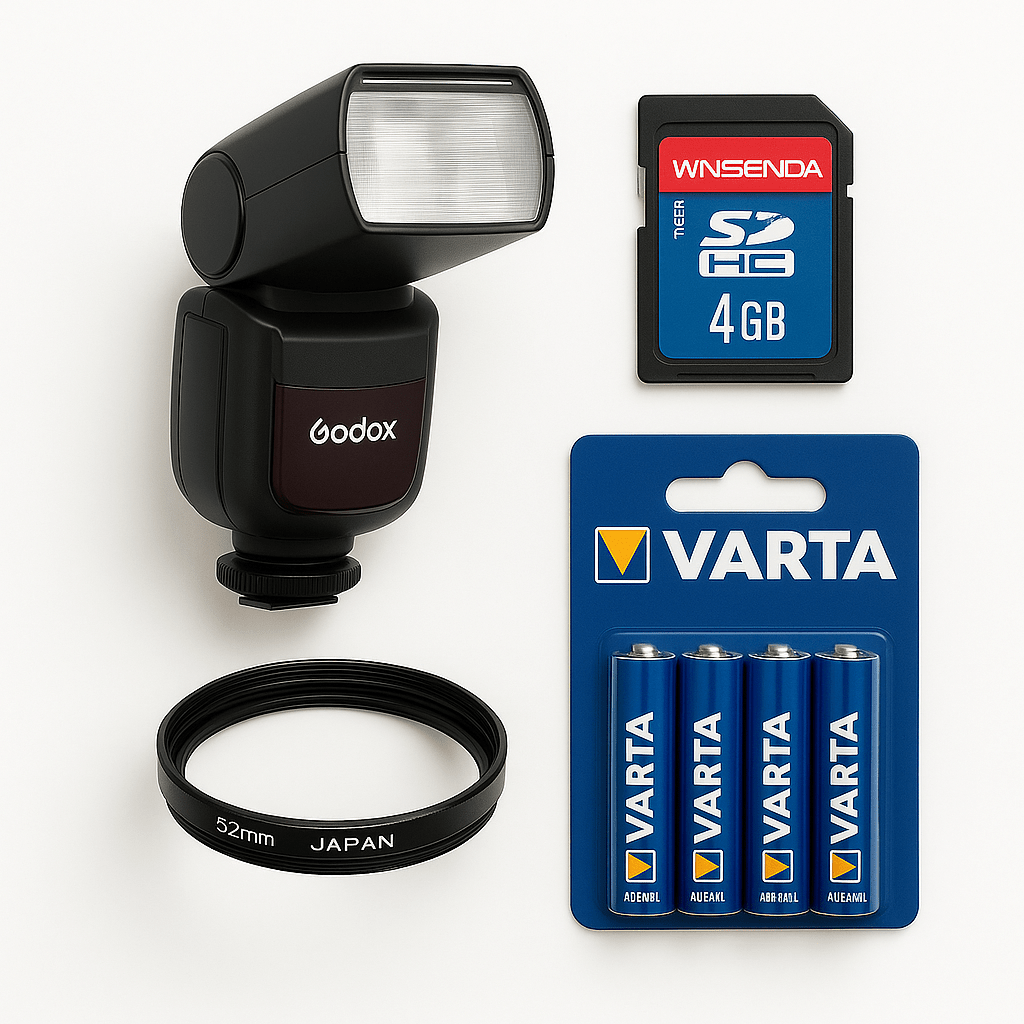
One of the joys of the F-mount is system depth. Beyond the 28mm, you can add other vintage camera lenses to build a compact kit: a 50mm for general use, or a 105mm for portraits. Classic straps, light meters, and small bags from the world of photography accessories keep your setup practical and portable.
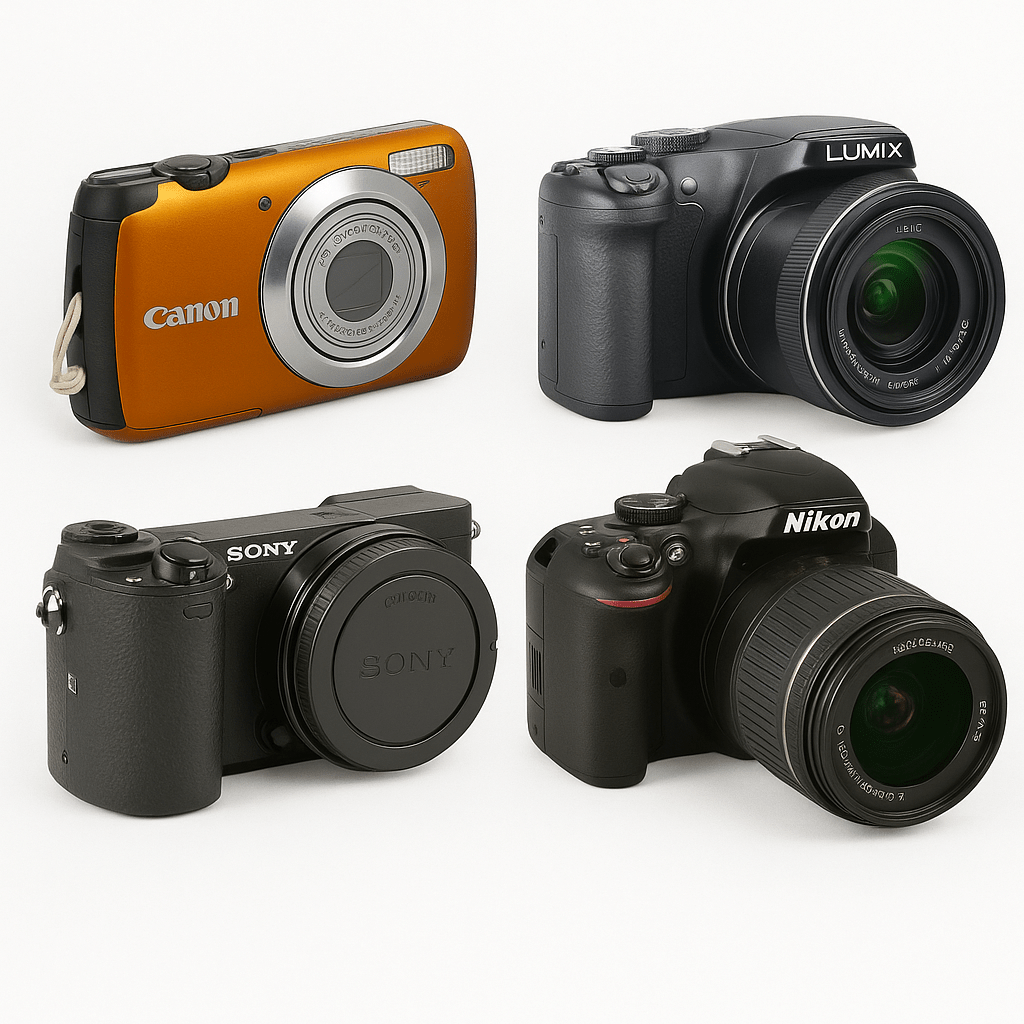
The 28mm f/3.5 Nikkor itself can also live a second life on mirrorless bodies via an adapter. On APS-C cameras, it behaves like a roughly 42mm equivalent — a near “normal” field of view that is ideal for everyday shooting, all while retaining that vintage rendering many digital photographers seek.
Conclusion: Mechanical Purity That Still Teaches
The Nikon F2 paired with the 28mm f/3.5 Nikkor is more than an old camera and lens. It is a disciplined teacher, a reliable travel companion, and a piece of photographic history that still fits naturally into modern workflows. For photographers ready to slow down, think in frames instead of bursts, and embrace the craft of exposure and focus, this kit remains an inspiring choice.
Exploring second-hand gear is also a sustainable way to expand your toolkit. By choosing a carefully curated Nikon F2 kit, you keep a legendary camera in circulation and gain a lifelong creative partner.
FAQs
Is the Nikon F2 still suitable for beginners? Yes. Its manual controls make it an excellent learning tool, teaching exposure, focus, and timing in a direct, tangible way that builds confidence and discipline with film.
What should I look for when buying a second-hand Nikon F2? Focus on shutter operation, especially slower speeds, inspect light seals, and check for any service history. For the 28mm lens, ensure the focus ring moves smoothly and that the aperture blades are clean and free of oil or haze.
Can the 28mm f/3.5 Nikkor lens be used on modern cameras? Yes. With the right F-mount adapters, it works on many mirrorless systems like Nikon Z and Sony E. On APS-C sensors, it offers a natural ~42mm equivalent field of view, making it very versatile.
What film types work best with the Nikon F2? For color, Kodak Portra 400 and Cinestill 800T provide flexible tonal range and beautiful texture. For black and white, Ilford HP5+ is a forgiving, characterful stock that suits a wide range of subjects and lighting conditions.
Ready to explore more film bodies and vintage glass? Browse our curated selection of analog cameras, carefully inspected camera lenses, and everyday photography accessories to build a sustainable, characterful kit that grows with your creativity.