


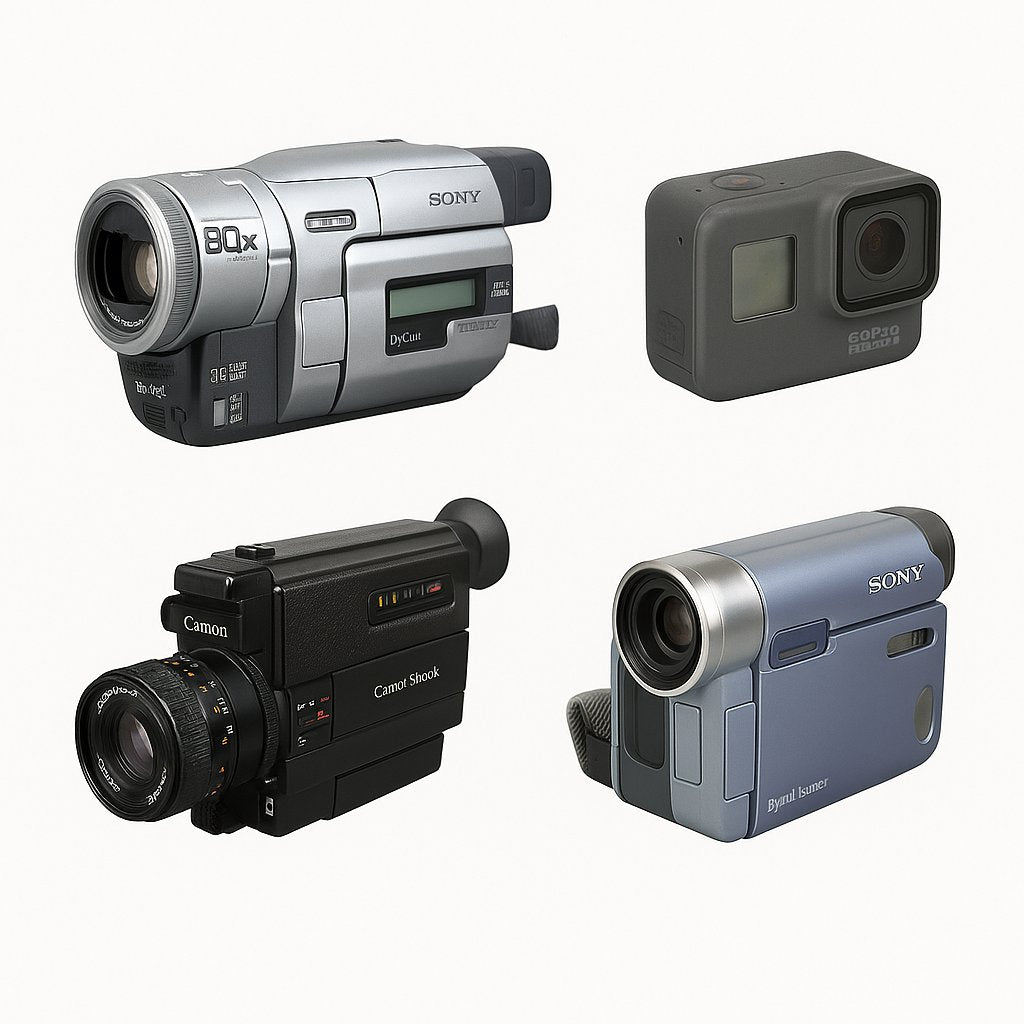

A Quick Introduction to the Kodak Instamatic 100
The Kodak Instamatic 100 is one of those rare cameras that genuinely changed how people photographed their lives. Introduced in the 1960s as a pocketable, affordable point and shoot, it put film photography into millions of hands that had never touched a camera before.
Today, in 2025, the Instamatic 100 is experiencing a quiet revival among film lovers, design fans, and anyone drawn to tactile, imperfect images. It is not fast, sharp, or high resolution—and that is exactly the point.
I still remember the first moment I saw a print from my vintage Instamatic 100: the soft grain, slight blur at the edges, and warm, faded colors. It felt less like a “perfect” photograph and more like a memory made visible.
Design and Features That Defined an Era
Simple, Iconic 1960s Styling
The Instamatic 100 is instantly recognizable: a compact rectangular body, metal and plastic construction, and a clear, straightforward control layout. It was designed to be as simple as “aim and click,” turning everyday moments into snapshots without technical fuss.

The 126 Cartridge Innovation
The camera uses 126 film cartridges, a clever cassette system that made loading nearly foolproof. You dropped the cartridge in, closed the back, advanced the film—and you were ready. This ease of use paved the way for how we think of point and shoot cameras today.
Fixed Everything: Lens, Focus, and Exposure
The Instamatic 100 offers a fixed lens, fixed focus, and very limited exposure control. There is no focusing ring, no shutter speed dial, no aperture to adjust. The camera was calibrated for typical daylight snapshots, with an optional flash cube socket for indoor or low-light photos.
Using the Instamatic 100 in 2025
Film Options: Working Around Discontinued 126
Original 126 cartridges are no longer manufactured, but that does not mean the Instamatic 100 is a shelf queen. Enthusiasts reload original cartridges with 35mm film, buy repurposed cartridges, or use 3D-printed 126-style cassettes. ISO 200 or 400 color or black-and-white film pairs well with the camera’s simple exposure system.

Step-by-Step Checklist Before Shooting
- ☐ Gather a 126 cartridge (original, reloaded, or 3D-printed).
- ☐ Load with ISO 200 or 400 35mm film.
- ☐ Check shutter and film advance before use.
- ☐ Shoot in daylight or use LED-adapted flash cubes.
- ☐ Scan or digitize negatives after developing.
Embracing the Shooting Experience
Composing through the bright frame viewfinder, advancing the lever with a satisfying click, and knowing you have a limited number of frames encourages patience. You will not “spray and pray” with this camera—you will wait for the right moment.
What to Look for When Buying Second-Hand
Essential Functional Checks
Because the Instamatic 100 is decades old, condition matters. Before committing to a copy, make the following checks:
- ☐ Verify that the lens is clean, with no haze or fungus.
- ☐ Ensure the viewfinder is clear.
- ☐ Test shutter actuation and film advance lever.
- ☐ Check for light-tight integrity and no cracks in the cartridge retainer.
- ☐ Remove old batteries after each project.
Also inspect the battery chamber for corrosion if you plan to use flash cubes with adapted LED solutions.
If you are exploring other analog cameras, compare how intuitive the Instamatic 100 feels in hand—it should invite you to shoot without overthinking.
Why Photographers Still Love the Instamatic 100
The Charm of Imperfection
Modern digital cameras aim for clinical perfection. The Instamatic 100 offers something very different: soft corners, mild vignetting, and unpredictable exposure shifts. These “flaws” add mood, nostalgia, and character, often turning simple scenes into evocative, memory-like images.
A Tool for Learning Composition
With no focus or exposure settings to worry about, you can concentrate on framing and timing. This makes the Instamatic 100 surprisingly powerful for beginners and experienced photographers wanting to retrain their eye.
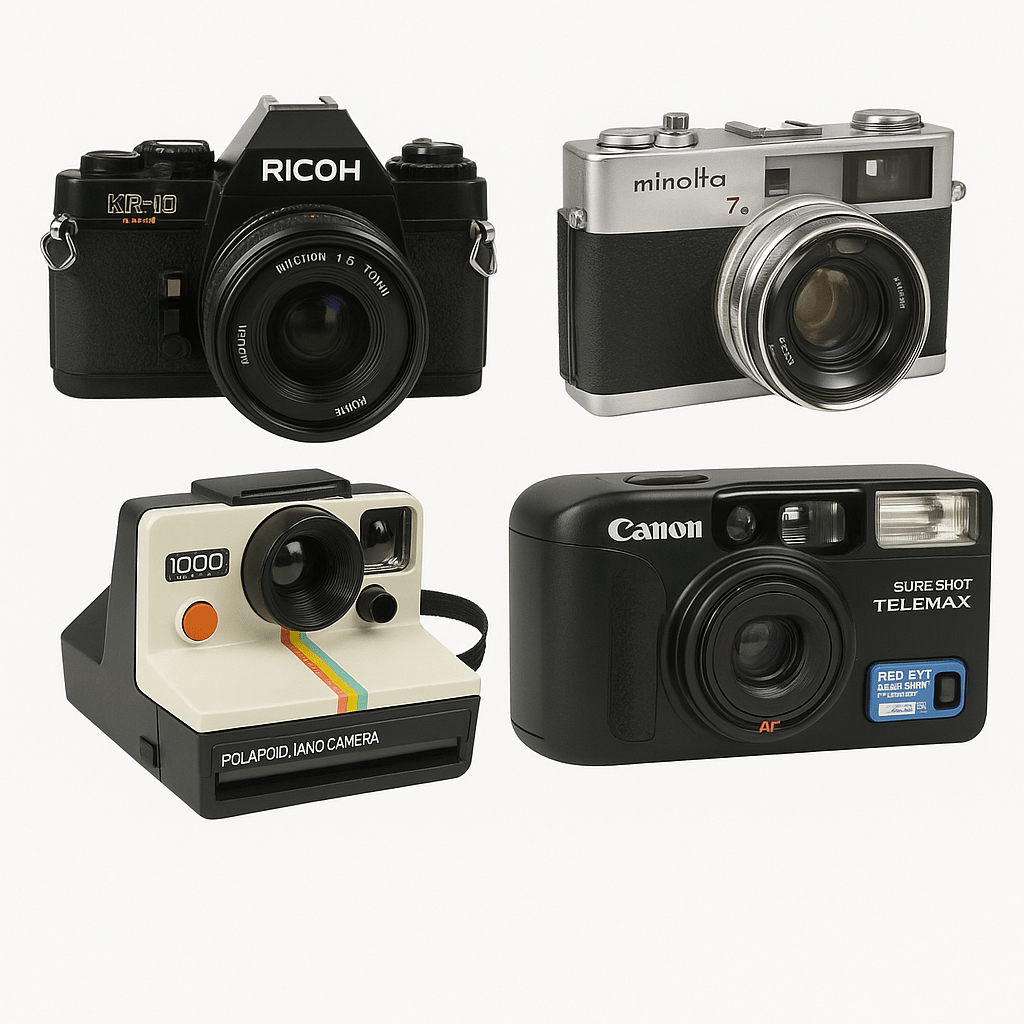
Many photographers pair the Instamatic 100 with other simple point and shoot options to build a compact, creative analog kit.
Care and Maintenance Tips for Longevity
Basic Cleaning and Storage
Keeping a vintage Instamatic 100 running is mostly about gentle care. Wipe the exterior with a soft, dry cloth. Use a blower to remove dust from the lens and viewfinder, and never apply harsh cleaners. Store the camera in a cool, dry place away from direct sunlight to protect plastics and light seals.
Protecting the Mechanics
Avoid forcing the film advance lever; if it resists, stop and investigate. Do not leave film inside the camera for years, and always remove old batteries after a project to reduce the risk of leakage.
Simple cases, straps, and other photography accessories can extend the life of your camera and make it more enjoyable to carry on walks or travels.
Conclusion: Keeping Analog Magic Alive
The Kodak Instamatic 100 stands as a small but meaningful piece of photographic history. In an age of instant previews and endless storage, it invites you to slow down, accept imperfections, and rediscover the joy of surprise when your images finally come back from the lab.
Whether you are a collector, a film newcomer, or an experienced photographer seeking a fresh creative spark, this humble point and shoot still has plenty to offer in 2025—and beyond.
FAQs
Can I still find film for the Kodak Instamatic 100? Yes. While fresh 126 cartridges are no longer made, you can reload old cartridges with 35mm film or purchase refurbished and 3D-printed cartridges from vintage film and maker communities.
Is the Kodak Instamatic 100 difficult to use for beginners? No. It is a fully fixed point and shoot camera with no focusing or exposure controls, making it ideal for beginners who want to learn composition and embrace film unpredictability.
What issues should I check before buying a second-hand Instamatic 100? Inspect the camera for a clean, responsive shutter, an intact film advance mechanism, and a corrosion-free battery chamber, along with clear optics and a solid cartridge holder.
What kind of photos can I expect from this camera? Expect soft, vignetted frames with classic 1960s color and contrast—more atmospheric than technically perfect—well suited to artistic, nostalgic, and documentary-style projects.
Ready to explore more characterful gear? Browse our curated analog cameras, compact point and shoot options, and essential photography accessories to build your own sustainable film setup.