



Introduction: The Nikon AF F-801s at a Glance
The Nikon AF F-801s, sold in the USA as the N8008s, is a 35mm autofocus SLR from Nikon. It suits anyone browsing our SLR film cameras who wants a body that focuses by itself, winds the film by itself and still takes classic Nikkor lenses on its F-mount.
The manual presents it as an advanced SLR with a fast metal shutter, matrix metering with centre-weighted and spot options, and focus tracking for moving subjects.

Autofocus film cameras from this period sit in an interesting spot. They offer the convenience we expect from modern cameras, yet every frame still costs real film, so each press of the shutter button tends to be a more considered one.
Design Roots and Historical Background
The F-801 family
According to camera-wiki, the Nikon F-801 was produced between 1988 and 1991 as a 35mm autofocus electronic SLR. In 1991 an updated version with better focusing and spot metering became available as the F-801S, or N8008S in the USA. That later version is the camera this guide is about.
Several specs below come from sources that describe the F-801 family as a whole, and we say so each time.
Autofocus meets the Nikon F-mount
The F-801 family uses a TTL phase detection autofocus system, the Nikon Advanced AM200 module. In manual focus mode, an electronic rangefinder works with an AF Nikkor or another AI-type Nikkor lens with a maximum aperture of f/5.6 or faster, so you still get focus confirmation when you turn the ring yourself.

Key Technical Highlights
Shutter and metering
The manual highlights a metal shutter with a top speed of 1/8000 second. For the F-801 family, camera-wiki lists speeds from 30 seconds to 1/8000 plus B, with automatic or manual speed setting. Metering offers three methods: matrix, centre-weighted and spot, which is a flexible set for backlit scenes and portraits alike.
The family offers programmed auto, shutter priority, aperture priority and manual exposure. Exposure compensation reaches +/- 5 EV in 1/3 EV steps, which gives you plenty of room to correct the meter.
Autofocus and film handling
The manual mentions focus tracking for moving subjects. Film transport uses a built-in motor, which camera-wiki lists at 3.3 frames per second on high and 2.0 on low for the F-801 family. Film speed is set by DX code or by manual override across a 6–6400 ASA range.
- 35mm film, with Nikon F-mount lens fitting.
- Metal body, listed at 695 g without lens for the F-801 family.
- Matrix, centre-weighted and spot metering.
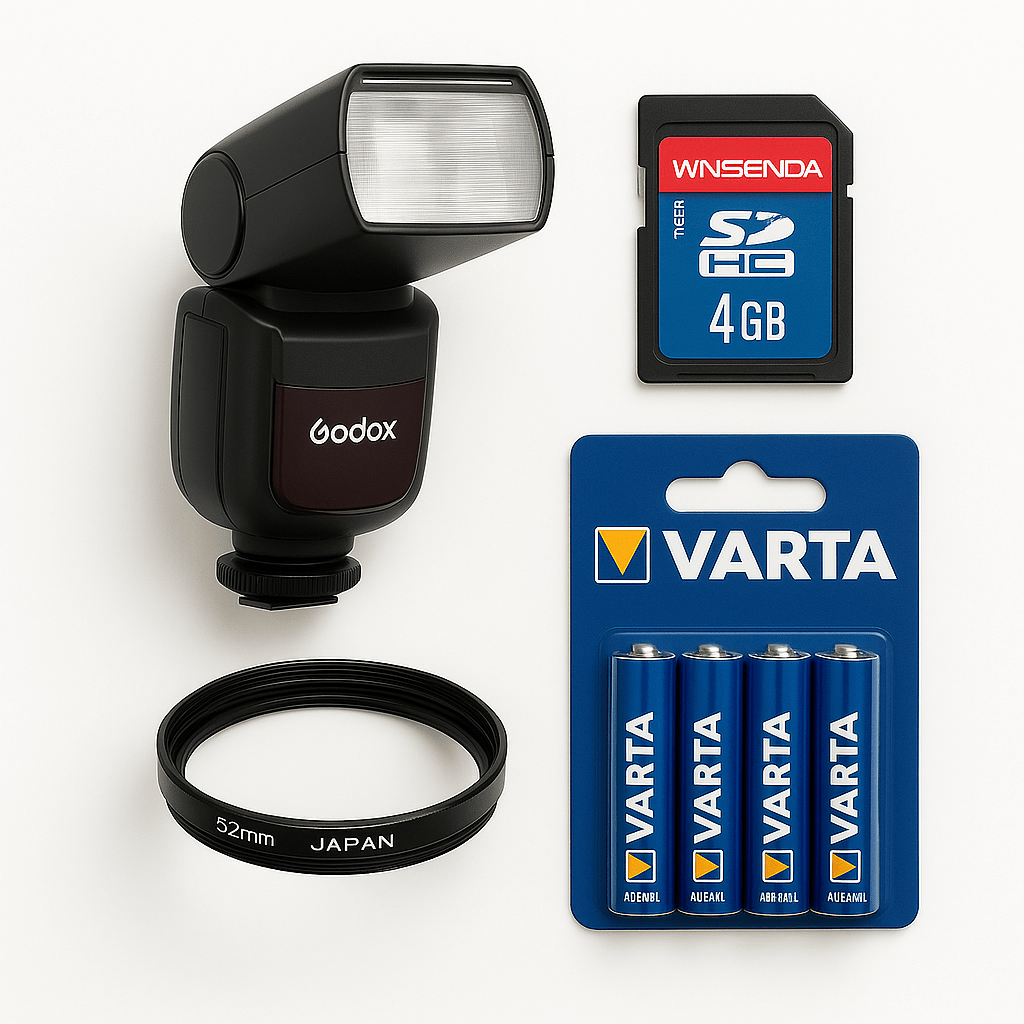
- Four AA batteries in a slide-out holder.
- Dedicated flash unit: the Nikon Speedlight SB-24.
Modern-Day Use in 2026
Where the F-801s excels
In 2026 this camera is a practical choice for people who want to shoot film without giving up autofocus. You can leave it in program mode for everyday pictures, then switch to aperture priority or manual when you want control. Spot metering helps with high-contrast scenes.
Use it for:
- Travel and street photography with a single Nikkor lens.
- Family events where subjects move around.
- Portraits and backlit scenes with spot metering.
- Learning how exposure modes affect your film photos.
Practical shooting tips
- Use the high-speed motor drive for moving subjects, and the low speed when you want to save film.
- Use exposure compensation when you shoot snow, beaches or a dark stage.
- Let the DX code set the film speed, and override it by hand for pushed or pulled film.
- Keep a spare set of AA batteries in your bag.
Buying and Maintenance Guide
What to check before buying used
A camera of this age needs a careful look. Work through this checklist:
- Look at the light seals around the film door and mirror area for stickiness or crumbling foam.
- Fire the shutter at several speeds and listen for an even, crisp sound.
- Check that autofocus and the viewfinder display respond when you attach a lens.
- Confirm that the film advances and rewinds smoothly.
- Inspect the body for dents, loose parts or signs of heavy wear.
Hold the camera up to the light and look through the lens mount for haze, dust or fungus on the mirror and viewfinder glass.
Power and batteries
The manual tells you to install four AA batteries in the battery holder, matching the plus and minus marks. AA cells are easy to buy almost anywhere, which keeps the camera practical for travel.
- Fit fresh AA batteries and check that the camera powers up and the displays work.
- Look inside the battery holder for corrosion or white residue.
- Remove the batteries if you store the camera for a longer period.
Basic care and accessories
A few simple photography accessories will keep the camera in good shape:
- A padded camera bag or case to protect the body.
- A blower and microfiber cloth for lens and viewfinder cleaning.
- A body cap and rear lens cap when no lens is attached.
- A strap you trust for the metal body.
What to pay
On European marketplaces such as eBay, working examples are typically listed around €70–€105.
Conclusion: A Practical Way Into Autofocus Film
The Nikon AF F-801s combines a fast metal shutter, three metering methods, focus tracking and a built-in motor drive in one sturdy body. It uses the Nikon F-mount, so a wide world of Nikkor lenses is open to you.
If you want to shoot 35mm film with the comfort of autofocus, a carefully checked F-801s deserves a place on your shortlist. Take your time with the inspection and use the manual.
FAQs
What film does the Nikon AF F-801s use? It is a 35mm film SLR. Film speed is set by DX code or manually, and camera-wiki lists a 6–6400 ASA range for the F-801 family.
What batteries does the Nikon AF F-801s use? According to the manual, it takes four AA batteries, installed in a slide-out battery holder.
Does the Nikon AF F-801s have spot metering? Yes. The manual lists matrix metering with centre-weighted and spot metering.
Where can I find the Nikon AF F-801s manual? The original instruction manual is available as a free PDF download on this page, under the first photo.
Ready to explore cameras like the Nikon AF F-801s? Browse our analog cameras, see more SLR film cameras and discover the full Nikon range at DutchThrift.com. For a related body, read our Nikon F-801 buying guide.
Sources: the original Nikon AF F-801s instruction manual; Nikon F-801 (N8008) on camera-wiki.org, text licensed under GFDL 1.3; price range based on current eBay listings in Europe.